Why Are There Brown Spots on My Rebutia perplexa Leaves?
Rebutia pulvinosa subsp. perplexa
By the Greg Editorial Team
Mar 07, 2024•4 min read
This article was created with the help of AI so we can cover more plants for you. May contain errors. See one? Report it here.
Banish brown spots 🍂 from your Rebutia perplexa and restore your cactus's vibrant health with expert tips!
- Sunburn, overwatering, fungi, pests cause brown spots on Rebutia perplexa.
- Adjust light and water to prevent and treat brown spots.
- Regular maintenance and inspections keep your plant spot-free.
Spotting the Culprits: Common Causes of Brown Spots
🌞 Too Much Sun, Too Little Shade
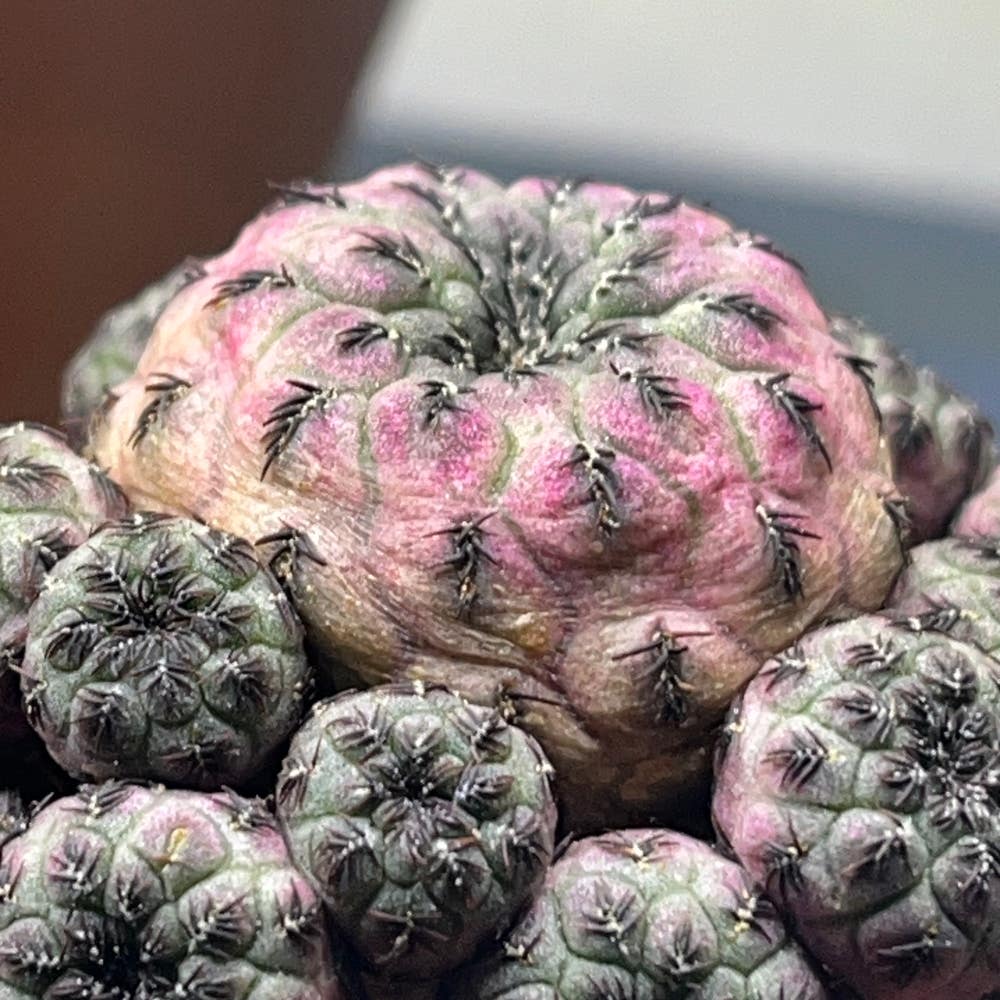
Brown spots from sunburn are like silent screams for less light. They're typically dry, crispy, and found on the most exposed parts of your Rebutia perplexa.
Adjusting light exposure is key. Move your plant to a spot with bright, indirect sunlight, or create some shade to protect it during the sun's peak hours.
💧 Water Woes: Overwatering and Fungal Foes
Overwatering leads to soft, dark brown spots, often on leaf undersides. It's a red flag for root rot and a beacon for pathogens.
For fungal infections, look for spots with a yellow halo or concentric rings. It's nature's way of saying, "I've got a problem here!"
🐜 Tiny Troublemakers: Pests and Their Telltale Marks
Pest-related spots are different. They're more like a morse code on your plant's leaves, signaling an infestation.
Common pests for Rebutia perplexa include spider mites and scale insects. Check for tiny webs or bumps on the plant as a sign of these uninvited guests.
Sherlock Holmes Mode: Diagnosing Your Plant's Brown Spots
🔍 Visual Inspection: What to Look For
When your Rebutia perplexa starts sporting brown spots, it's time to channel your inner detective. Visual inspection is your first move. Check for spots with distinct edges or a yellowish halo, as these are classic signs of trouble. Spots can be dry or water-soaked, and their location—whether on the tips or at the base of the leaves—can offer clues about the cause.
🌿 Environmental Check-Up
Next, give your plant's environment the once-over. Lighting should be just right—not too much sun to scorch, not too little to weaken defenses. Feel the soil; if it's soggy, you might be overwatering, while dryness suggests thirst. Airflow is crucial; stagnant air is a no-go zone, as it invites fungal gate-crashers. And humidity? High levels can turn your plant's habitat into a fungal rave. Keep it balanced to avoid those unwanted spotty guests.
First Aid for Foliage: Treating Brown Spots
🏥 Adjusting Care for Recovery
When brown spots invade your Rebutia perplexa, it's time for some plant first aid.
Light and Water: The Balancing Act
Too much sun can turn your cactus into a crispy critter. Move it to a spot with indirect light and watch those spots fade. Overwatering is just as guilty; let the soil dry out before giving it another drink.
🌿 Natural and Chemical Remedies
Sometimes, nature needs a nudge. If pests or fungi are party-crashing, it's time to break out the big guns.
🐜 Evicting Pests
Identify your unwanted guests—be it aphids or spider mites. A blast of water, insecticidal soap, or neem oil can send them packing. Persistency is key; keep at it until your cactus is critter-free.
💊 Fungicide to the Rescue
Choose a fungicide that's safe for succulents. Apply as directed, covering all affected areas. Remember, fungi are like bad roommates; don't let them overstay their welcome.
Prevention is Better Than Cure: Keeping Brown Spots at Bay
🌱 Proactive Plant Parenting
Regular maintenance is the cornerstone of plant health. Inspect leaves frequently for early signs of distress. Ensure your Rebutia perplexa isn't harboring any pests by checking under leaves and near the soil. Prune away any suspicious foliage promptly, and always sterilize your tools afterward to prevent spreading any potential pathogens.
🏡 Creating the Ideal Home Environment
Light and watering practices are pivotal for a thriving Rebutia perplexa. Position your plant where it receives bright, indirect sunlight to avoid sunburn. Water only when the soil is dry to the touch, and ensure the pot has adequate drainage to prevent root rot. Maintain stable temperature and humidity levels to mimic the cactus's natural habitat. Lastly, quarantine new plants to shield your Rebutia perplexa from possible invaders. With these measures, your plant will stand strong against brown spots.
⚠️ Safety First
This content is for general information and may contain errors, omissions, or outdated details. It is not medical, veterinary advice, or an endorsement of therapeutic claims.
Always consult a qualified healthcare professional before using any plant as food, medicine, or supplement.
Never eat any plant (or feed one to pets) without confirming its identity with at least two trusted sources.
If you suspect poisoning, call Poison Control (800) 222-1222, the Pet Poison Helpline (800) 213-6680, or your local emergency service immediately.
Spotted an error? Please report it here.
Keep your Rebutia perplexa spot-free 🌞 with Greg's custom care plans that tackle overwatering and sunburn, so you can enjoy a healthy, thriving cactus.