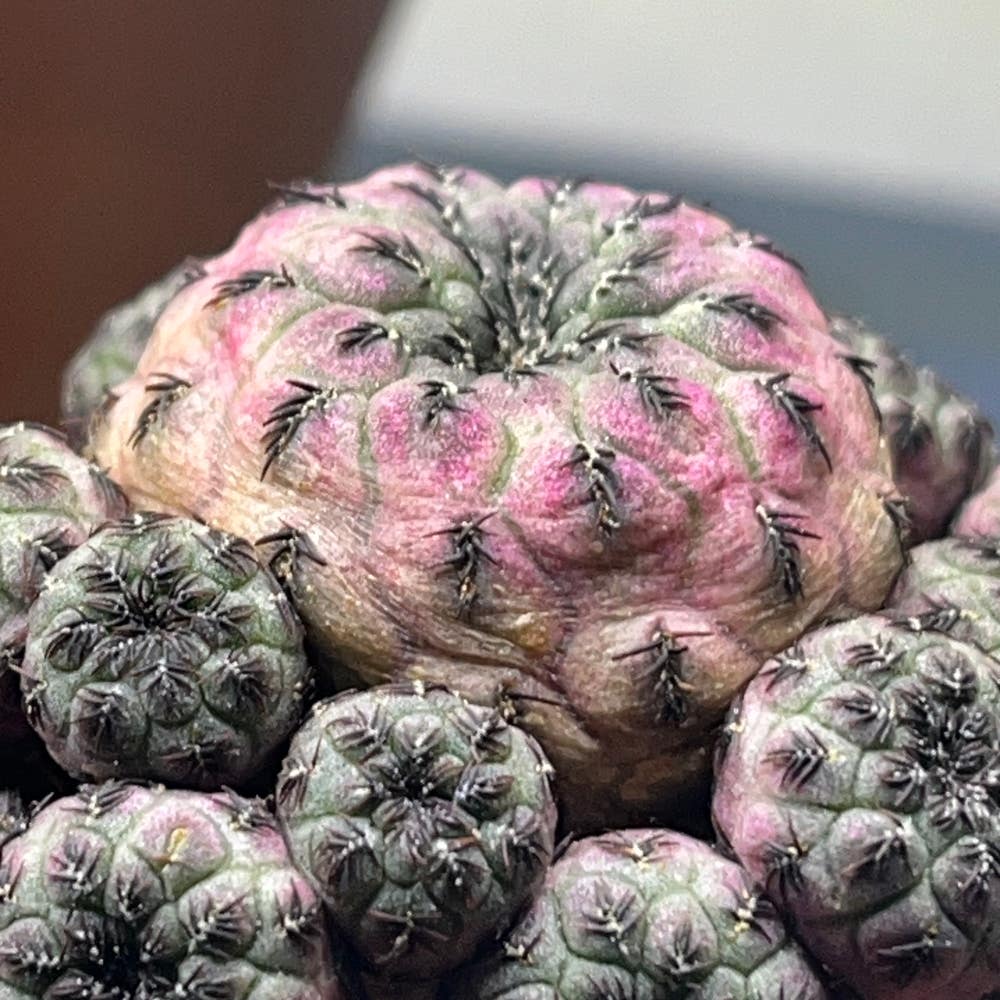
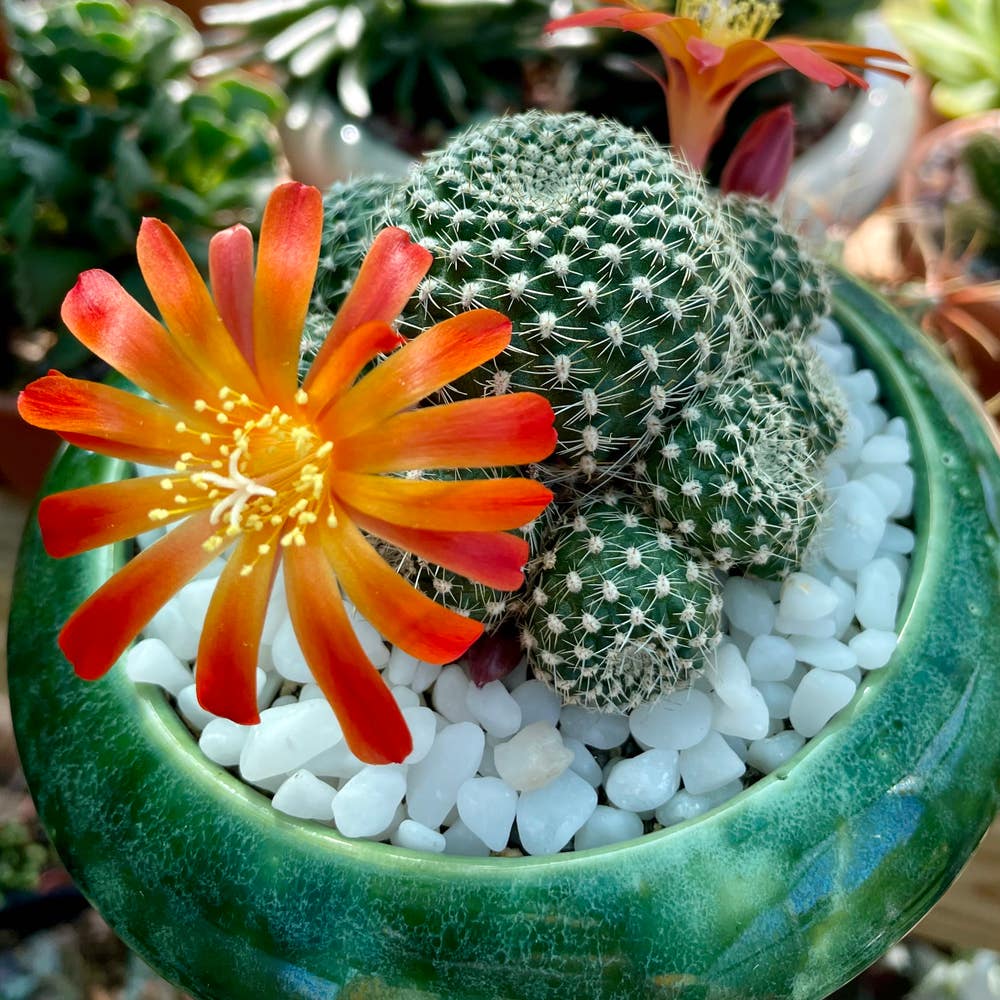
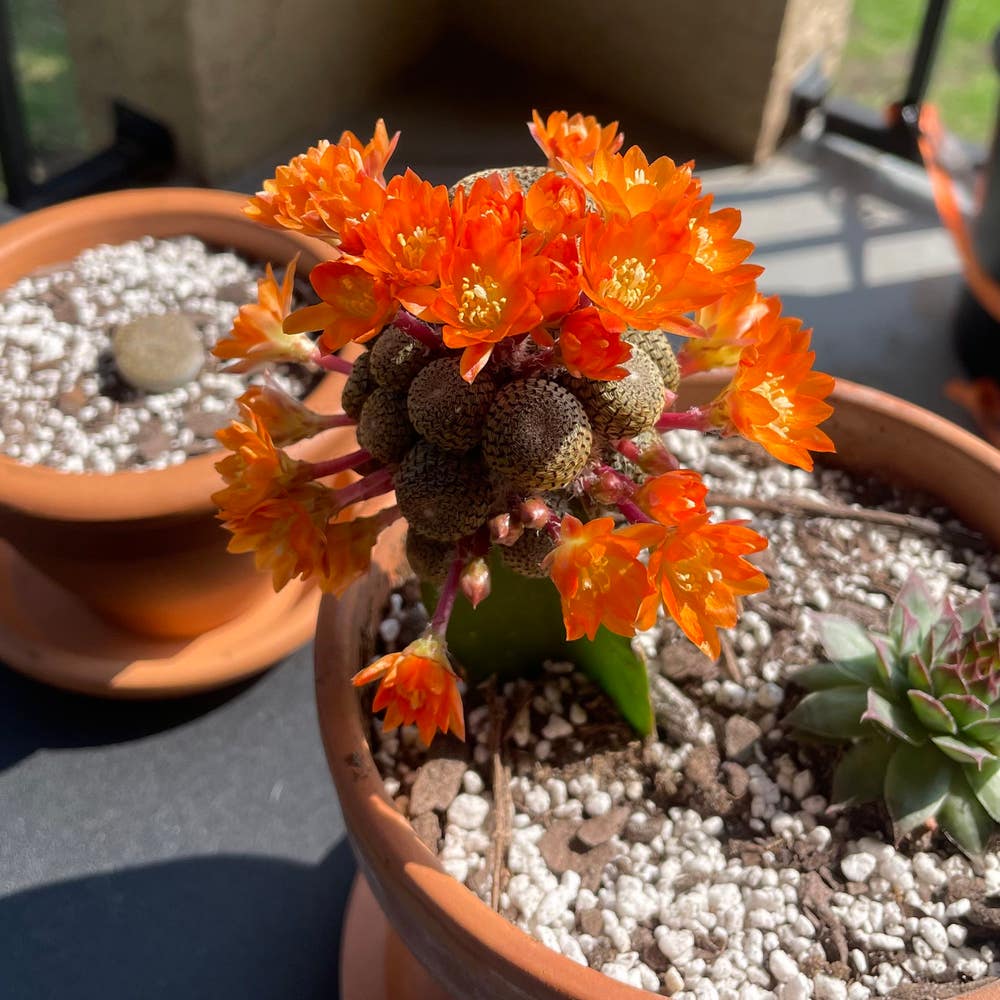
Why Are There Black Spots on My Rebutia perplexa Leaves?
Rebutia pulvinosa subsp. perplexa
By the Greg Editorial Team
Mar 07, 2024•3 min read
This article was created with the help of AI so we can cover more plants for you. May contain errors. See one? Report it here.
Eradicate black spots on your Rebutia perplexa for a thriving 🌵, spot-free succulent garden!
- Overwatering and fungi cause black spots; adjust water and use fungicides.
- Sunburn and pests also lead to spots; assess light and inspect for critters.
- Prevent spots with dry soil, indirect light, and regular plant check-ups.
Spotting the Culprits: Identifying Causes of Black Spots
💦 Overwatering Woes
Soggy soil is a telltale sign of overwatering, often leading to black spots on Rebutia perplexa. To check for overwatering, feel the soil; if it's consistently wet, it's time to adjust your watering habits.
🍄 Fungal Foes
Fungal infections like Cercospora and Anthracnose leave behind distinctive black lesions. Differentiate these from other diseases by looking for patterns such as concentric rings or clusters of spots.
🌞 Sunburn Scars
Sunburn spots can be identified by their crispy texture and location on the sun-facing side of the plant. Assess your plant's light exposure to ensure it's not getting too much direct sunlight.
🐜 Pest Problems
Pests can cause black spotting, distinct from fungal or sunburn issues. Check for the presence of tiny critters to confirm a pest infestation and differentiate it from other causes of black spots.
First Aid for Your Rebutia: Treating Black Spots
💧 Drying Out: Watering Adjustments
If your Rebutia perplexa is overwatered, take action immediately. First, stop watering and let the soil dry out completely. Check the roots for rot and prune away any damaged parts. If necessary, repot with fresh, dry soil and ensure your pot has adequate drainage.
🍄 Fungus Among Us: Battling Infections
When fungi attack, it's time for a counterstrike. Select a fungicide labeled safe for succulents and apply it according to the instructions—no guesswork. For a natural approach, consider a diluted milk spray, which some plant enthusiasts advocate for its antifungal properties.
☀️ Light Relief: Protecting from Sunburn
Sunburn spots won't reverse, but you can prevent future damage. Move your Rebutia to a location with bright, indirect light. This adjustment allows the plant to heal and encourages spot-free new growth.
🐜 Pest Patrol: Eradicating Unwanted Guests
Pests can be persistent, but you're more so. Use a pyrethrum-based spray or an alcohol solution to evict these troublemakers. Regularly inspect your plant for early signs of infestation to nip any future pest parties in the bud.
Keeping Spots at Bay: Prevention Tactics
💧 Perfecting the Watering Technique
Check the soil's moisture before watering—think of it as a plant's thirst meter. Overwatering is a no-no; it's the fast track to fungal town.
🌿 Creating a Healthy Environment
Air circulation is like your plant's personal space—it needs it to breathe and stay dry. Humidity should be Goldilocks-style: not too high, not too low, but just right.
🌞 Sunlight Strategy
Sunlight is your plant's best friend, but like all friendships, it needs boundaries. Find that sweet spot where the rays are bright but not scorching.
🕵️ Regular Plant Check-Ups
Inspect your Rebutia perplexa like it's a precious gem, looking for early signs of trouble. Cleanliness around your plant is as crucial as in your kitchen—tidy up those fallen leaves.
Perfecting the Watering Technique
- Water only when the top inch of soil feels dry.
- Avoid getting the leaves wet; it's not a shower, it's a drink for the roots.
Creating a Healthy Environment
- Space out your plants to prevent a fungal block party.
- Clean tools and remove debris regularly—it's basic hygiene for plant health.
Sunlight Strategy
- Rotate your plant for even exposure and to prevent weak, vulnerable areas.
- Adjust the distance from light sources as seasons change.
Regular Plant Check-Ups
- Quarantine new plants to prevent any "bad influence" from spreading.
- Temperature and humidity checks are as routine as brushing your teeth—do it regularly.
⚠️ Safety First
This content is for general information and may contain errors, omissions, or outdated details. It is not medical, veterinary advice, or an endorsement of therapeutic claims.
Always consult a qualified healthcare professional before using any plant as food, medicine, or supplement.
Never eat any plant (or feed one to pets) without confirming its identity with at least two trusted sources.
If you suspect poisoning, call Poison Control (800) 222-1222, the Pet Poison Helpline (800) 213-6680, or your local emergency service immediately.
Spotted an error? Please report it here.
Keep your Rebutia perplexa spot-free 🌵 with Greg's custom watering reminders, helping you prevent overwatering and maintain perfect plant health!