🌵 How Do I Propagate My Rebutia perplexa?
Rebutia pulvinosa subsp. perplexa
By the Greg Editorial Team
Mar 07, 2024•5 min read
This article was created with the help of AI so we can cover more plants for you. May contain errors. See one? Report it here.
Propagate your Rebutia perplexa 🌵 and revel in the growth journey from tiny offset to robust cactus!
- 🌵 Offsets need maturity: Wait for their own roots before replanting.
- 🌱 Seed germination: Warm, moist environment and pre-germination steps boost success.
- ✂️ Stem cuttings: Use sterilized tools and rooting mediums like perlite.
Getting Started with Offsets
👶 Identifying and Harvesting Offsets
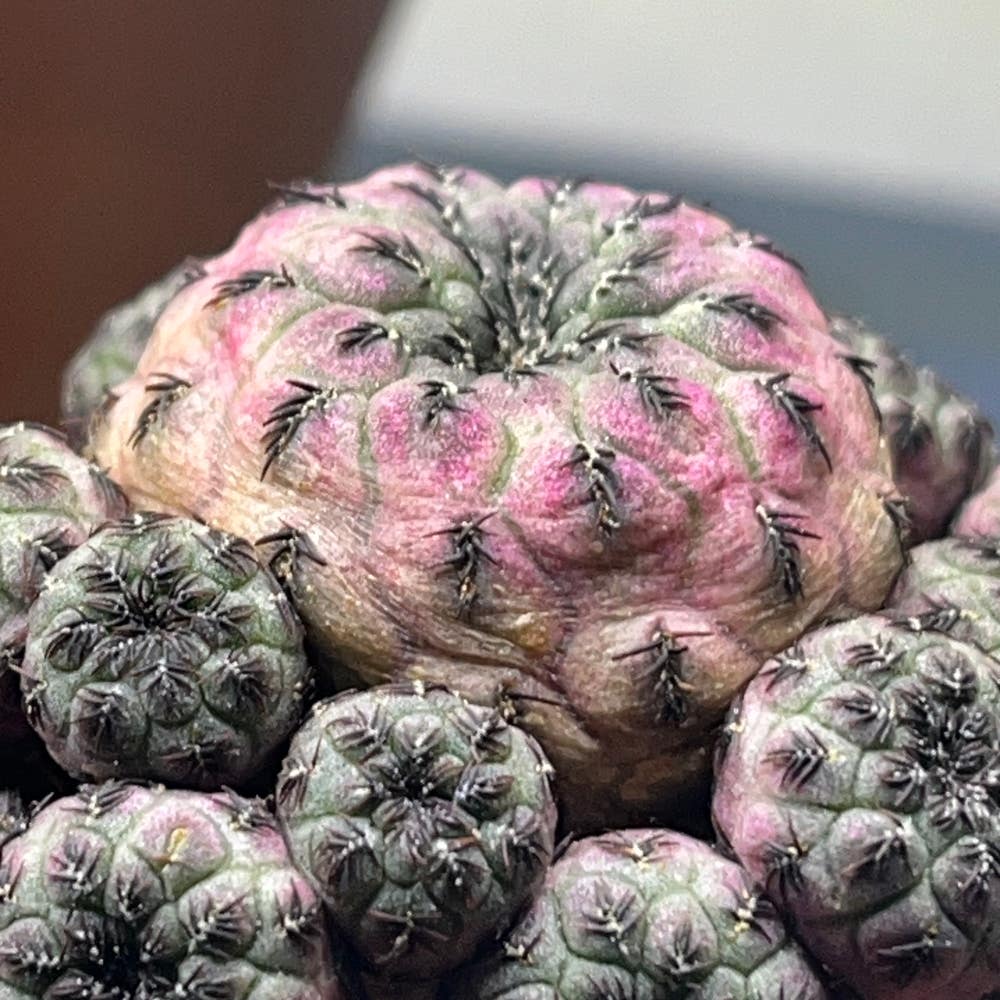
Offsets are your Rebutia perplexa's gift of abundance, popping up like eager understudies around the mother plant. Timing is everything; wait for these mini-mes to mature with a good heft and their own roots before you consider them ready for the big move.
To separate, think precision: sterilize your cutting tool to prevent infection. Gently twist or use a clean slice to detach the offset, ensuring a clean break. It's a surgical move, so channel your inner doctor, not your inner gardener.
🌱 Planting Offsets
When it comes to soil, drainage is king. Mix a well-draining concoction—potting soil, coarse sand, and perlite are your allies here. Choose a pot that's cozy but not cramped, with drainage holes to avoid soggy disasters.
Plant your offset shallowly, allowing it to sit with dignity without being buried alive. Water sparingly; overhydration is the enemy. Place your potted protégé in a bright spot, safe from the scorching afternoon sun to prevent sunburn. Watch for signs of growth or distress in the first few days—it's the plant equivalent of a wellness check.
Sowing the Seeds of Success
🌵 Seed Collection and Preparation
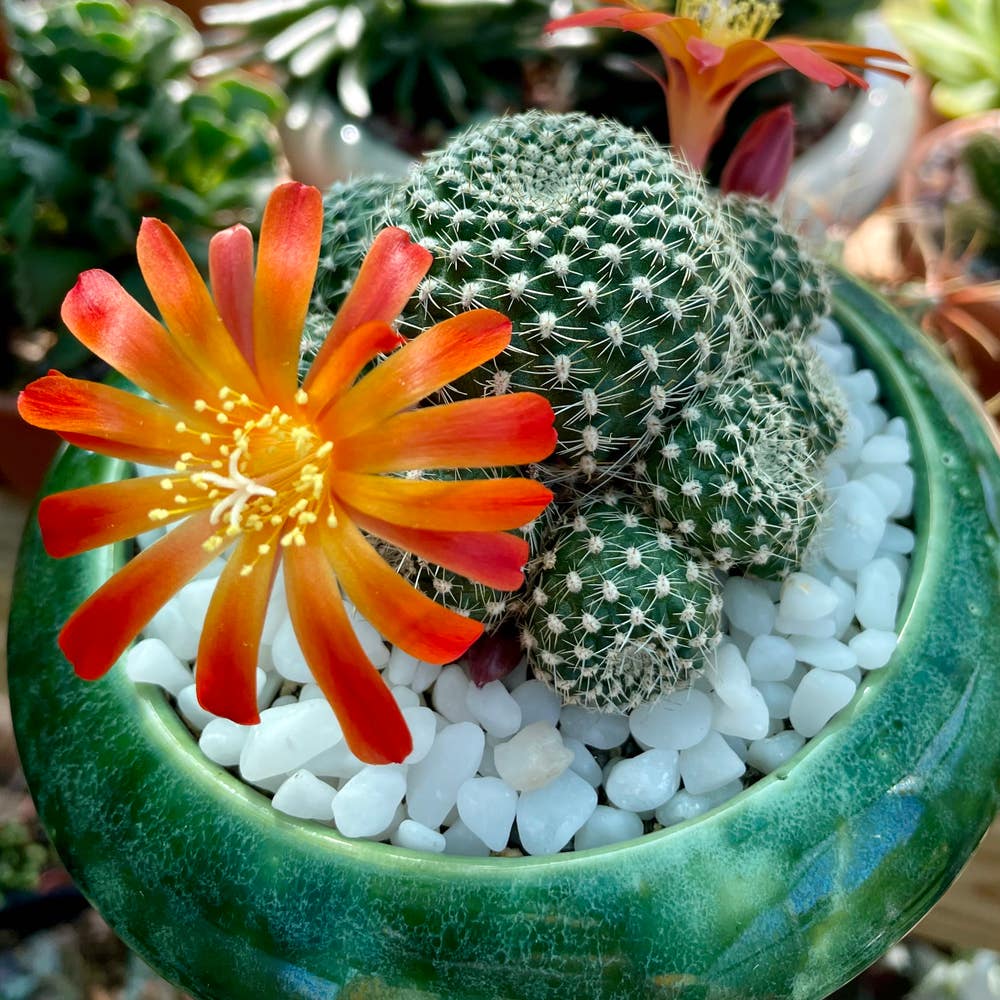
Harvesting seeds from your Rebutia perplexa is like hitting the jackpot in the cactus world. Wait for the flowers to fade, then collect those precious seeds with the finesse of a skilled surgeon. Cleanliness is crucial; make sure the seeds are free from any plant pulp to prevent fungal foes.
Pre-germination is your secret weapon for boosting those success rates. Think of it as a pre-game pep talk for your seeds. Give them a soak if they're playing hard to get; some seeds need a little moisture to break out of their shell.
🌱 Germination and Early Care
Creating the perfect germination environment is like setting up a backstage area for a rockstar. You want it warm, around 70°F to 80°F, and just the right amount of moist—think of a well-wrung sponge, not a swamp.
Sow your seeds on top of a sterilized, well-draining soil mix. No burying needed; these seeds are sun worshippers and need light to kickstart their growth. Cover them with a dome of humidity, like a mini greenhouse, to keep the atmosphere just right.
The germination timeline is a lesson in patience. It could take anywhere from 1 to 3 weeks, and even then, it's a slow dance to see those tiny green shoots. Keep them indoors, away from the harsh sun, and resist the urge to poke them. They're doing their thing, just give them time.
The Art of Stem Cuttings
🌱 Choosing and Cutting the Perfect Stem
In the quest for propagation, selecting a robust stem is your opening move. Healthy, pest-free, and showing no signs of disease, the stem should be the picture of cactus vitality.
When it's time to cut, think precision. Sharp, sterilized shears or a knife are your tools of choice to avoid infection and encourage swift healing. Aim for a cutting that includes a node, as this is where new roots will enthusiastically emerge.
🌿 Rooting Your Future Rebutia
Rooting mediums are the unsung heroes of propagation. Choose between perlite, vermiculite, or a sand and soil mix for that perfect balance of moisture and aeration.
Rooting hormone? It's the boost your cutting craves, not essential but highly recommended. Once the cutting is callused and dipped, plant it in the medium and shift your game to patience. Signs of successful rooting include new growth and a resistance when gently tugged.
Aftercare: Ensuring Propagation Success
💡 The Right Conditions for New Plants
Creating the ideal environment for your young Rebutia perplexa is like setting the stage for a rockstar—everything needs to be just right. Bright, indirect light will make your cactus feel like it's basking in the limelight without getting scorched. Aim for consistent temperatures, avoiding the drama of sudden chills or heat waves that could send your plant into shock.
Watering wisdom is crucial here; think of it as the art of hydration. Your goal is moist soil, not a swamp. Overwatering is the fast track to root rot, while underwatering will leave your plant parched and pitiful. Strike a balance and watch your cactus start to strut its stuff.
🌱 Growth Milestones and Expectations
In the weeks and months following propagation, growth may seem as slow as a Sunday morning. But don't fret—patience is your best friend here. Celebrate the small victories: a new spine here, a hint of a root there. These are the signs that your Rebutia perplexa is on the up and up.
Expect a growth spurt as your plant settles into its new digs. This isn't just about getting bigger; it's about growing stronger. You'll know you're on the right track when you see firm roots and robust growth. Remember, it's not a race—it's a journey, and every milestone is worth a mini celebration.
⚠️ Safety First
This content is for general information and may contain errors, omissions, or outdated details. It is not medical, veterinary advice, or an endorsement of therapeutic claims.
Always consult a qualified healthcare professional before using any plant as food, medicine, or supplement.
Never eat any plant (or feed one to pets) without confirming its identity with at least two trusted sources.
If you suspect poisoning, call Poison Control (800) 222-1222, the Pet Poison Helpline (800) 213-6680, or your local emergency service immediately.
Spotted an error? Please report it here.
Celebrate each propagation milestone 🌱 with Greg's tailored reminders for the perfect environment and watering schedule, ensuring your Rebutia perplexa thrives from offsets to robust growth.