Rebutia perplexa Fertilizer: How and When to Use It
Rebutia pulvinosa subsp. perplexa
By the Greg Editorial Team
Mar 07, 2024•4 min read
This article was created with the help of AI so we can cover more plants for you. May contain errors. See one? Report it here.
Nurture a blooming spectacle 🌸 with the perfect fertilizer regimen for your Rebutia perplexa!
- High phosphorus fertilizers enhance Rebutia perplexa's blooms.
- Liquid vs. granular: Quick uptake or slow release? Choose wisely.
- Spot over-fertilization by yellow leaves and crusty soil; act fast to fix.
Picking the Perfect Fertilizer for Your Rebutia Perplexa
💐 High Phosphorus: The Flower Fuel
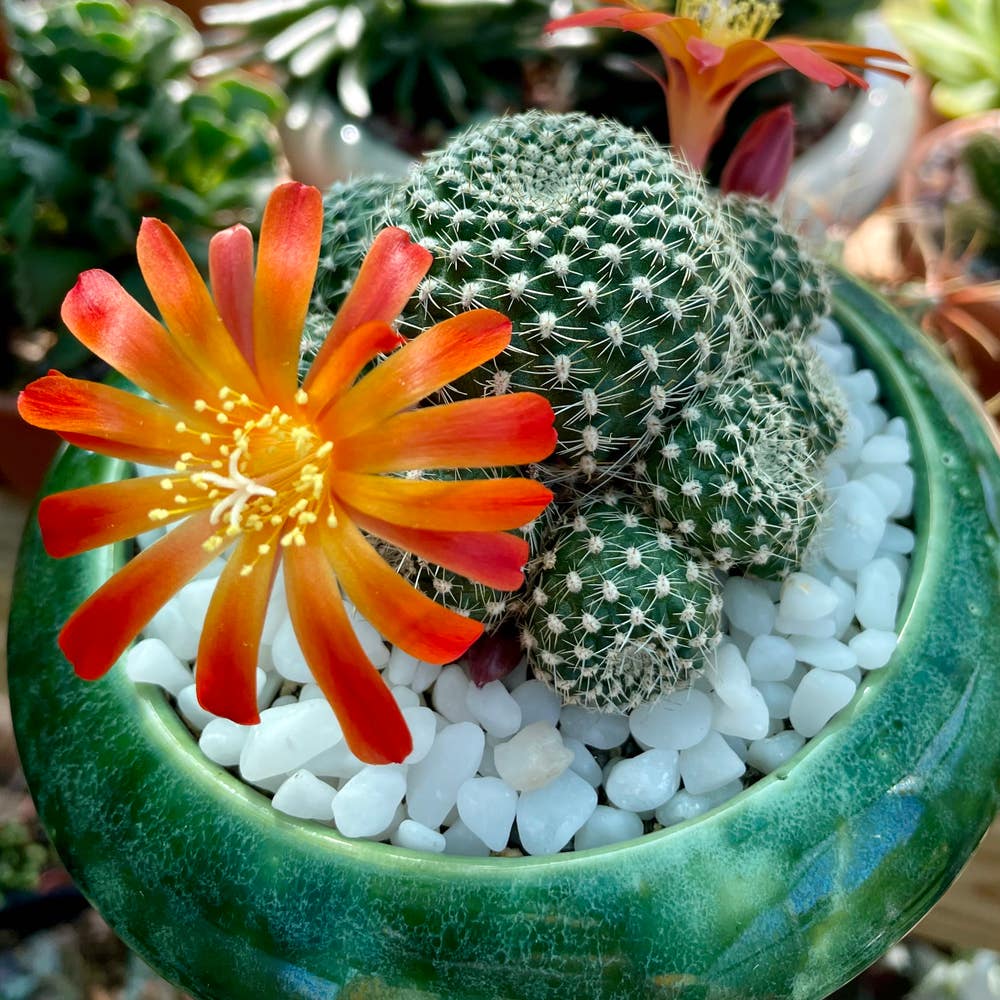
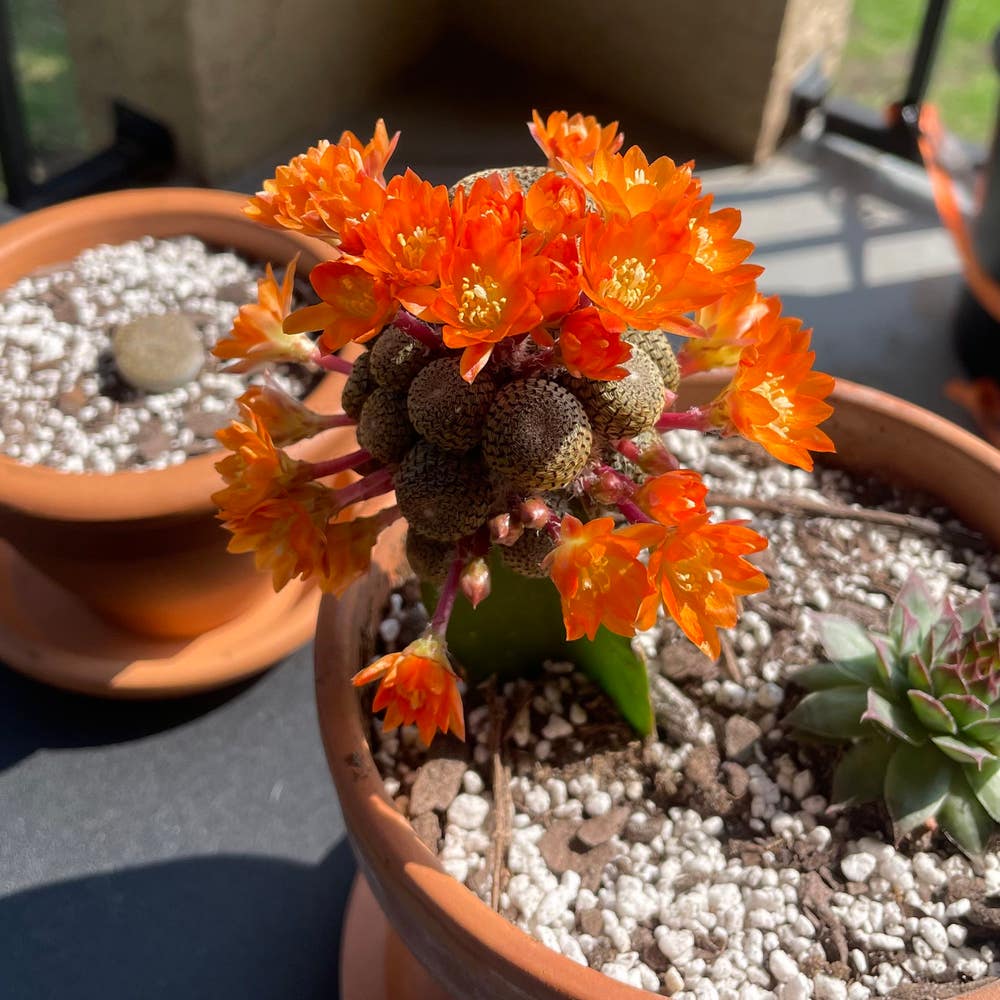
For Rebutia perplexa, phosphorus is the VIP nutrient. It's like a backstage pass for blooms, nudging your cactus to put on a floral show. Opt for a fertilizer with a higher phosphorus ratio to encourage those vibrant flowers.
🥤 Liquid vs. Granular: Which is Best for Your Cactus?
Liquid fertilizers offer a quick drink for thirsty roots, while granular types are the slow burners, releasing nutrients over time. Liquid is the go-to for a swift nutrient uptake, but if you're playing the long game, granular might be your ally.
🌱 Organic Options: Are They Worth It?
Organic fertilizers are the unsung heroes of the nutrient world. They release nutrients slowly, improving soil texture along the way. They're not just food; they're a soil conditioner, too. So yes, they're worth a look if you're into the whole long-term relationship with your soil.
Timing is Everything: When to Fertilize for Optimal Blooms
🌱 Spring into Action: Starting the Fertilization Cycle
Spring marks the kick-off for your Rebutia perplexa's growth spurt. As the days lengthen, it's time to wake up your cactus with its first dose of fertilizer. This initial boost is crucial for setting the stage for robust growth and forthcoming blooms. Begin fertilizing as new growth appears, typically in early spring.
☀️ Summer Loving: Keeping the Nutrients Coming
Throughout summer, your Rebutia perplexa is in its prime, soaking up the sun and growing actively. Maintain a consistent fertilization schedule, providing nutrients every two to four weeks. This steady supply is like a steady rhythm for your cactus, keeping it thriving and prepping for those spectacular blooms.
🍂 Fall Farewell: Winding Down Before Rest
As the days shorten and temperatures drop, your Rebutia perplexa's growth will slow. It's time to ease up on the feeding, giving it just enough to sustain health without overloading it with unused nutrients. About 8 weeks before the expected first frost, taper off the fertilizer to help your cactus settle into its winter rest period gracefully.
The Fertilizing Formula: How to Apply Without Overdoing It
💧 Dilution Solutions: Getting the Strength Just Right
Dilution is not just a suggestion; it's a commandment for cactus care. Half-strength is your mantra when mixing liquid fertilizer. Ignore the label at your peril; it's the difference between a nourished plant and a chemical burn victim. For granular types, think of it as a sprinkle, not a pour—then water immediately to release those nutrients.
🌱 Root Zone Rituals: Where and How to Apply
Apply your well-diluted fertilizer to the root zone, avoiding the plant's body like it's a no-touch zone. In containers, restraint is key—overcrowding with nutrients is as bad as not feeding at all. For those in the ground, circle the base, but keep your distance from the stem. It's a ritual, not a rain dance; precision matters.
⏰ Frequency Factors: How Often to Treat Your Cactus
Timing is as crucial as the application—think of it as a rhythm your cactus dances to. Generally, during the growing season, a monthly treat will suffice. But watch your plant, not the calendar. Signs of overindulgence? Pull back. It's like finding the sweet spot in a good playlist—regular beats without overplaying the tune.
Spotting Trouble: Recognizing Over-Fertilization in Rebutia Perplexa
🚩 Telltale Signs: What Your Plant is Trying to Say
Yellowing leaves or a crusty layer of salt on the soil? Your Rebutia perplexa is screaming "I'm stuffed!" Over-fertilization symptoms are like silent alarms, and they're pretty straightforward. Brown leaf tips and stunted growth are your cactus crying out for a break. If you notice a sudden halt in progress or leaves resembling overripe fruit, it's time to reassess your fertilizing strategy.
🛠 Quick Fixes: How to Salvage an Over-Fed Rebutia
Got an overzealous hand with the fertilizer? First, remove any visible fertilizer from the soil surface. Next, flush the soil with water to dilute the excess nutrients—think of it as a detox for your plant. If the roots are burning up, consider repotting with fresh, nutrient-free soil. Trim away any damaged foliage to prevent further stress. And remember, patience is key; give your Rebutia some time to bounce back before you even think about fertilizing again.
⚠️ Safety First
This content is for general information and may contain errors, omissions, or outdated details. It is not medical, veterinary advice, or an endorsement of therapeutic claims.
Always consult a qualified healthcare professional before using any plant as food, medicine, or supplement.
Never eat any plant (or feed one to pets) without confirming its identity with at least two trusted sources.
If you suspect poisoning, call Poison Control (800) 222-1222, the Pet Poison Helpline (800) 213-6680, or your local emergency service immediately.
Spotted an error? Please report it here.
Nurture a stunning bloom on your Rebutia perplexa by following a fertilization schedule 📅 with Greg's personalized reminders, ensuring your cactus gets just the right nutrients when it needs them.