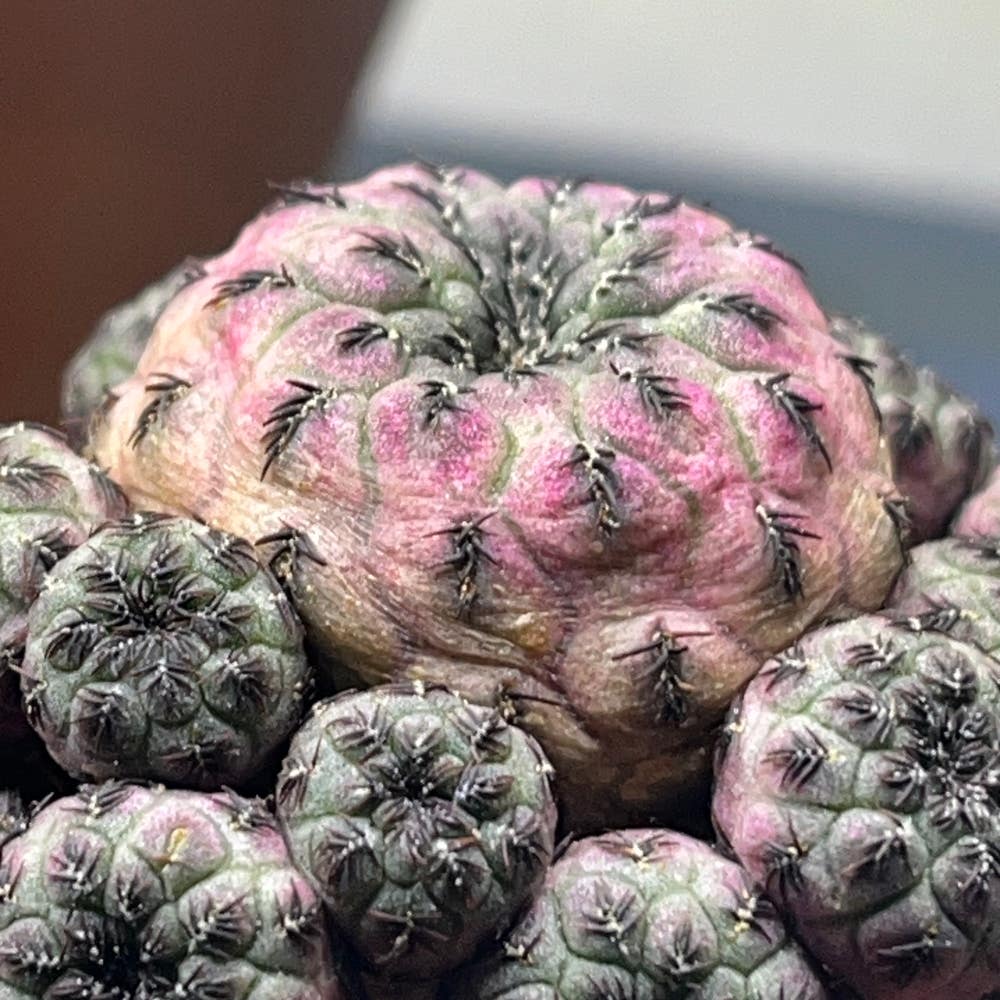
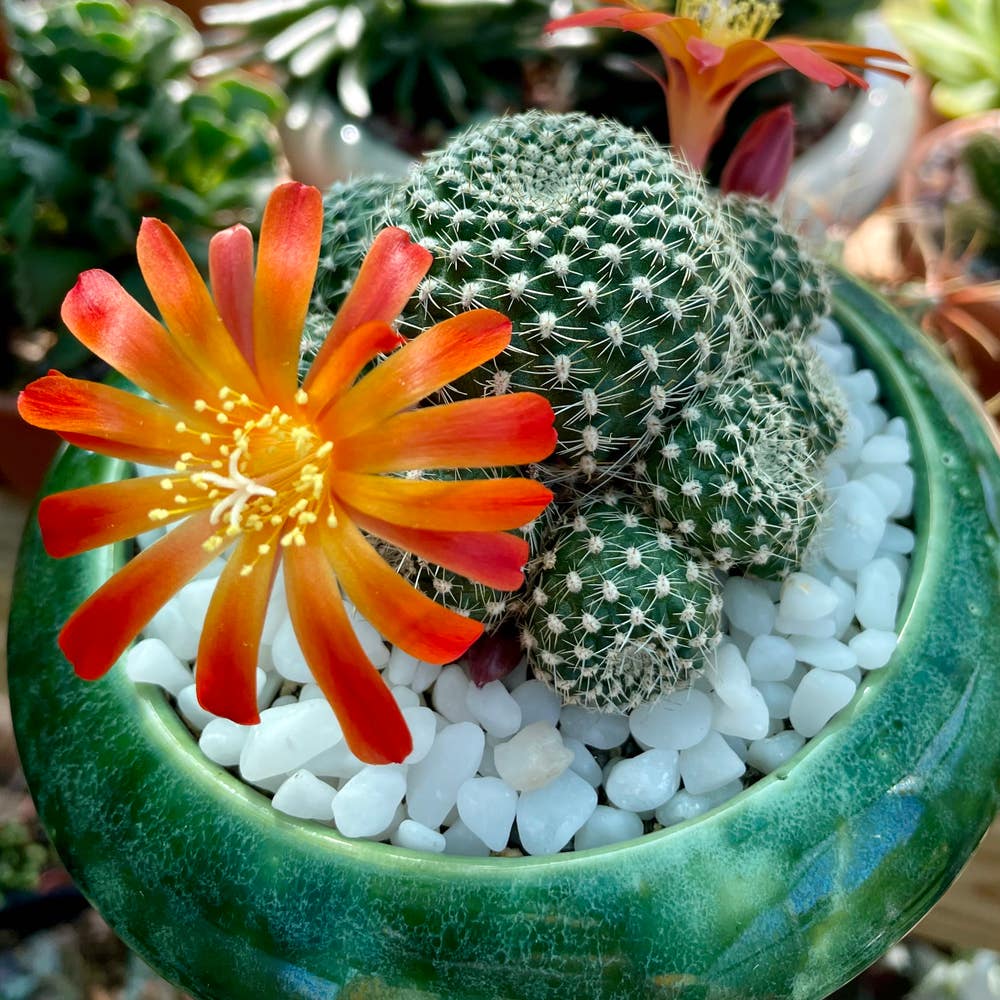
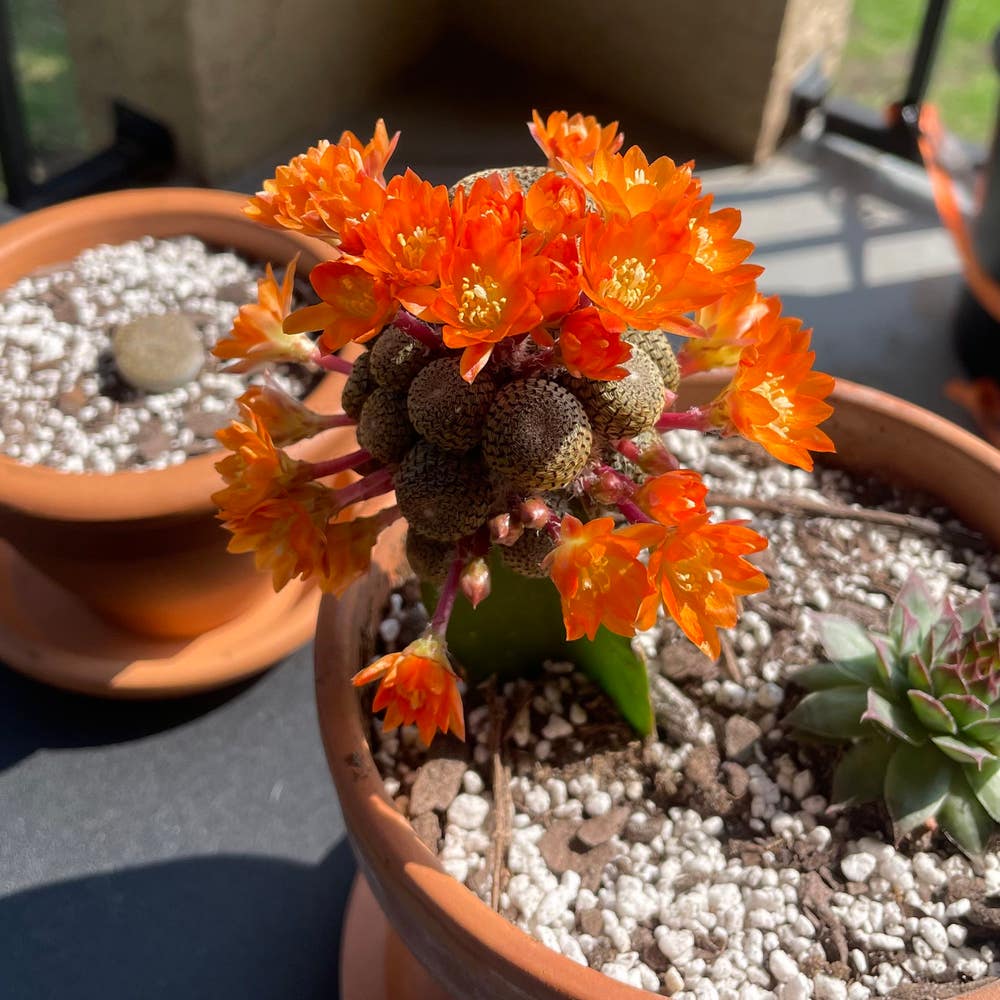
🌵 Ultimate Guide to Rebutia perplexa
Rebutia pulvinosa subsp. perplexa
By the Greg Editorial Team
Jan 10, 2025•12 min read
This article was created with the help of AI so we can cover more plants for you. May contain errors. See one? Report it here.
Elevate your indoor garden with the stunning Rebutia perplexa, a low-maintenance cactus that thrives effortlessly! 🌵
- 🌞 Rebutia perplexa needs 6-8 hours of sunlight daily for optimal growth.
- 💧 Water only when soil is dry to prevent root rot and ensure health.
- 🌱 Low maintenance and air-purifying, perfect for busy gardeners and pet owners.
How to Grow
🌞 Choosing the Right Location
When growing Rebutia perplexa, consider whether you want to keep it indoors or outdoors. This cactus thrives in full sun, requiring 6-8 hours of direct light daily, and prefers warm, stable temperatures.
🌱 Soil Preparation
For optimal growth, use a well-draining cactus mix. The soil's pH should be slightly acidic to neutral, ideally between 6.0 and 7.0, to support healthy root development.
🌿 Planting Techniques
Plant your Rebutia perplexa 1-2 inches deep to ensure stability. If you're propagating offsets, space them 6-12 inches apart to allow for growth and airflow.
💧 Watering Guidelines
Watering is crucial for your cactus's health. Allow the soil to dry out completely between waterings, and choose between bottom watering or top watering based on your preference.
🌼 Fertilizing Schedule
Use a balanced cactus fertilizer with an NPK ratio of 10-10-10. Apply it monthly during the growing season, which spans spring and summer, to promote vigorous growth.
✂️ Pruning and Ongoing Care
Regular maintenance includes removing dead flowers and offsets to keep your plant looking its best. Keep an eye out for signs of stress or disease, as early detection is key to maintaining a healthy cactus.
With these guidelines, you're well on your way to nurturing a thriving Rebutia perplexa. Next, let's explore how to propagate this beautiful cactus for even more greenery!
Propagation
🌱 Seed Propagation
To start growing Rebutia perplexa from seeds, soak them in water for 24 hours before planting. This simple step helps kickstart the germination process.
For optimal growth, maintain warm temperatures between 70-80°F (21-27°C) and ensure high humidity levels. These conditions create a cozy environment for your seeds to sprout.
🌿 Offsets Propagation
Offsets are a fantastic way to propagate your Rebutia perplexa. To separate them, gently twist and pull the offsets from the parent plant, taking care not to damage either plant.
Once separated, plant the offsets in well-draining soil. Water them lightly after planting to help them settle in without overwhelming them. This method is both effective and rewarding, allowing you to expand your collection with ease.
With these propagation techniques, you'll be well on your way to cultivating a thriving Rebutia perplexa garden. Next, let's explore the lifecycle of this fascinating cactus and what to expect as it grows.
Lifecycle
Growth Stages 🌱
The lifecycle of Rebutia perplexa is a fascinating journey that begins with germination. This stage marks the transition from seed or cutting to a thriving plant, progressing through several key phases: seedling, vegetative growth, flowering, and finally, seed production.
During the seedling stage, the plant develops its first true leaves, establishing a foundation for future growth. As it enters vegetative growth, you’ll notice an increase in size and vigor, with the plant reaching its full potential.
Lifespan and Growth Rate ⏳
Under optimal conditions, Rebutia perplexa can live for an impressive 10 to 20 years. This longevity is a testament to its resilience and adaptability.
In terms of growth rate, expect your cactus to grow approximately 1 to 2 inches per year. This steady pace allows for gradual development, making it a rewarding plant to nurture over time.
As you care for your Rebutia perplexa, keep an eye on these growth stages. Understanding its lifecycle will help you provide the best environment for your cactus to thrive.
Next, we’ll explore the mature dimensions of this captivating plant.
Size
Mature Dimensions 🌵
Rebutia perplexa is a compact beauty, typically reaching a mature height of 3 to 6 inches. Its spread can range from 6 to 12 inches, making it an ideal choice for small spaces or container gardening.
Time to Reach Full Size ⏳
Patience is key when growing this cactus. It generally takes about 3 to 5 years to reach its full size, depending on the care it receives.
Factors Affecting Growth Rate 📈
Several factors influence how quickly your Rebutia perplexa will thrive.
- Light: Adequate sunlight is crucial; aim for 6-8 hours of full sun daily.
- Water: Proper watering practices can significantly impact growth.
- Soil Quality: Well-draining soil is essential to prevent root issues and promote healthy growth.
By paying attention to these elements, you can ensure your cactus grows robustly and reaches its full potential.
As you nurture your Rebutia perplexa, keep in mind that its growth journey is a rewarding experience. Next, let’s explore the fascinating lifecycle of this resilient plant.
Roots
🌱 Root System Characteristics
Rebutia perplexa features a fibrous root system that is essential for its stability and nutrient absorption. This type of root structure allows the plant to efficiently gather water and nutrients from the soil.
📏 Typical Root Depth
The typical root depth for Rebutia perplexa ranges from 4 to 6 inches. This relatively shallow root system makes it crucial to provide adequate soil conditions to prevent issues.
⚠️ Common Root-Related Issues
Root rot and being rootbound are common problems that can affect Rebutia perplexa. Root rot often occurs due to overwatering, while being rootbound happens when the plant outgrows its pot.
👀 Visual Cues for Healthy vs Unhealthy Roots
Healthy roots are usually white or light tan and firm to the touch. In contrast, unhealthy roots may appear brown, mushy, or have a foul odor, indicating potential rot or other issues.
Understanding the root system of Rebutia perplexa is vital for successful cultivation. By monitoring root health, you can ensure your plant thrives and avoids common pitfalls.
Next, we will explore the benefits of growing this unique cactus, highlighting its aesthetic appeal and low maintenance requirements.
Benefits
Advantages of Growing Rebutia perplexa 🌵
Growing Rebutia perplexa offers a range of benefits that make it a fantastic choice for both novice and experienced plant enthusiasts. Its aesthetic appeal is undeniable; the vibrant blooms and unique shape add a striking touch to any space.
Low maintenance requirements make this cactus an ideal candidate for busy individuals. Once established, it thrives with minimal care, allowing you to enjoy its beauty without constant attention.
Air Purification Properties 🌬️
Beyond its visual charm, Rebutia perplexa contributes to air purification. Like many plants, it helps filter toxins from the air, promoting a healthier indoor environment.
Cultural Symbolism 🌍
This cactus also carries symbolic significance in various cultures. It often represents endurance and resilience, making it a meaningful addition to your plant collection.
Educational Value 📚
For those looking to deepen their botanical knowledge, Rebutia perplexa serves as an excellent educational tool. Its growth patterns and care requirements provide valuable insights into the world of cacti and succulents.
In summary, growing Rebutia perplexa not only enhances your living space but also enriches your life with its low maintenance, air-purifying qualities, cultural significance, and educational opportunities. Now that you understand the benefits, let’s explore how to propagate this remarkable plant.
Companion Plants
Best Companions 🌼
When it comes to growing Rebutia perplexa, choosing the right companion plants can enhance both aesthetics and care. Other cacti and succulents are ideal partners, as they share similar care needs, making maintenance a breeze.
Low-growing flowering plants also make excellent companions. They provide visual appeal and serve as ground cover, creating a vibrant display alongside your Rebutia. Consider options like creeping thyme or low-profile sedums for a beautiful contrast.
Plants to Avoid 🚫
While many plants can thrive alongside Rebutia, some should be kept at a distance. Overly aggressive species can compete for resources, potentially stunting your cactus's growth. Avoid plants that spread rapidly or require excessive water, as they can disrupt the delicate balance your Rebutia needs to flourish.
In summary, pairing your Rebutia perplexa with compatible companions can create a stunning garden display. Just remember to steer clear of overly aggressive plants to ensure your cactus thrives. Now that you know how to choose the right companions, let’s explore the potential benefits of growing this unique cactus.
Toxicity to Humans
🛡️ Safety Profile
Rebutia perplexa is generally safe for humans, as it is not listed as toxic by major poison control centers. However, it's wise to exercise caution with any plant.
⚠️ Potential Minor Issues
While serious reactions are rare, consuming large quantities of Rebutia perplexa may lead to mild skin irritation or digestive discomfort. Always consult a medical professional if you experience unusual symptoms after contact.
👀 General Advice
As with any plant, it's best to keep an eye on how your body reacts. If you notice any adverse effects, don't hesitate to seek medical advice.
This knowledge allows you to enjoy your Rebutia perplexa without unnecessary worry, ensuring a positive experience with this charming cactus.
Next, let’s explore how this plant interacts with our furry friends, starting with its safety profile for dogs.
Toxicity to Dogs
Safety Profile 🐶
Rebutia perplexa is generally safe for dogs, as it is not listed as toxic by major pet poison control centers. However, if your furry friend decides to munch on a few leaves, you might notice some mild gastrointestinal upset.
Potential Issues ⚠️
While serious reactions are rare, it's always wise to keep an eye on your pet. If they consume large quantities, watch for any signs of discomfort or unusual behavior.
Tips for Introducing to Homes with Dogs 🏡
To ensure a harmonious coexistence, consider these simple tips:
- Proper Placement: Position your Rebutia perplexa out of reach of curious paws. High shelves or hanging planters can be great options.
- Monitoring: Keep an eye on your dog’s behavior around the plant, especially during the initial introduction.
With these precautions, you can enjoy the beauty of your cactus while keeping your canine companion safe.
As we move forward, let’s explore how Rebutia perplexa interacts with our feline friends.
Toxicity to Cats
🛡️ Safety Profile
Rebutia perplexa is not listed as toxic by major pet poison control centers, making it a safe choice for cat owners. However, if your feline friend decides to nibble on it, you might notice mild gastrointestinal upset if they consume large quantities.
🐾 Tips for Introducing to Homes with Cats
When bringing Rebutia perplexa into a home with cats, consider its placement carefully. Position it out of reach to prevent any curious cats from getting too close, and monitor their behavior around the plant to ensure they don't show interest in chewing on it.
✅ Conclusion
By taking these simple precautions, you can enjoy the beauty of Rebutia perplexa without worrying about your cat's safety. This cactus can thrive in your home while keeping your furry companions safe and sound.
Problems
Common Issues 🌱
Growing Rebutia perplexa can be a rewarding experience, but it’s not without its challenges. Understanding common issues can help you keep your plant thriving.
Incorrect Watering 🚰
Watering is crucial, yet it’s easy to get wrong. Overwatering can lead to root rot, which manifests as yellowing leaves and mushy stems, while underwatering results in shriveled, dry plants.
Light Conditions ☀️
Light is another vital factor. If your Rebutia is stretching towards the light or showing pale coloration, it’s likely not getting enough. Aim for 6-8 hours of bright, indirect sunlight daily.
Disease Management 🦠
Fungal issues can plague your cactus if conditions are too humid or wet. Look out for signs like black spots or a fuzzy appearance, and ensure good air circulation to prevent these problems.
Growth Problems 📈
Stunted growth can be frustrating. If your plant isn’t growing as expected, check its light, water, and soil conditions. Adjusting these factors can often lead to a healthier, more vibrant cactus.
By being aware of these common issues, you can take proactive steps to ensure your Rebutia perplexa remains healthy and beautiful. Next, let’s explore pest management to keep your plant safe from unwanted visitors.
Bugs
🐞 Pest Management
When it comes to growing Rebutia perplexa, pest management is crucial for maintaining healthy plants. These cacti are generally resistant to pests, but they can still fall victim to a few common nuisances.
Common Pests
Spider Mites: These tiny pests thrive in dry conditions and can cause significant damage by sucking the sap from your cactus. Look for fine webbing and yellowing leaves as signs of infestation.
Mealybugs: Recognizable by their cotton-like appearance, mealybugs can cluster in the crevices of your cactus. They also feed on sap, leading to stunted growth and a weakened plant.
Treatment Options
For Spider Mites: Increase humidity around your cactus and use a gentle spray of water to dislodge them. If the problem persists, consider applying insecticidal soap or neem oil.
For Mealybugs: Remove them manually with a cotton swab dipped in alcohol. For larger infestations, a systemic insecticide may be necessary.
🚫 Prevention Tips
To keep your Rebutia perplexa thriving, maintain optimal growing conditions. Regularly inspect your plants for early signs of pests and ensure good air circulation around them.
By staying vigilant and addressing any pest issues promptly, you can enjoy a healthy, vibrant cactus. Next, let’s explore what animals might be interested in snacking on your Rebutia.
What Eats
🦌 Common Garden Animals
When cultivating Rebutia perplexa, it's essential to be aware of the garden critters that might take a liking to your plants. Common visitors include deer, rabbits, and squirrels, all of which can cause significant damage if left unchecked.
👀 Signs of Animal Presence
Identifying signs of animal activity can help you take action before serious damage occurs. Look for:
- Nibble Marks: Chewed leaves or stems indicate hungry herbivores.
- Tracks: Paw prints or trails can reveal which animals are frequenting your garden.
- Droppings: Animal droppings near your plants can confirm their presence.
🚫 Deterrent Methods
To protect your Rebutia perplexa, consider implementing various deterrent strategies. You can choose between chemical and organic options:
- Chemical Deterrents: Commercial repellents can be effective but may require frequent reapplication.
- Organic Solutions: Try using garlic spray or cayenne pepper to deter animals naturally.
- Physical Barriers: Fencing or netting can provide a robust defense against larger animals.
By staying vigilant and employing these strategies, you can safeguard your Rebutia perplexa from unwanted munchers. Next, let’s explore pest management to tackle any insect invaders that may threaten your plant's health.
⚠️ Safety First
This content is for general information and may contain errors, omissions, or outdated details. It is not medical, veterinary advice, or an endorsement of therapeutic claims.
Always consult a qualified healthcare professional before using any plant as food, medicine, or supplement.
Never eat any plant (or feed one to pets) without confirming its identity with at least two trusted sources.
If you suspect poisoning, call Poison Control (800) 222-1222, the Pet Poison Helpline (800) 213-6680, or your local emergency service immediately.
Spotted an error? Please report it here.
Cultivate a thriving Rebutia perplexa 🌵 with Greg's tailored watering reminders and expert community support, ensuring your cactus flourishes beautifully while purifying your space for years to come!