How Can You Tell If A Rebutia perplexa Is Dying?
Rebutia pulvinosa subsp. perplexa
By the Greg Editorial Team
Mar 07, 2024•4 min read
This article was created with the help of AI so we can cover more plants for you. May contain errors. See one? Report it here.
Spot your Rebutia's cry for help 🆘 and rescue it from the brink with these life-saving care tips! 🌵
- Softness and discoloration signal over-watering; let soil dry to rescue.
- Shriveled stems mean under-watering; soak pot and ensure drainage.
- Scorch marks, color loss, or stunted growth? Adjust light, temperature, and check for root rot.
When Water Woes Wilt Your Rebutia
💦 Over-watering Overkill
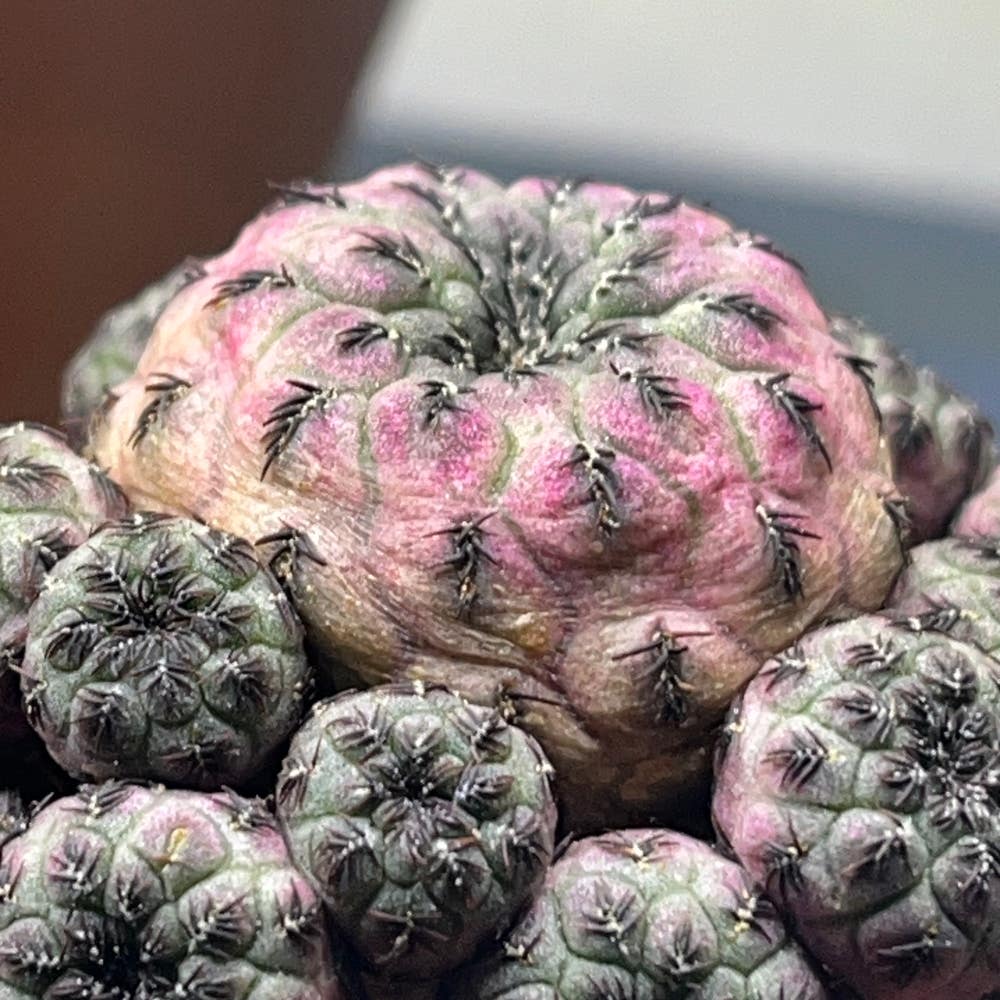
Softness and discoloration at the base of your Rebutia perplexa are the telltale signs of over-watering. It's like the plant is waving a white flag, begging for a reprieve from the deluge.
Saving Your Cactus
To rescue your waterlogged friend, cut back on the H2O immediately. Let the soil dry out before you even think about watering again. Repotting might be necessary, giving your cactus a fresh start in well-draining soil. Remember, moderation is key—treat water like a scarce desert resource.
💧 The Under-watering U-turn
Shriveled stems? Your Rebutia is as parched as a desert wanderer. It's a clear cry for help, signaling a desperate need for moisture.
Hydration Help
Soak the pot to let the soil drink up, then ensure it drains well—no cactus likes wet feet. Going forward, water only when the top few inches of soil are dry. It's a balancing act, finding that sweet spot between drought and deluge.
Light and Temperature Tangles
🌞 Sunburn and Shade: Finding the Balance
Scorch marks and color loss are telltale signs your Rebutia perplexa has had too much sun. It's like a bad tan for your cactus.
To find the perfect spot, aim for bright, indirect light. This could mean moving your cactus away from a south-facing window or providing some shade during peak hours.
🌡️ Temperature Tantrums
Growth stunting or color changes in your Rebutia perplexa? Could be temperature stress. It's like your plant is throwing a silent fit.
Consistent climate is key. Keep your Rebutia in a spot where the temperature stays within the ideal range, away from drafts and direct heat sources.
Battling Bugs and Fungus Among Us
🐛 Pesty Problems
Unwanted guests on your Rebutia perplexa can range from mealybugs to spider mites. Mealybugs look like tiny cotton puffs hiding in crevices, while spider mites leave fine webs and cause yellowing leaves.
To combat these pests, start with a gentle shower from above to dislodge them. If they're persistent, insecticidal soap or neem oil can act as your plant's personal bouncers. For severe cases, you might need to bring out the big guns: miticides or systemic insecticides.
🍄 Fungus Fiascos
Fungal issues often manifest as mold or mildew, with telltale signs like discolored patches or a powdery residue. Airflow is your first line of defense; make sure your Rebutia isn't suffocating in stagnant air.
To fight off fungus, consider fungicides, but be sure to apply them when your plant isn't in direct sunlight to avoid a fungal fiesta. Cleanliness is crucial—keep your plant's area free of debris and sterilize your tools to prevent spreading spores.
Root Rot: The Silent Killer
Root rot is the underground assassin of your Rebutia perplexa, often going unnoticed until it's too late. Recognizing the signs early is crucial for the survival of your cactus.
🕵️ Unearthing the Issue: Recognizing Root Rot Before It's Too Late
Root rot can be a silent saboteur, lurking beneath the surface. If your cactus is showing signs of stunted growth or the leaves have become unexpectedly squishy, it's time to investigate. Gently remove your Rebutia from its pot and examine the roots. Healthy roots should be firm and white, while rotten roots will be mushy and dark. If they're more reminiscent of overcooked noodles than crisp vegetables, you've got a problem.
🏥 Root Revival Techniques: Soil, Drainage, and Careful Cutting
To combat root rot, think of yourself as a plant surgeon. Sterilize your cutting tools and remove the affected roots with precision. It's a delicate balance – remove enough to stop the rot but preserve as much of the healthy root system as possible.
After the amputation, let the roots air out before repotting in fresh, well-draining soil. Adjust your watering habits; your cactus isn't a fish, it doesn't need to swim. Ensure your pot has proper drainage to avoid future waterlogging.
Remember, prevention beats cure. Regular root check-ups can save your Rebutia from an untimely demise. Keep the soil light and airy, and never let it become waterlogged. If you catch root rot making a comeback, show it the door with the same decisive action.
⚠️ Safety First
This content is for general information and may contain errors, omissions, or outdated details. It is not medical, veterinary advice, or an endorsement of therapeutic claims.
Always consult a qualified healthcare professional before using any plant as food, medicine, or supplement.
Never eat any plant (or feed one to pets) without confirming its identity with at least two trusted sources.
If you suspect poisoning, call Poison Control (800) 222-1222, the Pet Poison Helpline (800) 213-6680, or your local emergency service immediately.
Spotted an error? Please report it here.
Ensure your Rebutia perplexa bounces back to health 🩹 with Greg's custom care reminders and pest control tips, echoing the life-saving advice in this article.