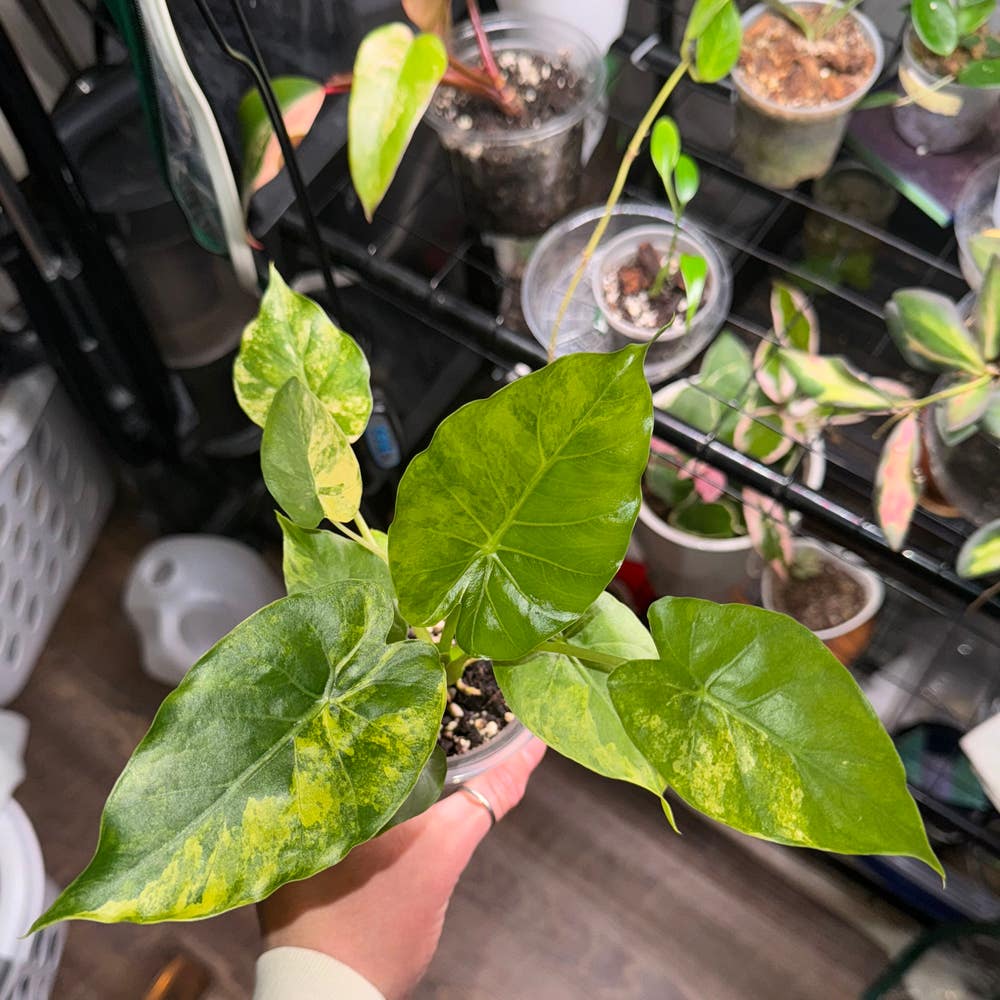
How Do I Propagate My Hoya Rangsan?
Hoya sp. 'Rangsan'
By the Greg Editorial Team
Feb 13, 2024•7 min read
This article was created with the help of AI so we can cover more plants for you. May contain errors. See one? Report it here.
- Choose healthy stems and leaves, cut at 45-degree angles, and use rooting hormone.
- Maintain moisture and airflow to prevent disease during propagation.
- Be patient and gentle when potting new Hoyas, avoiding fertilization initially.
Snip & Dip: Stem Cuttings
🌱 Choosing Your Champions: Selecting the Best Stems
Healthy stems are the MVPs of propagation. Look for robust, green, and pest-free stems. The ideal time for snipping is during the plant's growth spurt, typically in spring or early summer.
✂️ The Snip: How to Cut for Success
Grab your sterilized shears and make a decisive cut. Aim for a 45-degree angle just below a leaf node. This maximizes rooting potential and helps the cutting absorb moisture like a sponge.
🌱 The Dip: Rooting Your Cuttings in Water vs. Soil
Rooting hormone? It's like a pep talk for your cuttings. Dip the end in it to boost root growth. You can root in water for a visual treat or in soil for a surprise reveal. Both methods crave a well-draining medium.
🌿 Keeping Them Cozy: Ensuring Optimal Conditions for Root Growth
Create a humidity haven with a plastic bag or container to maintain moisture. Ensure good air circulation to keep diseases at bay. When you spot firm, white roots, it's time to celebrate your green thumb victory.
Leaf the Way: Leaf Cuttings
In the realm of Hoya Rangsan propagation, leaf cuttings are like the unsung heroes quietly waiting for their moment in the spotlight. Here's how to ensure they shine.
🌱 Picking the Perfect Leaves
Select leaves that are the epitome of health—plump, vibrant, and free from any blemishes. These are your best bets for a successful propagation.
🌿 Prepping Your Leafy Prospects
Once chosen, give your leaves a little time to develop a callus. This is crucial—it's their natural band-aid, protecting them from rot when they hit the soil.
🌱 Planting and Pampering for Prime Root Development
Lay your callused cuttings on a bed of well-draining soil, callus side down. Don't bury them; they're not looking for an underground hideout. Keep the soil slightly moist and wait for magic to happen.
🌿 The Waiting Game: How to Nurture Your Leaf Cuttings
Patience isn't just a virtue; it's a requirement. Roots take their sweet time, so don't rush them. Keep conditions stable and your cuttings dry, especially in the evenings, to prevent any fungal gatecrashers. And remember, when you finally spot those tiny roots, it's time for a mini celebration.
High in the Sky: Air Layering
✂️ Air Layering Explained: A Cliffhanger for Roots
Air layering is like giving your Hoya Rangsan a solo adventure before it's even left home. It's a propagation method that encourages roots to develop right on the branch, while it's still attached to the mother plant. Think of it as a nursery in the sky.
🛠 Step-by-Step: How to Air Layer Your Hoya Rangsan
- Choose Your Branch: Look for a healthy section that whispers "I'm ready to be on my own."
- Make the Cut: With a clean blade, create two parallel cuts about an inch apart around the stem and remove the bark between them to expose the cambium.
- Apply Rooting Hormone: This gives the exposed area a gentle nudge, saying "Hey, it's time to grow some roots."
- Wrap It Up: Surround the wound with damp sphagnum moss, then hug it with clear plastic wrap to create a cozy, humid microclimate.
- Secure the Scene: Use twist ties or string to keep the plastic in place, but don't strangle the stem.
- Monitor and Mist: Keep the sphagnum moss damp but not soggy, and wait for the magic to happen.
🕰 The Patience Test: Caring for Your Air-Layered Cuttings
Roots can take their sweet time, showing up anytime from a few weeks to a couple of months. Visible roots through the plastic are your green light to cut the umbilical cord and pot your new plant. Until then, keep an eye on moisture levels and resist the urge to poke around. Remember, good things come to those who wait—and air-layered Hoyas are no exception.
Overcoming Propagation Pitfalls
🌱 Stem Cuttings Gone Wrong: How to Troubleshoot
If your stem cuttings are turning to mush, it's time to ease up on the water. Moist is what you're aiming for, not a swamp. Sterilize your tools to prevent any unwanted fungal gate crashers. And if rot has already set in, it's surgery time—remove the affected parts and start over.
🍃 Leaf Cuttings Not Taking Root? Here's What to Do
Leaf cuttings that won't root are likely missing their spotlight moment. Ensure they're getting that bright, indirect sunlight they crave. If they're still stubborn, it could be a temperature issue. They don't want to chill in the Arctic or bake in the Sahara—find that temperate sweet spot.
🌿 Air Layering Woes: Quick Fixes for Common Hiccups
Encountering mold on your air layering medium? Too much moisture. Dial it back. If roots are playing hide-and-seek, make sure you haven't wrapped the cutting tighter than a burrito. Roots need breathing room. Remember, air layering is a marathon, not a sprint—patience is your co-pilot.
🚰 Drainage: Your Propagation Lifeline
A pot without drainage is a recipe for a soggy disaster. Use containers with drainage holes to let excess water escape. It's a simple step, but it's the difference between a thriving cutting and a waterlogged mess.
🌡️ Temperature: The Goldilocks Zone
For wilting cuttings, think Goldilocks—not too hot, not too cold. If they're drooping like overcooked spaghetti, move them to a warmer spot. Too cold, and you're on a one-way trip to droop city.
🧼 Cleanliness: The Sterile Standard
Dirty tools are a no-go. Sterilize your scissors or shears before cutting. It's like a mini surgery—you want everything clean to avoid introducing any plant pathogens.
🌱 Rooting Hormone: The Root Booster
Consider using rooting hormone for your cuttings. It's like a motivational speaker for roots, telling them to grow strong and healthy.
💨 Airflow: The Unsung Hero
Keep the air moving around your cuttings with a gentle fan. Stagnant air is a fungal infection's best friend. If you're living in a humid climate, a dehumidifier might just be your new best friend.
New Beginnings: Potting Propagated Hoyas
Moving your Hoya Rangsan from water or propagation mix to permanent pots is like graduation day. It's a pivotal moment that sets the stage for their future growth.
🌱 The Big Move: Potting Your New Hoya Babies
When it's time to pot, choose the right size. Hoyas enjoy a snug fit, so don't overwhelm them with too much space. A pot just a bit larger than the root ball is ideal. This encourages flowering, as Hoyas tend to bloom more when slightly root-bound.
Gentle handling is crucial during the transfer. Disturbing the roots as little as possible helps prevent transplant shock. Use a well-draining potting mix—consider a blend of perlite, coco-peat, and vermiculite, as recommended by seasoned growers.
🌿 Transition Tips: Easing into a New Life
Your Hoya's first few weeks in a new pot are about acclimation. Place them in a location with similar light and temperature to their propagation environment, then gradually introduce them to their long-term spot.
Water judiciously. Keep the soil evenly moist but not soggy to encourage strong root development. Hold off on fertilizing for the first year; let them settle in and focus on root growth.
Remember, patience is key. Your Hoya might not explode with growth immediately, but with the right care, it will flourish in time. Keep a watchful eye for any signs of distress and adjust care as needed.
⚠️ Safety First
This content is for general information and may contain errors, omissions, or outdated details. It is not medical, veterinary advice, or an endorsement of therapeutic claims.
Always consult a qualified healthcare professional before using any plant as food, medicine, or supplement.
Never eat any plant (or feed one to pets) without confirming its identity with at least two trusted sources.
If you suspect poisoning, call Poison Control (800) 222-1222, the Pet Poison Helpline (800) 213-6680, or your local emergency service immediately.
Spotted an error? Please report it here.
Propagate your Hoya Rangsan with confidence, and count on Greg 🌿 to provide timely reminders for the ideal moisture and light conditions your cuttings need to thrive.