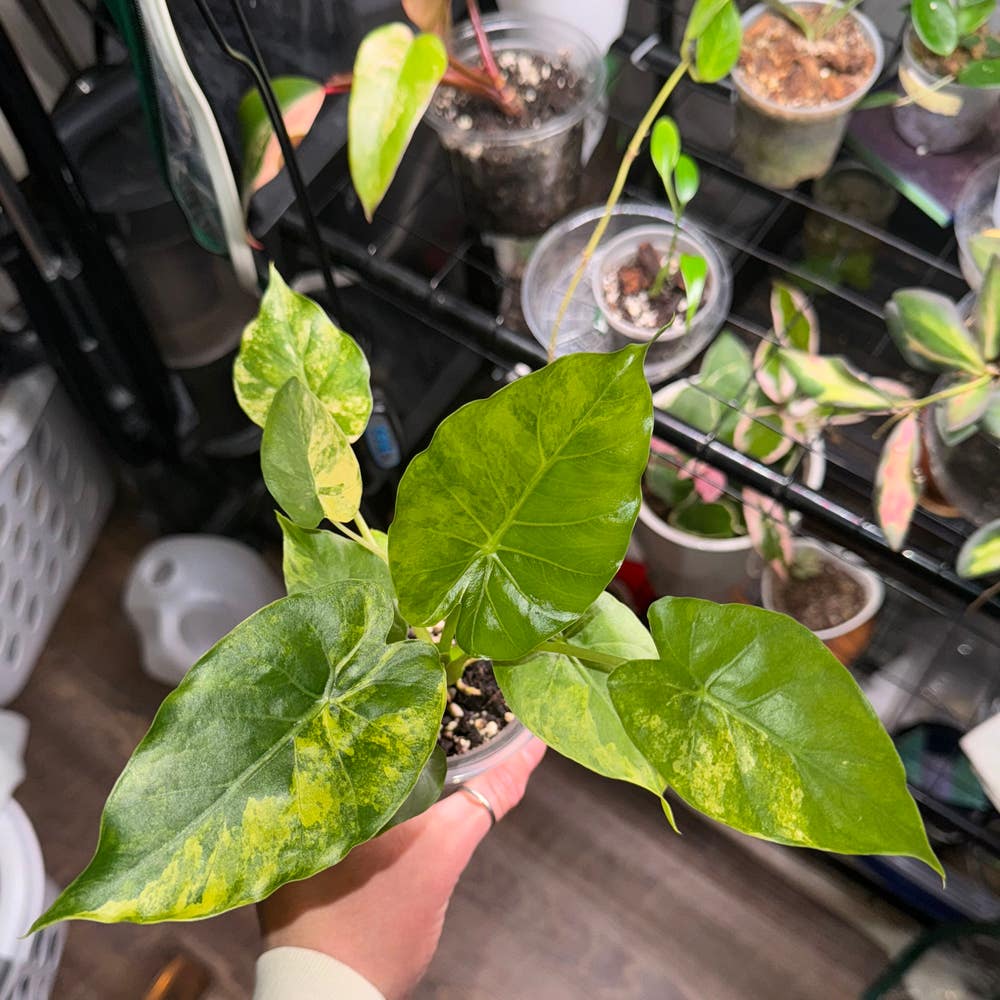
How Can You Tell If A Hoya Rangsan Is Dying?
Hoya sp. 'Rangsan'
By the Greg Editorial Team
Feb 14, 2024•5 min read
This article was created with the help of AI so we can cover more plants for you. May contain errors. See one? Report it here.
- Wilting and yellowing leaves signal stress; adjust water and nutrients.
- Stunted growth or no flowers? Check light, water, and nutrient balance.
- Root rot is serious; ensure drainage and monitor for mushy roots.
Spot the SOS Signals from Your Hoya Rangsan
🚨 Wilting, Yellowing, and Leaf Loss
When your Hoya Rangsan's leaves droop or change color, it's sounding the alarm. Wilting leaves are a sign of stress, possibly due to improper watering or environmental factors. Yellow leaves often indicate a nutritional deficiency or overwatering.
Quick fixes include adjusting your watering schedule and ensuring your plant has the right mix of nutrients. If leaves are soggy, cut back on water. For yellowing, consider a balanced, water-soluble fertilizer applied sparingly.
🌱 Stunted Growth and Flowering Frustrations
If your Hoya Rangsan is not growing or flowering, it's likely not getting what it needs. Stunted growth can be a sign of poor lighting, incorrect watering, or nutrient deficiencies.
To encourage blooms and growth, ensure your plant is getting enough indirect sunlight and is not over or underwatered. Fertilize with care, and be patient—Hoyas can be slow to flower.
Dive into the Common Culprits
💧 The Watering Woes: Too Much or Too Little
Spotting the Signs of Overwatering and Underwatering
Overwatering turns your Hoya Rangsan into a soggy mess. Watch for leaves that look more defeated than a rained-out picnic. If the soil feels like a wet sponge, it's time to ease up on the hydration. Underwatering, on the other hand, leaves your plant more parched than a desert wanderer. Crispy leaves and soil dry as dust are dead giveaways.
🚰 Balancing the Water Budget: Tips for Perfect Hydration
Consistency is your best friend when it comes to watering. The finger test doesn't lie—if the top inch of soil is dry, it's time to water. But remember, your Hoya Rangsan isn't a fan of wet feet. Ensure your pot has drainage holes to avoid waterlogging. And don't forget, the watering needs change with the seasons, just like your wardrobe.
🌞 Light and Temperature Tangles
How to Tell if Your Hoya Rangsan is Craving More Light or is Too Hot to Handle
Leaves turning as pale as a ghost? Your Hoya might be screaming for sunlight. But if they look like they've had a rough day at the beach, too much direct light is the culprit. Temperature-wise, if your plant is dropping leaves like hot potatoes, it might be too cold. Conversely, wilting can signal it's too hot.
Finding the Sweet Spot: Light and Temperature Tweaks for a Happier Plant
Your Hoya Rangsan doesn't need a tan, just a bright spot without direct sun. Think of it as a shady day at the park. Keep the temperature consistent, like a mild spring day, and your Hoya will thank you by not throwing a fit.
🐛 Pests and Pathogens: Unwanted Guests
Identifying Creepy Crawlies and Funky Fungi
Pests are the party crashers no one wants. Mealybugs, spider mites, and scale insects are the main offenders, turning your Hoya Rangsan into a horror show. Fungi, on the other hand, are the silent invaders, leaving your plant with spots and powdery mildew.
Evicting Pests and Curing Plant Diseases: Your Action Plan
Kick pests out by introducing neem oil or insecticidal soap to your plant care routine. For fungi, improve air circulation and consider a fungicide. But remember, prevention is better than cure—keep your plant healthy to avoid sending out the pest and pathogen welcome signal.
Rooting Out the Root Issues
🌱 The Dreaded Root Rot
Root rot is the silent assassin of the Hoya Rangsan world. Mushy roots and a stench of decay are its calling cards. If your plant's base is soft or discolored, it's time for a root rot reckoning.
Immediate action is non-negotiable. With sterilized scissors, cut away the blackened roots. It's a surgical strike against decay. Afterward, repot your Hoya Rangsan in fresh, well-draining soil, and reevaluate your watering routine.
🚰 Saving Your Hoya Rangsan from the Ground Up: Root Rot Rescue
Drainage holes are your plant's lifeline. They prevent water from overstaying its welcome. If your pot is more decorative than functional, use it as a cover pot.
Vigilance is your new best friend. Keep an eye out for wilting or yellowing leaves, and adjust your care accordingly. Remember, overwatering is like rolling out the red carpet for root rot.
Post-surgery care involves monitoring your plant closely. Adjust watering to ensure the soil's moisture level is just right—not too wet, not too dry.
In severe cases, root amputation may be necessary. If most roots are gone, remove them all. As long as the stem is alive, your Hoya Rangsan can be rerooted.
Hydrogen peroxide can be used to disinfect the remaining healthy roots. Dip them in a 3% solution to ward off any lingering pathogens. Then, allow the plant to dry before repotting.
Regular check-ups will help prevent a relapse. Keep the watering can at bay and let your Hoya Rangsan thrive on a regimen of tough love and careful attention.
Care Missteps and How to Correct Them
🌱 Overzealous Care: Fertilizer Fiascos and Potting Problems
Signs of over-loving your Hoya Rangsan can be subtle. Yellowing leaves or a white crust on the soil surface? You might be dealing with fertilizer overload. If your plant's roots look like they belong in a zombie flick—dark and mushy—it's time to intervene.
Dialing it back starts with removing any visible fertilizer. Flush the soil with water to leach out excess nutrients. Think of it as a plant detox. Prune away severely damaged foliage to help your Hoya focus on recovery.
Potting pitfalls are common, too. Using the wrong soil mix or repotting at inopportune times can stress your plant. Invest in a well-draining mix and repot during the growth season—spring or summer.
Cleaning rituals shouldn't be overlooked. Keeping your Hoya's leaves dust-free ensures they can photosynthesize efficiently. And remember, repotting isn't always the answer to a droopy plant—stabilize before you pot-switch.
⚠️ Safety First
This content is for general information and may contain errors, omissions, or outdated details. It is not medical, veterinary advice, or an endorsement of therapeutic claims.
Always consult a qualified healthcare professional before using any plant as food, medicine, or supplement.
Never eat any plant (or feed one to pets) without confirming its identity with at least two trusted sources.
If you suspect poisoning, call Poison Control (800) 222-1222, the Pet Poison Helpline (800) 213-6680, or your local emergency service immediately.
Spotted an error? Please report it here.
Turn your struggling Hoya Rangsan 🌿 into a success story with Greg's tailored watering schedules and sunlight tips, making plant recovery as seamless as nature intended.