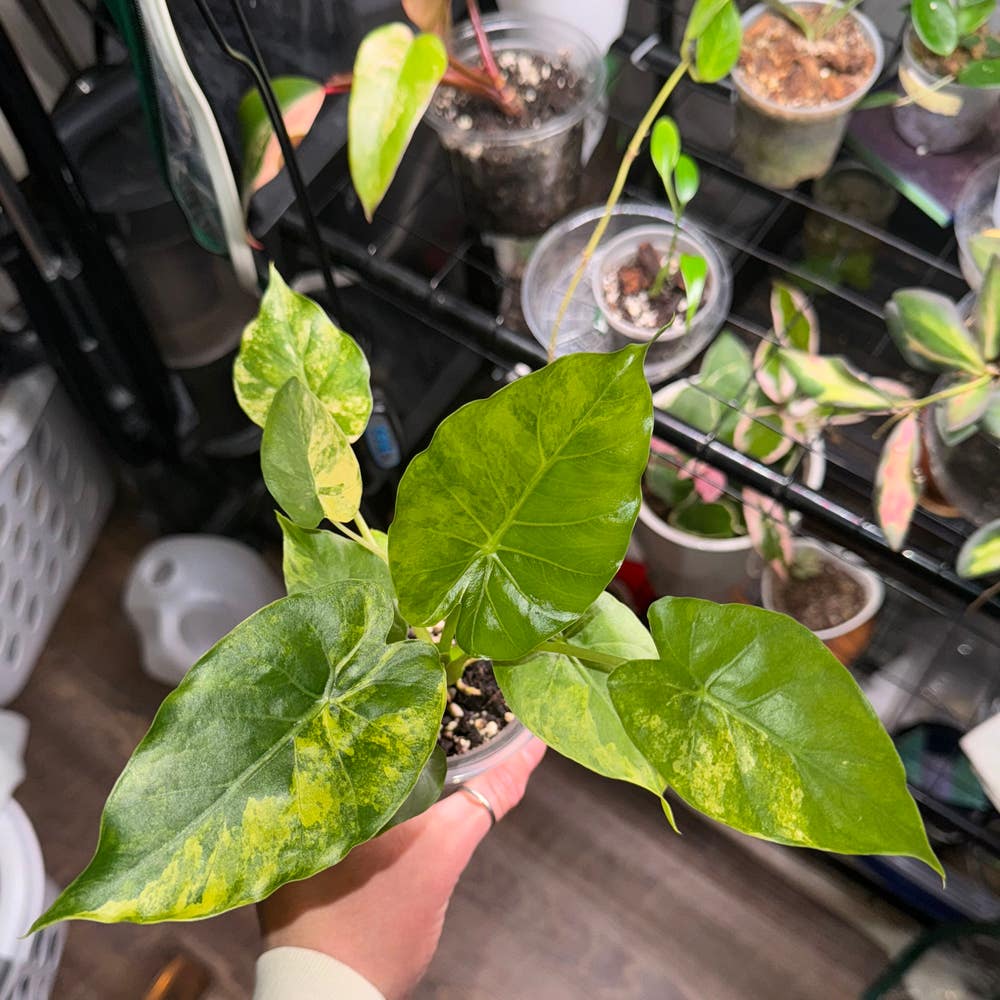
My Hoya Rangsan Leaves Are Turning Yellow. What Should I Do?
Hoya sp. 'Rangsan'
By the Greg Editorial Team
Feb 13, 2024•4 min read
This article was created with the help of AI so we can cover more plants for you. May contain errors. See one? Report it here.
- Nutrient imbalances, watering, pests: main causes of yellow leaves.
- 🌱 Regular inspections help identify and address Hoya Rangsan issues.
- Prune correctly during growth season to encourage healthy foliage.
Pinpointing the Culprit Behind Yellow Leaves
🕵️ Inspecting Your Plant
Yellow leaves on your Hoya Rangsan can be unsettling. Start by examining the leaves, stems, and roots for signs of distress. Look for pests, check the soil moisture, and observe the leaf color closely.
🌿 Common Yellow-Leaf Scenarios
Nutrient deficiencies often manifest as yellowing leaves. Magnesium, potassium, or nitrogen shortages can cause lower leaves to yellow, while a lack of sulfur might affect the upper leaves. Soil testing is crucial to identify what's lacking.
Watering issues are another common cause. Overwatering leads to root rot, indicated by brown, mushy roots and swampy soil. Underwatering, on the other hand, leaves soil dry and plants thirsty.
Pests like spider mites and mealybugs can also turn leaves yellow. These tiny terrors hide under leaves and along stems. Spot them early and take action.
Regular checks are essential. Use tools like moisture meters and magnifying glasses to monitor your plant's health. Adjust your care routine based on what you find to keep your Hoya Rangsan thriving.
Turning Over a New Leaf: Fixing the Yellowing
💧 Watering Woes: Finding the Sweet Spot
Overwatering and underwatering can both lead to yellow leaves in your Hoya Rangsan. To strike the right balance, check the top inch of soil before watering. If it's dry, it's time to water; if it's damp, wait a bit longer. When you do water, ensure it drains freely from the pot's bottom, then allow the soil to dry out somewhat before the next watering.
🍽️ Feeding Your Hoya Right
Nutrient imbalances can also cause yellowing. Use a balanced, water-soluble fertilizer and adhere strictly to the package instructions. Remember to moisten the soil before applying fertilizer to prevent root burn. If yellowing persists, consider a soil test to pinpoint specific deficiencies.
👾 Kicking Pests to the Curb
Regular inspections can help you catch pests before they become a serious problem. Treat any infestations with insecticidal soap or neem oil. Improving air circulation can also help prevent pest issues, so ensure your Hoya isn't in a stagnant corner. Avoid overhead watering, as it can encourage fungal diseases that contribute to yellowing leaves.
Keeping Your Hoya Happy: Preventative Practices
💡 Perfecting the Environment
To ensure your Hoya Rangsan thrives, fine-tune its environment. Light is critical; bright, indirect sunlight mimics the dappled canopy of its natural habitat. Avoid the harsh midday sun that can scorch leaves. Temperature-wise, keep it cozy—Hoyas prefer a range of 60-80°F (15-27°C). Humidity is the cherry on top; aim for 40-60% to keep those leaves lush. If your air is drier than a stand-up comedian's wit, consider a humidifier or pebble tray.
🏗️ Soil and Drainage: Laying the Foundation
The right soil mix is like a good support system—essential for health and growth. Start with a base of well-draining potting soil. Perlite and orchid bark can improve aeration, while a touch of peat moss retains just enough moisture without waterlogging. When it comes to pots, think breathable—terracotta is a solid choice. Ensure the pot size is just right; too big and you risk waterlogging, too small and your Hoya's growth is stifled. Remember, drainage holes are not up for debate; they're as necessary as the plot in a novel.
When to Snip: Pruning Yellow Leaves
🌿 The Art of Pruning
Pruning your Hoya Rangsan isn't just a chore—it's a rescue mission for your plant's aesthetics and health. When leaves turn yellow, it's time to play surgeon with your shears.
🍌 Identify the Yellow Culprits
Inspect each leaf. If it's more banana than leafy green, it's time to trim. Use clean, sharp scissors or pruning shears for a precise cut.
✂️ Making the Cut
Snip right above a leaf node, where new growth will spring forth. This is your plant's phoenix moment, rising anew from the trimmed back foliage.
🧼 Keep It Clean
Sterilize your tools before and after each cut. This isn't just about being a neat freak; it's about keeping your plant safe from disease.
🌱 Timing Is Everything
Prune during the growth season—spring or summer. This is when your Hoya is in its prime, ready to bounce back with vigor.
🙅♂️ Less Is More
Avoid going Edward Scissorhands on your plant. Never remove more than a third of the foliage at once. It's a trim, not a buzz cut.
👀 Watch and Learn
After pruning, keep an eye on your Hoya. New growth is a sign you've done right by your leafy friend. No new leaves? Time to troubleshoot further.
⚠️ Safety First
This content is for general information and may contain errors, omissions, or outdated details. It is not medical, veterinary advice, or an endorsement of therapeutic claims.
Always consult a qualified healthcare professional before using any plant as food, medicine, or supplement.
Never eat any plant (or feed one to pets) without confirming its identity with at least two trusted sources.
If you suspect poisoning, call Poison Control (800) 222-1222, the Pet Poison Helpline (800) 213-6680, or your local emergency service immediately.
Spotted an error? Please report it here.
[[Draft Statement]]: Turn your Hoya Rangsan's frown upside down by diagnosing yellow leaves with Greg's expert care 🌿 and personalized reminders for watering, fertilizing, and pest control!
[[Thoughts]]: The first draft is encouraging and ties into how Greg can help, but it might be a bit too vague on the specific actions Greg can help with. The emoji is relevant, but the sentence could be more concise. To improve, I'll specify the actions Greg assists