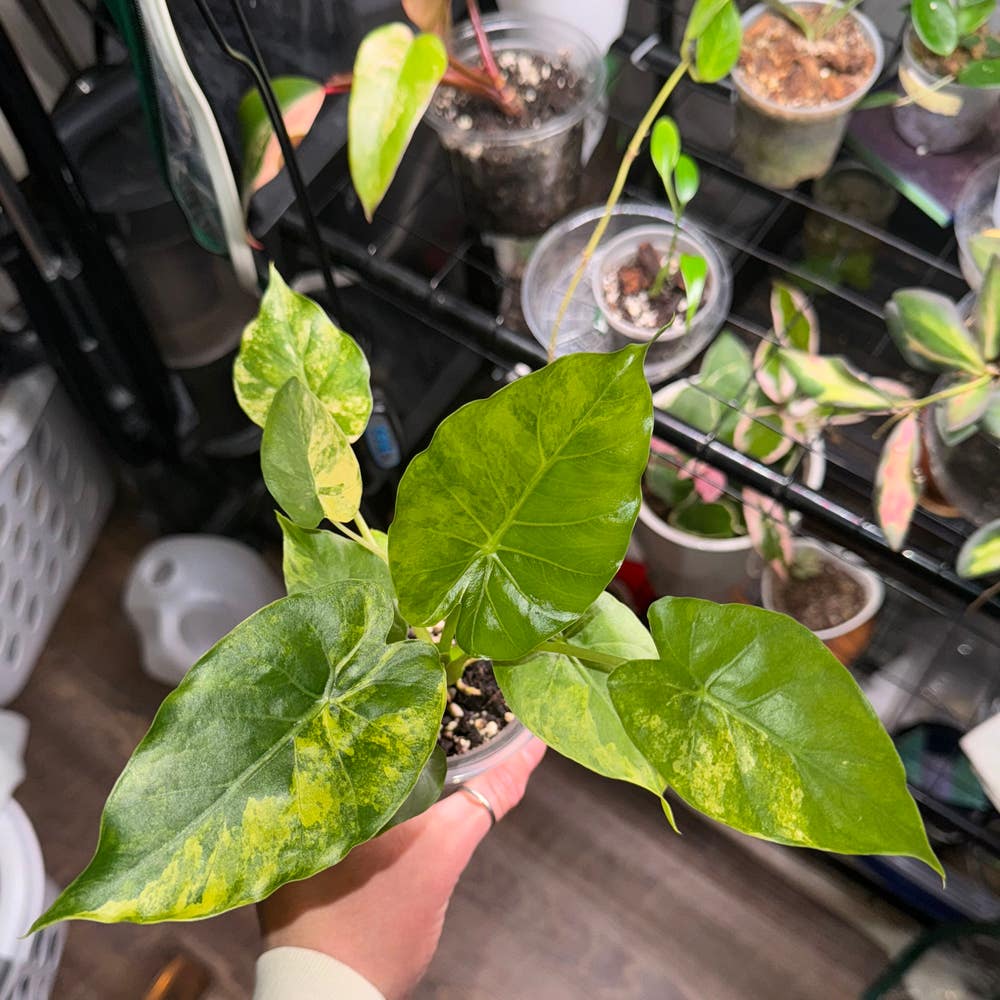
Why Are My Hoya Rangsan Leaves Mushy?
Hoya sp. 'Rangsan'
By the Greg Editorial Team
Feb 13, 2024•4 min read
This article was created with the help of AI so we can cover more plants for you. May contain errors. See one? Report it here.
- Mushy leaves signal overwatering; immediate repotting with proper drainage is crucial.
- 🌱 Root rot detection: black spots on leaves and easily detached roots.
- Adjust watering routine based on soil dryness, season, and environment.
Spotting the Trouble: Signs Your Hoya Rangsan is Too Wet
🚰 Overwatering Symptoms
Mushy leaves on your Hoya Rangsan scream overwatering. They should not feel like a wet sponge; this texture is a distress signal. Brown spots? Another cry for help. Remember, in winter, your Hoya sips less, so ease up on the watering.
🛑 Root Rot Red Flags
Root rot is sneaky but has tell-tale signs. Black or brown spots on leaves are like alarm bells. If your Hoya's roots come off like wet tissue paper, it's code red. Healthy roots are firm, not hair-thin. Trust your nose too; a musty smell is a giveaway.
First Aid for Mushy Leaves
🚑 Emergency Repotting Steps
If your Hoya Rangsan's leaves have turned to mush, immediate repotting is your first line of defense. Begin by gently removing the plant from its current residence. Examine the roots; if they're more reminiscent of overcooked pasta than firm, white tendrils, it's time to take action. Snip the damaged parts with sterilized scissors, ensuring you only leave healthy tissue behind.
When choosing a new pot, think Swiss cheese—lots of drainage holes. The soil should be the life of the party: light, airy, and never soggy. A mix of potting soil, succulent & cactus mix, and a bit of perlite or coarse sand should do the trick. Repot with care, and place your Hoya Rangsan in a spot where it can recover in peace.
🌱 Root Recovery Tactics
After the emergency repotting, your Hoya Rangsan's roots need some TLC to bounce back from the brink. The goal is to strike the perfect balance between moisture and air flow. Water only when the top inch of soil feels dry—use your finger or a moisture meter to check. No guesswork here.
Boosting airflow can be as simple as placing a fan nearby or cracking open a window for a gentle breeze. This isn't just about comfort; it's about giving those roots the breath of fresh air they need to recover. Keep an eye out for any signs of infection and be ready to act fast. Remember, a little preventative care now can save a lot of heartache later.
Watering Wisdom: Keeping Your Hoya Rangsan Happy
💧 Perfecting Your Watering Routine
Finding the sweet spot for watering your Hoya Rangsan is more art than science. It's about observing and responding, not just setting a schedule and forgetting it. Every 12 days might be a good starting point, but always check the soil first. If it's as moist as a wrung-out sponge, hold off on the H2O.
A moisture meter can be your secret weapon, or you can go old school with the finger test. Either way, aim for consistency. Your plant's not looking for surprises; it craves a routine that mimics its natural habitat's ebb and flow of moisture.
🌞 Environmental Factors Affecting Water Needs
Your Hoya Rangsan's thirst varies with the humidity and temperature of its environment. Keep your indoor climate between 60-95°F (15-35°C), and aim for that humidity sweet spot of 50-60%. A hygrometer can help you keep tabs on the humidity, while a pebble tray or humidifier can help you adjust it.
Seasonal shifts mean changing your watering game. Less light and cooler temps in winter? Ease up on the watering. The blazing sun of summer? Your Hoya might need a bit more to drink. Remember, it's not just about the calendar; it's about the conditions your plant is living in. Keep an eye out and adjust accordingly.
Long-Term Care for Lush Leaves
🚱 Preventative Measures Against Overwatering
Consistency is your Hoya Rangsan's best friend when it comes to watering. To avoid the perils of overwatering, let the top two inches of soil dry out before giving your plant another drink. Use tools like a moisture meter to take the guesswork out of this process. Signs that you've hit the hydration sweet spot include firm, vibrant leaves and steady growth.
🚰 Drainage and Pot Selection
Drainage holes are non-negotiable for a healthy Hoya Rangsan. They're the getaway car for excess water. If you're prone to over-love with water, opt for a terracotta pot. Its porous nature helps wick away moisture, protecting your plant from the dreaded mush. Remember, a pot too large can hold unnecessary water, leading to soggy soil, so choose a size that's just right for your Hoya's current stature.
⚠️ Safety First
This content is for general information and may contain errors, omissions, or outdated details. It is not medical, veterinary advice, or an endorsement of therapeutic claims.
Always consult a qualified healthcare professional before using any plant as food, medicine, or supplement.
Never eat any plant (or feed one to pets) without confirming its identity with at least two trusted sources.
If you suspect poisoning, call Poison Control (800) 222-1222, the Pet Poison Helpline (800) 213-6680, or your local emergency service immediately.
Spotted an error? Please report it here.
Revive your Hoya Rangsan from mushy mishaps with Greg's tailored watering alerts 🚿, ensuring just the right ebb and flow for your plant's health.