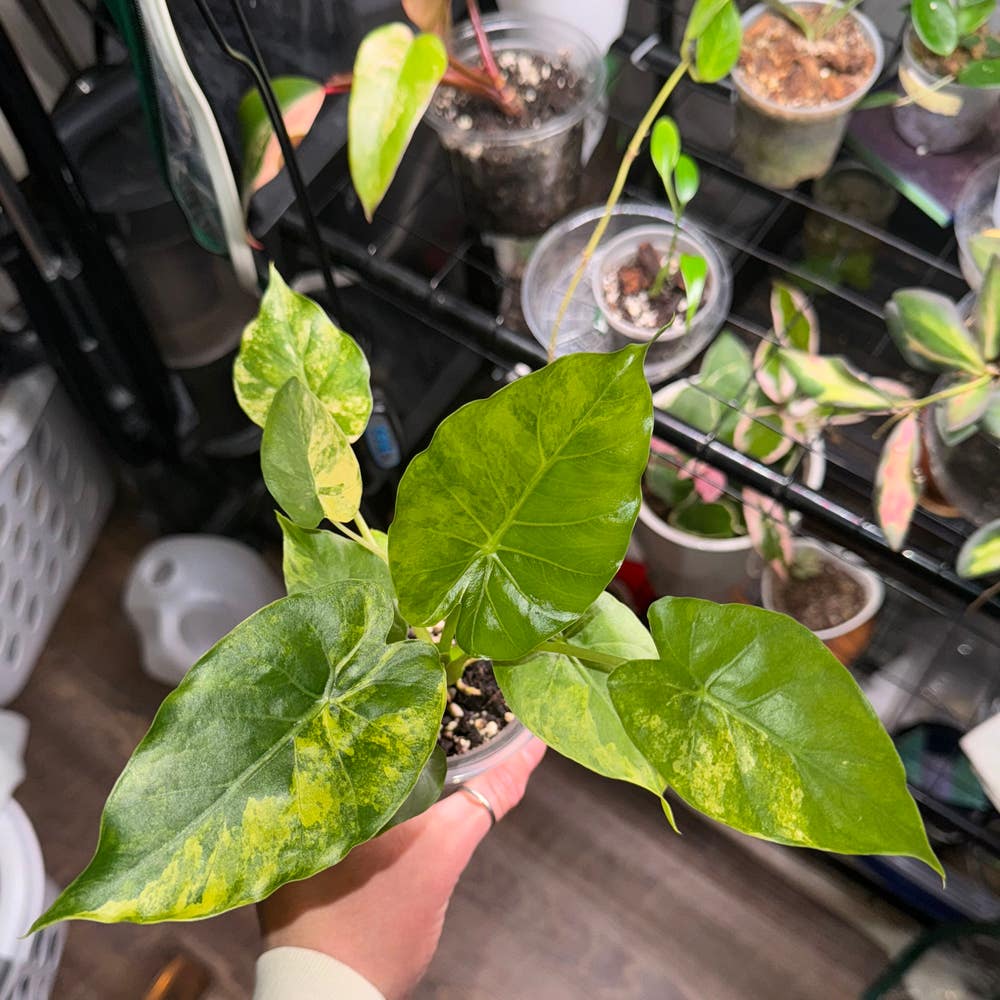
Why Is My Hoya Rangsan Dropping Leaves?
Hoya sp. 'Rangsan'
By the Greg Editorial Team
Feb 13, 2024•4 min read
This article was created with the help of AI so we can cover more plants for you. May contain errors. See one? Report it here.
- Under/overwatering? Wilted or yellow leaves signal it's time to adjust watering.
- 🌞🌡️ Light and temperature stress? Discoloration and crispiness mean reposition your Hoya.
- 🐛 Pest problems? Wipe leaves, use insecticidal soap, and repot if root-bound.
When Thirsty or Drowned: Watering Woes
🚰 Spotting the Signs of Improper Watering
Wilted, wrinkled leaves are your Hoya Rangsan's way of saying, "I'm parched!" Underwatering is likely the culprit if the leaves look more deflated than a day-old balloon. Conversely, leaves that are yellow and mushy scream overwatering. If the soil sticks to your fingers like unwanted gum, it's too wet.
🚰 Fine-Tuning Your Watering Technique
Forget the calendar; your Hoya Rangsan doesn't care what day it is. Check the soil's mood by sticking your finger in up to the second knuckle—dry? Time to water. Ensure the pot has drainage holes to avoid creating a miniature swamp. Adjust your watering rhythm with the seasons, because your indoor climate changes more than your social media status. Keep the soil as moist as a well-made sponge cake—hydrated but not drowning.
Light and Temperature: The Balancing Act
💡 Reading the Leaves: Light and Temperature Stress Signals
Hoya Rangsan is a diva when it comes to light and temperature, and its leaves are the tell-all. Leaf discoloration—think faded greens—is a clear sign of light distress. If the leaves are crispy, like they've been in a tanning bed too long, your plant is probably getting too much direct sunlight. On the flip side, leggy growth or reaching stems suggest your Hoya is playing hide and seek with the light source.
Creating the Ideal Comfort Zone
To prevent a leaf-dropping drama, monitor your Hoya's light like a hawk. Bright, indirect light is the sweet spot; direct sun is a no-go. Think of it as placing your plant in a spot where it can bask in the glow without the risk of a sunburn. Temperature consistency is key—avoid placing your Hoya near drafty windows or heat sources. Aim for a steady room temperature, and consider the humidity. These tropical natives prefer a humidifier's embrace or a pebble tray's touch to keep the air moist. Remember, your Hoya's comfort zone is a non-negotiable for lush, happy leaves.
Unwanted Guests: Tackling Pest Problems
🐜 Catching Critters Early
Pests are the uninvited guests of the plant world, and your Hoya Rangsan is not immune. Aphids, spider mites, and mealybugs are the usual suspects. They're not just annoying; they're harmful, causing leaves to curl, yellow, or drop. A sticky residue or fine webbing is a telltale sign of these critters. Always inspect new plants before introducing them to your home; consider it a necessary quarantine.
⚔️ Winning the Bug Battle
To keep your Hoya Rangsan thriving, you need to be both a nurturer and a warrior. Regularly wipe down leaves with a soft cloth and soapy water to deter pests. Increase airflow and avoid overwatering to make your plant less hospitable to invaders. If pests do show up, show them the door with insecticidal soap or a neem oil spray. Remember, prompt action is crucial. Treat infestations immediately, and with persistence, you'll keep your Hoya Rangsan pest-free and proudly leafy.
Cramped Quarters: The Issue of Pot-Bound Roots
🌱 Recognizing a Root-Bound Plant
Roots circling the bottom of the pot or poking through drainage holes scream "I need space!" If your Hoya Rangsan's soil dries out faster than you can say "thirsty," or if watering resembles a flash flood passing straight through, you've got a pot-bound plant on your hands. Stunted growth or leaves that have lost their luster are also waving red flags.
🌿 The Right Way to Repot
Spring or early summer is your go-to season for repotting—your Hoya's ready to grow, not sulk in the corner. Choose a pot that's a size up and has proper drainage; your plant's not aspiring to be aquatic. Before the big move, hydrate your plant to ease the transition. Gently coax the Hoya out of its cramped quarters and give those roots a health check—trim any that look like they've been through the wringer.
When repotting, keep the soil level consistent with its previous home—no burying the crown like it's treasure. Use fresh, well-draining soil to give your Hoya a nutrient boost. After the move, water it sparingly to avoid root rot because nobody wants their roots swimming in soggy despair.
Remember, Hoya Rangsan likes to be a bit snug, so don't go overboard with the pot size. It's not about giving it a mansion, just enough room to stretch its legs.
⚠️ Safety First
This content is for general information and may contain errors, omissions, or outdated details. It is not medical, veterinary advice, or an endorsement of therapeutic claims.
Always consult a qualified healthcare professional before using any plant as food, medicine, or supplement.
Never eat any plant (or feed one to pets) without confirming its identity with at least two trusted sources.
If you suspect poisoning, call Poison Control (800) 222-1222, the Pet Poison Helpline (800) 213-6680, or your local emergency service immediately.
Spotted an error? Please report it here.
Prevent your Hoya Rangsan from shedding tears (or leaves!) by letting Greg tailor your care routine 🌿, from perfect watering to pest patrol, for a happy, healthy plant.