🌞 Does My Hoya Rangsan Need Direct Sunlight?
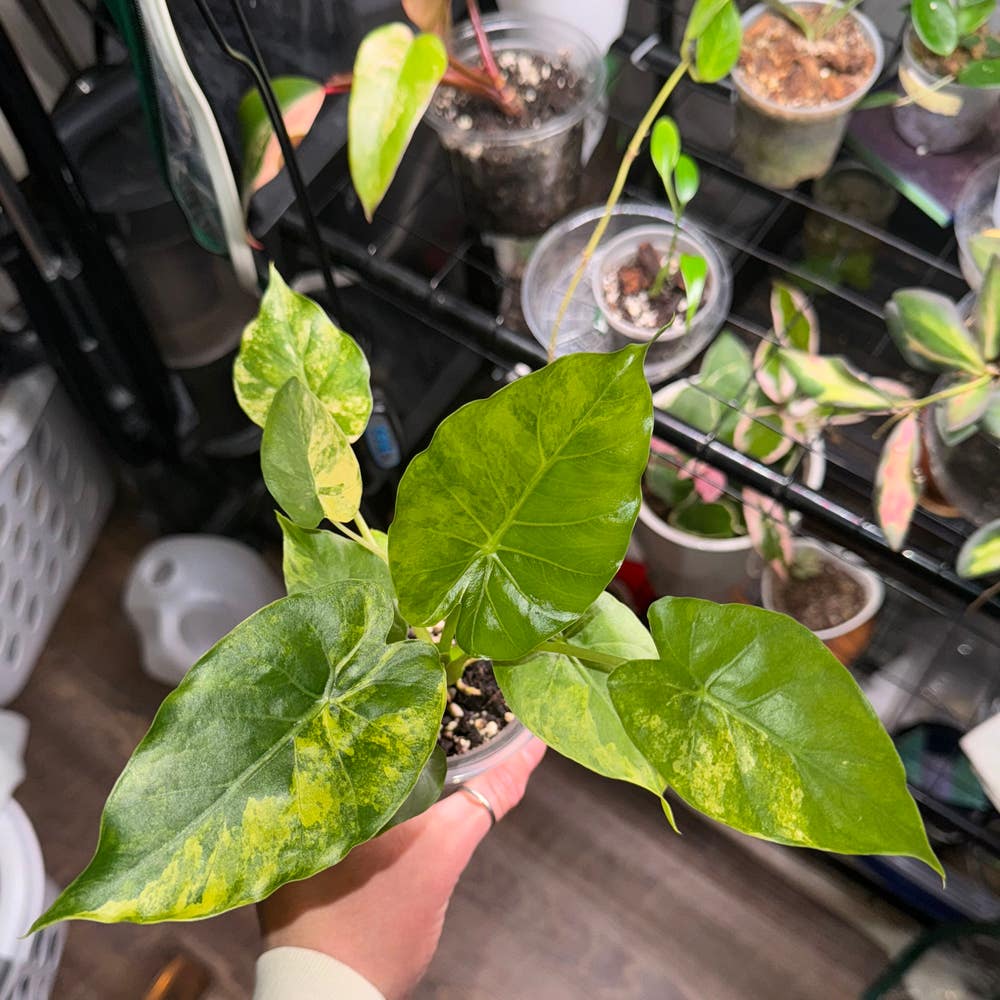
Hoya sp. 'Rangsan'
By the Greg Editorial Team
Feb 14, 2024•3 min read
This article was created with the help of AI so we can cover more plants for you. May contain errors. See one? Report it here.
- 🌤️ Indirect sunlight is best for Hoya Rangsan, not direct.
- East or west window? East-facing for gentle light.
- 🛑 Too much sun? Look for crispy edges and wilting.
Sunlight Decoded: What Does Hoya Rangsan Prefer?
🌞 Defining Sunlight for Hoya Rangsan
Let's cut through the jargon: direct sunlight is the zesty, full-throttle light that can fry your Hoya Rangsan's leaves faster than an egg on a sidewalk. Indirect sunlight is the chill cousin, delivering a milder dose of sunshine that won't leave your plant reaching for aloe vera.
🌅 Hoya Rangsan's Sunlight Sweet Spot
Hoya Rangsan is like that friend who enjoys a good beach day but camps under the umbrella. Bright, indirect light is its jam. It can handle a morning sunbath but tuck it away before the harsh noon rays crash the party. Too much direct exposure, and you're in for a crispy leaf situation.
Through the Window: Hoya Rangsan's Best Spot at Home
⬅️ Direction Matters: Where to Place Your Hoya Rangsan
The compass is your cheat sheet for Hoya Rangsan's happiness. North-facing windows are the underdogs here, offering low light that might leave your plant yearning for more. South-facing windows can be too intense, like a spotlight on a nervous actor. East-facing windows hit the sweet spot with a gentle morning light, while west-facing windows serve a stronger brew of afternoon rays.
🌐 Hemisphere Highlights: Adjusting Expectations
Your hemisphere plays a role in this botanical drama. In the Northern Hemisphere, south-facing windows are the sun's stage, but if you're chilling in the Southern Hemisphere, it's the north-facing windows that soak up the spotlight. Remember, the sun's a fickle beast, changing angles with the seasons, so keep your eyes peeled and be ready to pivot. If your Hoya Rangsan starts throwing shade, it might be time to shuffle its position or draw a curtain to soften the blow.
When the Sun's Too Strong: Protecting Your Hoya Rangsan
🌞 Spotting Signs of Too Much Sun
Hoya Rangsan's leaves don't take kindly to overexposure. Crispy edges and brown patches scream sunburn. If the leaves resemble overcooked kale, it's time to dial back the sunlight. Bleached colors and wilting are the plant's version of waving a white flag.
🕶️ Quick Fixes for Too Much Light
When your Hoya Rangsan's tan lines are too pronounced, it's time for some shade. Sheer curtains can be your plant's sunscreen, diffusing harsh rays. If your green buddy's leaves start to look like they've had a rough day at the beach, consider relocating it to a less intense spot. Remember, a scorched leaf is a lost cause; snip it off and let your plant focus on fresh growth. Rotate your plant occasionally to avoid the botanical equivalent of a lopsided tan.
Keeping Your Hoya Rangsan Happy Year-Round
🌞 Seasonal Sunlight Shifts
As the earth tilts on its axis, the intensity and angle of sunlight change, affecting your Hoya Rangsan. In summer, the sun is high, and light is intense; in winter, it's weaker and comes at a slant. Your plant's spot may be perfect in June but too dim in December.
🔄 Monitoring and Adjusting Sunlight Exposure
Rotate your Hoya Rangsan periodically to promote even growth and prevent the "Quasimodo effect." Use a light meter or your phone's light sensor app to check if the light is too strong or too weak. If natural light is scarce, especially in winter, consider a grow light to simulate the sun. Set it up 12-24 inches above your plant and use a timer to mimic natural daylight hours. Remember, your Hoya doesn't have a snooze button; it thrives on consistency.
⚠️ Safety First
This content is for general information and may contain errors, omissions, or outdated details. It is not medical, veterinary advice, or an endorsement of therapeutic claims.
Always consult a qualified healthcare professional before using any plant as food, medicine, or supplement.
Never eat any plant (or feed one to pets) without confirming its identity with at least two trusted sources.
If you suspect poisoning, call Poison Control (800) 222-1222, the Pet Poison Helpline (800) 213-6680, or your local emergency service immediately.
Spotted an error? Please report it here.
Keep your Hoya Rangsan perfectly pampered 🌤️ with Greg's light metering feature, ensuring it gets just the right amount of indirect sunlight for optimal health.