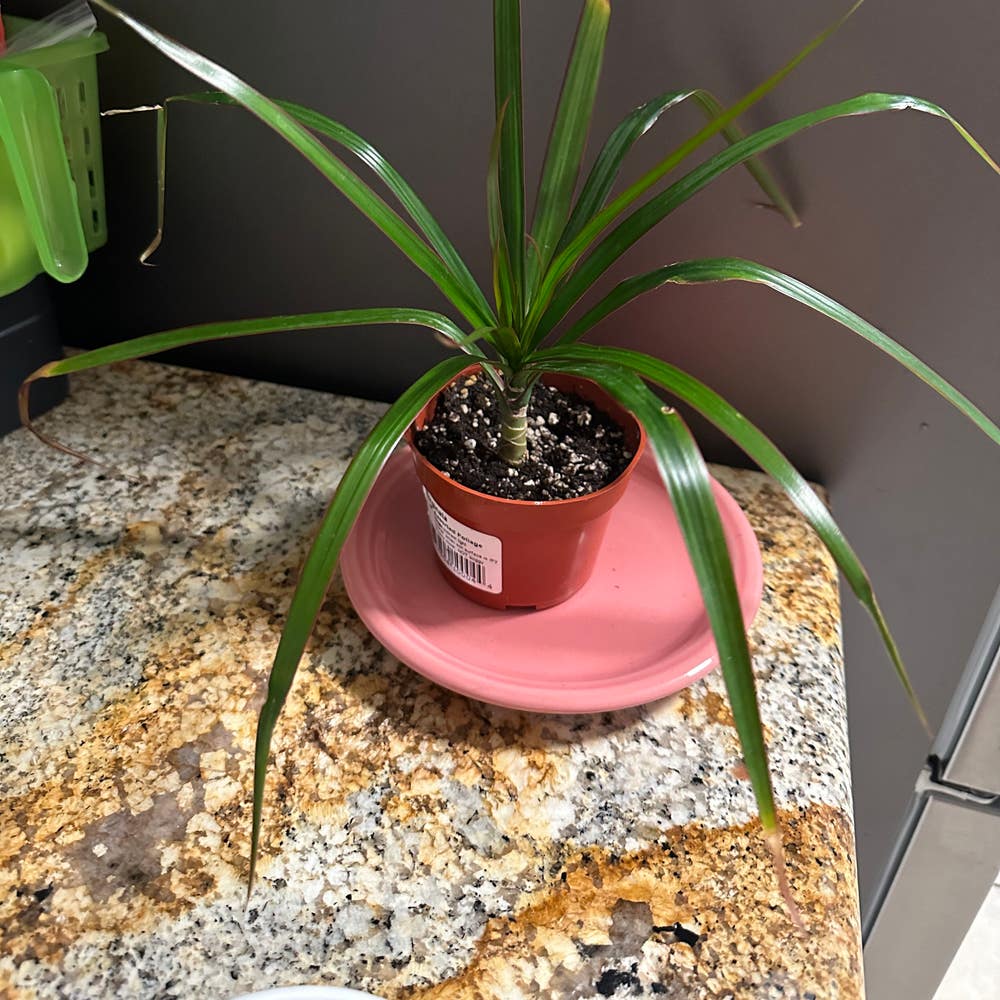
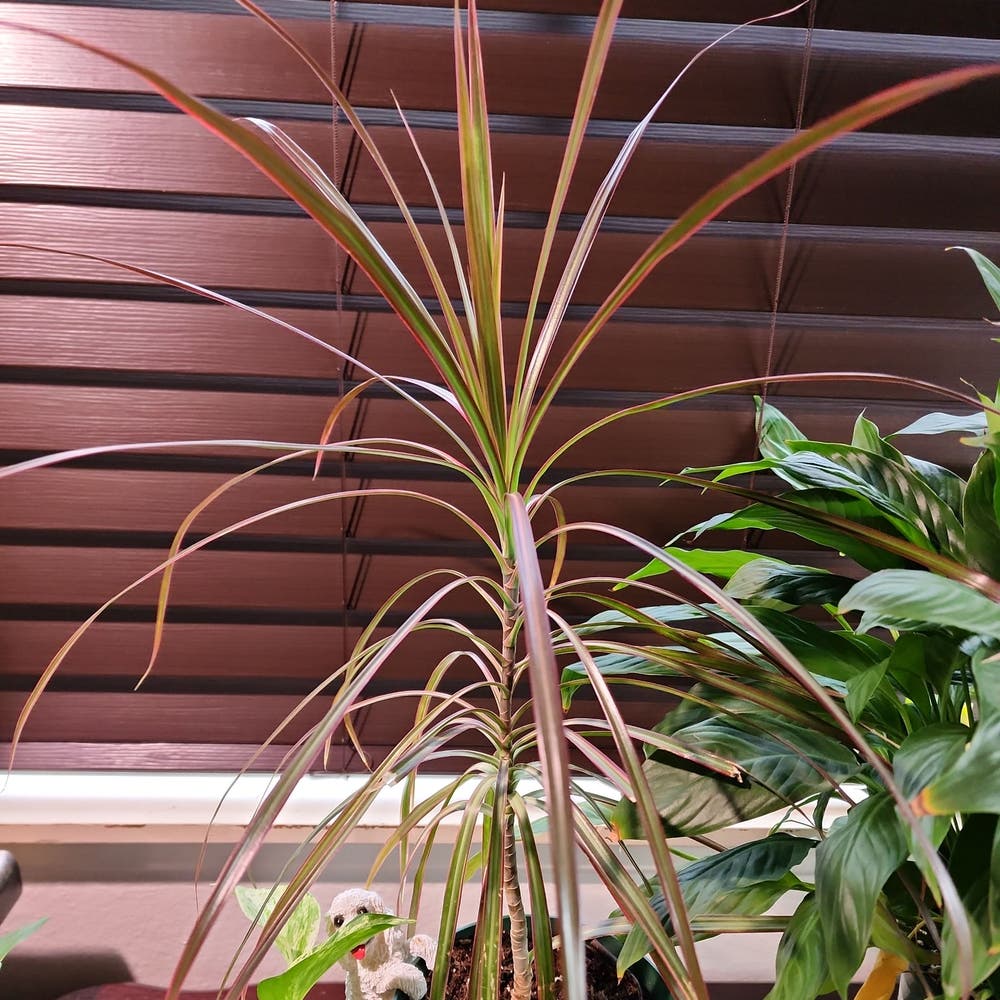
Propagating Dracaena marginata 'Bicolor': The Ultimate Guide
Dracaena reflexa var. angustifolia 'Bicolor'
By the Greg Editorial Team
Jun 18, 2024•4 min read
This article was created with the help of AI so we can cover more plants for you. May contain errors. See one? Report it here.
Propagate your Dracaena 'Bicolor' 🌿 effortlessly and watch your indoor jungle thrive with our ultimate guide!
- Choose healthy stems: Vibrant green, blemish-free for successful propagation.
- Rooting options: Water or soil, each with specific conditions for best results.
- Troubleshoot common issues: Yellow leaves, droopy stems, and pests with targeted fixes.
Snip and Start: Preparing Your Cuttings
🌱 Choosing Your Champion Stem
In the quest for propagation prowess, selecting a robust stem is like drafting the top athlete for your team. Look for stems that boast a vibrant green hue, an aura of health, and are free from the telltale signs of plant despair—blemishes or disease. The ideal candidate is about 4-6 inches long, with several leaf nodes acting as potential root headquarters.
✂️ The Cut: Where and How
Armed with a disinfected pair of shears or a knife—think surgeon's tools, not kitchen gadgets—aim for a 45-degree angle cut just below a node. This isn't just about aesthetics; it's strategic, increasing the surface area for roots to emerge and ensuring the cutting drinks up moisture efficiently. Before you make the cut, strip off any lower leaves to prevent future rot and leave just a few leaves on top to keep the photosynthesis party going. If you've stumbled upon stems with aerial roots, consider yourself lucky; they're like eager interns, ready to hit the ground running.

Rooting for Success: Propagation Methods
💧 The Water Dance: Rooting in H2O
Dive into water propagation with vigilance and a clear jar. Here's how to get your Dracaena marginata 'Bicolor' cuttings to take the plunge:
- Select a container that's transparent, to keep an eye on root growth. Think mason jars or clear vases.
- Fill with room-temperature water; avoid the cold shock of tap.
- Submerge the cut end, ensuring no leaves are underwater.
- Place in a spot with bright, indirect light—no tanning sessions for these babies.
- Patience is your new best friend; roots may take 1-2 months to appear.
- Change the water weekly to prevent a bacterial rave.
- Once roots hit three inches, it's time for a soil debut.
🌱 Soil's Embrace: Direct Planting
For those who prefer a more grounded approach, direct soil planting beckons:
- Choose a pot with drainage holes—no one likes soggy feet, plants included.
- Mix a well-draining potting soil; consider a dash of perlite for extra aeration.
- If you're feeling fancy, a touch of rooting hormone on the cut end can't hurt.
- Plant the cutting, ensuring at least one node is buried in the soil.
- Water to moisten the soil, but don't drown it—think of it as a moist sponge.
- Cover with a plastic bag for a DIY greenhouse effect, trapping in humidity.
- Keep the soil consistently moist, but not waterlogged, to cheer on root growth.
Remember, whether you're a water whisperer or a soil sorcerer, the key is consistency and a watchful eye. Your Dracaena is counting on you!

Plant Care 101
Choosing the Right Plants for Your Space
Watering Tips for Healthy Plants
Soil and Fertilizer Basics
Dealing with Common Pests and Diseases
Pruning and Trimming Techniques
Propagation Methods for New Plants
Creating a Plant Care Schedule

Troubleshooting: Common Propagation Pitfalls
💛 Yellowing Leaves? Droopy Stems?
Yellowing leaves can signal a multitude of issues. Overwatering, underwatering, lack of sunlight, or even the need for repotting. Assess your watering habits and the plant's light exposure to start troubleshooting.
👣 Root rot is a common culprit behind yellowing leaves and wilting stems. If the roots look like they've seen better days, it's time to act. Trim the damaged parts and let the healthy ones dry before replanting in a well-draining mix.
Drooping stems often cry out for attention due to temperature stress or cramped roots. Ensure your cuttings are at a cozy temperature and have enough space to grow.
Pests and diseases can turn your propagation dreams into nightmares. Keep an eye out for unwanted guests and be ready with insecticidal soap or neem oil. Remember, cleanliness is your first line of defense—always use sterilized tools.
If your cuttings are as lifeless as a forgotten New Year's resolution, consider a nutrient boost. A half-strength fertilizer might just be the pep talk they need.
Lastly, don't forget the power of good airflow. It's like social distancing for plants—preventing fungal infections and keeping your cuttings healthy.
⚠️ Safety First
This content is for general information and may contain errors, omissions, or outdated details. It is not medical, veterinary advice, or an endorsement of therapeutic claims.
Always consult a qualified healthcare professional before using any plant as food, medicine, or supplement.
Never eat any plant (or feed one to pets) without confirming its identity with at least two trusted sources.
If you suspect poisoning, call Poison Control (800) 222-1222, the Pet Poison Helpline (800) 213-6680, or your local emergency service immediately.
Spotted an error? Please report it here.
Propagate your Dracaena marginata 'Bicolor' flawlessly 🌱 with Greg's custom care reminders, ensuring your cuttings thrive in the perfect environment from water to soil.