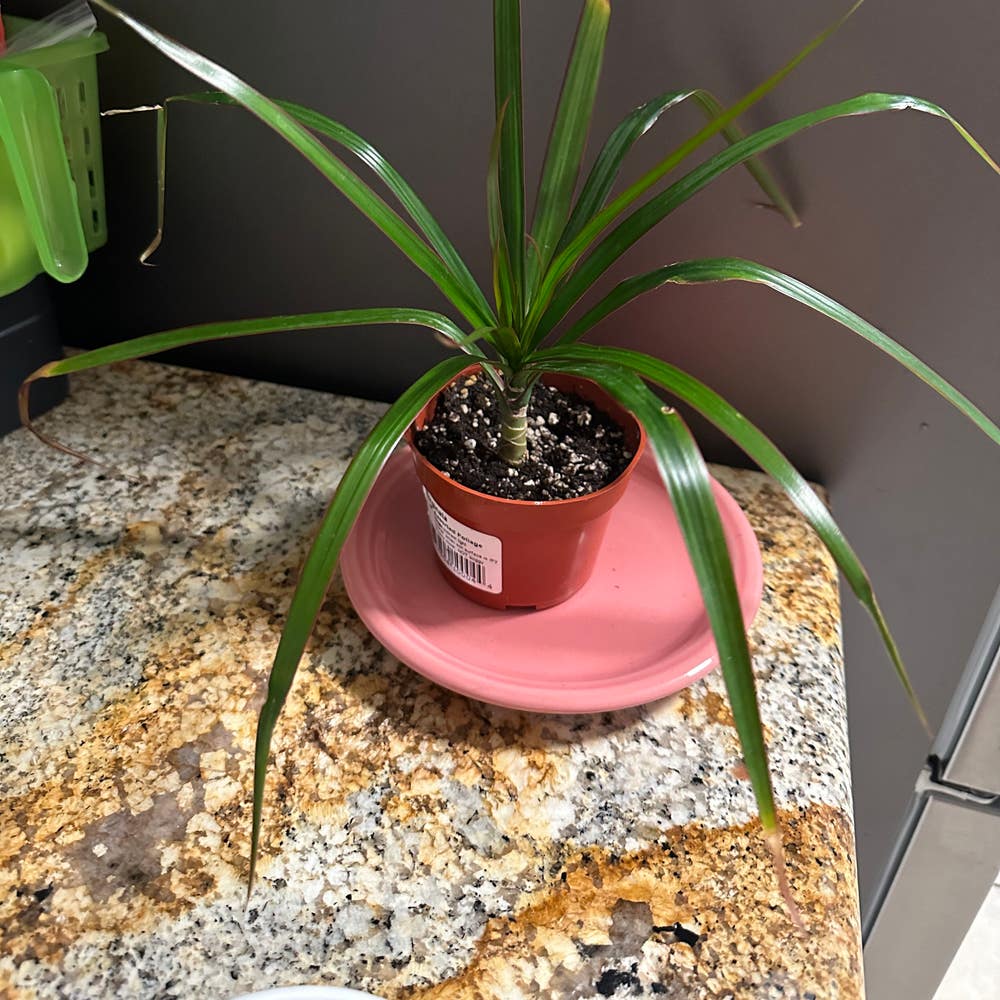
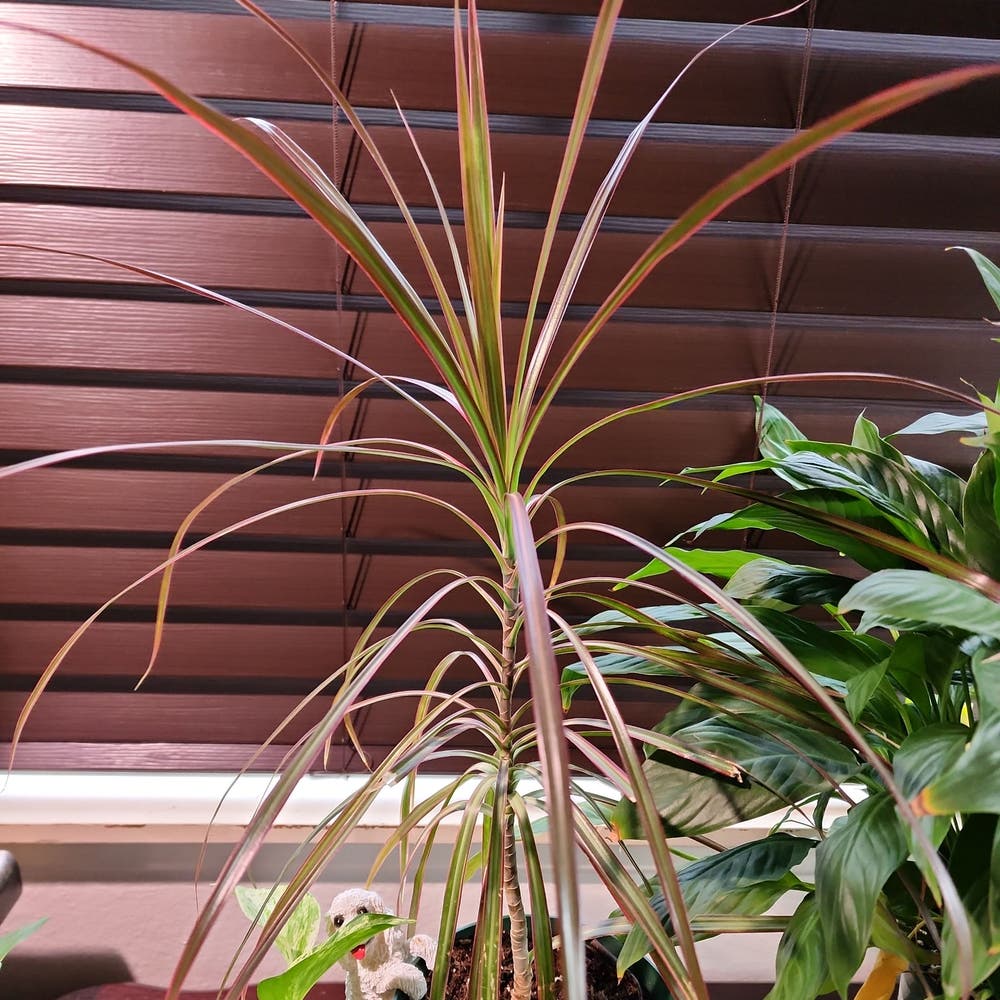
🌡 What Temperature Does My Dracaena marginata 'Bicolor' Need?
Dracaena reflexa var. angustifolia 'Bicolor'
By the Greg Editorial Team
Jun 18, 2024•4 min read
This article was created with the help of AI so we can cover more plants for you. May contain errors. See one? Report it here.
Keep your 'Bicolor' happy 🌡️ by nailing the perfect temperature sweet spot! 🌿
- 65-75°F (18-24°C) is the ideal temperature range for 'Bicolor'.
- Consistent temperature prevents stress, look for leaf discoloration as a sign.
- Avoid drafts and vents to maintain 'Bicolor's' comfort and health.
Dialing in the Perfect Climate
🌡️ The Goldilocks Zone: Ideal Temperature Range for 'Bicolor'
Dracaena marginata 'Bicolor' thrives in the sweet spot of 65-75°F (18-24°C). It's a temperature range that's just right, not too hot, not too cold, but perfect for this particular houseplant. Stray too far above, and you risk leaf scorch; dip below, and you'll see growth slowdowns and brown, unhappy leaves.
Keeping It Consistent
Stability is the name of the game when it comes to 'Bicolor' temperatures. This plant detests the drama of fluctuating climates, preferring a steady, unchanging environment. Think of it as needing a steady beat, not a wild tempo, to keep its growth in rhythm. If your home is a rollercoaster of temperatures, consider a climate control solution to keep your 'Bicolor' from throwing a fit.

Spotting the Signs of a Temperature Tantrum
🌡️ Visual SOS: Recognizing Temperature Stress
Your Dracaena marginata 'Bicolor' is a bit of a diva when it comes to temperature, and it's not shy about showing it. Leaf discoloration is like the plant's mood ring, with yellowing leaves hinting at too much heat and brown spots crying out against the cold. If you see leaves wilting, it's the plant's way of throwing its leaves up in exasperation over the heat.
When growth seems to hit the brakes, it's a red flag that your 'Bicolor' is not just lounging around—it's likely struggling with the temperature. This slowdown is the plant's version of a work-to-rule strike, protesting conditions that aren't up to par.
🌞 The Heat is On: Symptoms of Overheating
Scorched leaves are the 'Bicolor's' equivalent of a sunburn, and trust me, there's no aloe vera for that. If the leaves look like they've been in a tanning bed too long, it's a sign that your plant is too hot to handle.
Stunted growth isn't just an inconvenience; it's like your plant is on a hunger strike, refusing to grow until the conditions improve. Keep an eye out for these signs, and you'll be the hero your 'Bicolor' needs, swooping in to adjust the thermostat and save the day.

Troubleshooting Temperature Trials
🌬️ Common Culprits of Temperature Swings
Drafts are the silent saboteurs of your Dracaena marginata 'Bicolor's' comfort. They sneak in, uninvited, through gaps in windows and beneath doors, bringing with them unwanted chills or heat. Similarly, vents can blast your plant with gusts of hot or cold air, creating a mini-climate crisis right in your living room.
🌪️ The Vent Vendetta
Positioning your 'Bicolor' away from airflow trouble spots is crucial. That means keeping a safe distance from air conditioning units, heaters, and even frequently opened doors. These can all cause the kind of temperature mood swings that would make even the most stoic plant throw its leaves up in despair.
Making Adjustments: Tips for Temperature Control
🌡️ Thermostat Tactics
A reliable thermometer is your best friend in the quest for the ideal indoor temperature. Aim to maintain a consistent range, avoiding the extremes that can make your 'Bicolor' wilt with worry. If you're tech-savvy, a smart home system could be your ally, automating the climate control with a finesse that would make your plant sigh with relief.
Plant Placement Perfection
Where to situate 'Bicolor' for temperature bliss? Away from drafty windows and not too close to that sunny spot where it can get more roasted than a marshmallow at a campfire. Think of it as finding a cozy nook for your green companion, where it can bask in stable warmth without the fear of a sudden chill or heatwave.

A Quick Nod to Humidity
Humidity is the sidekick to temperature in your Dracaena marginata 'Bicolor's' life. It's about finding that sweet spot—generally around 50%—to keep your plant from throwing a fit. Too low, and you'll witness a sad display of leaf curl and crispy tips; too high, and you're in for potential foliar diseases and the dreaded root rot.
💧 Humidity's Impact on 'Bicolor'
Hygrometers are your best friends here, letting you measure humidity levels without playing a guessing game. Remember, your plant's comfort is not just about the temperature—it's also about the moisture in the air.
🌡️ Adjusting Humidity Levels
If you're dealing with dry air, especially during those heating-heavy winter months, consider a pebble tray or a humidifier to up the ante. Conversely, if things get too muggy, a dehumidifier will be your champion, ensuring your 'Bicolor' doesn't swim when it should only sip.
🎯 Pro Tips for Humidity Control
Keep an eye on your 'Bicolor' for signs of distress, and adjust accordingly. A room with stable humidity is ideal, so avoid placing your plant near drafts or vents that could cause sudden changes. And if you're really into gadgets, get a hygrometer with a memory function to track the highs and lows of your indoor jungle's climate.
⚠️ Safety First
This content is for general information and may contain errors, omissions, or outdated details. It is not medical, veterinary advice, or an endorsement of therapeutic claims.
Always consult a qualified healthcare professional before using any plant as food, medicine, or supplement.
Never eat any plant (or feed one to pets) without confirming its identity with at least two trusted sources.
If you suspect poisoning, call Poison Control (800) 222-1222, the Pet Poison Helpline (800) 213-6680, or your local emergency service immediately.
Spotted an error? Please report it here.
Keep your Dracaena marginata 'Bicolor' in its happy zone by letting Greg remind you 🌡️ when to adjust the temps and humidity for that just-right environment.