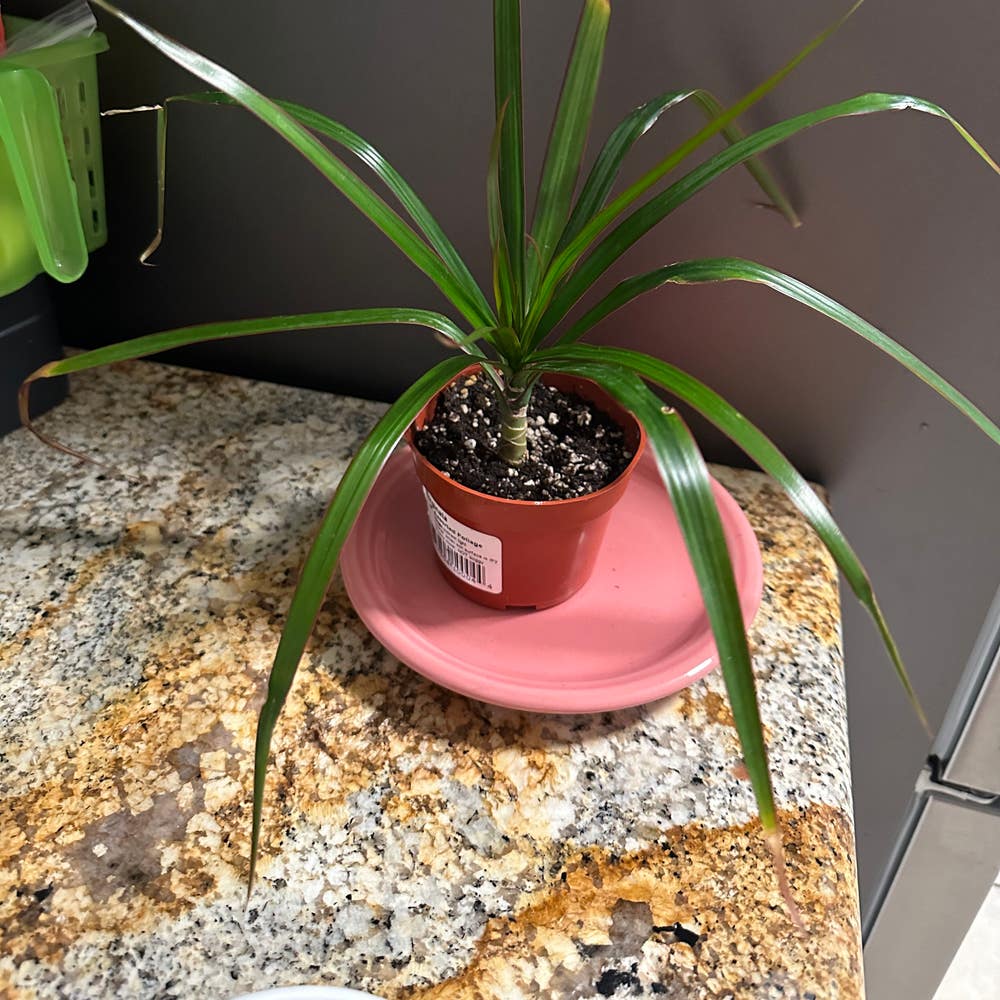
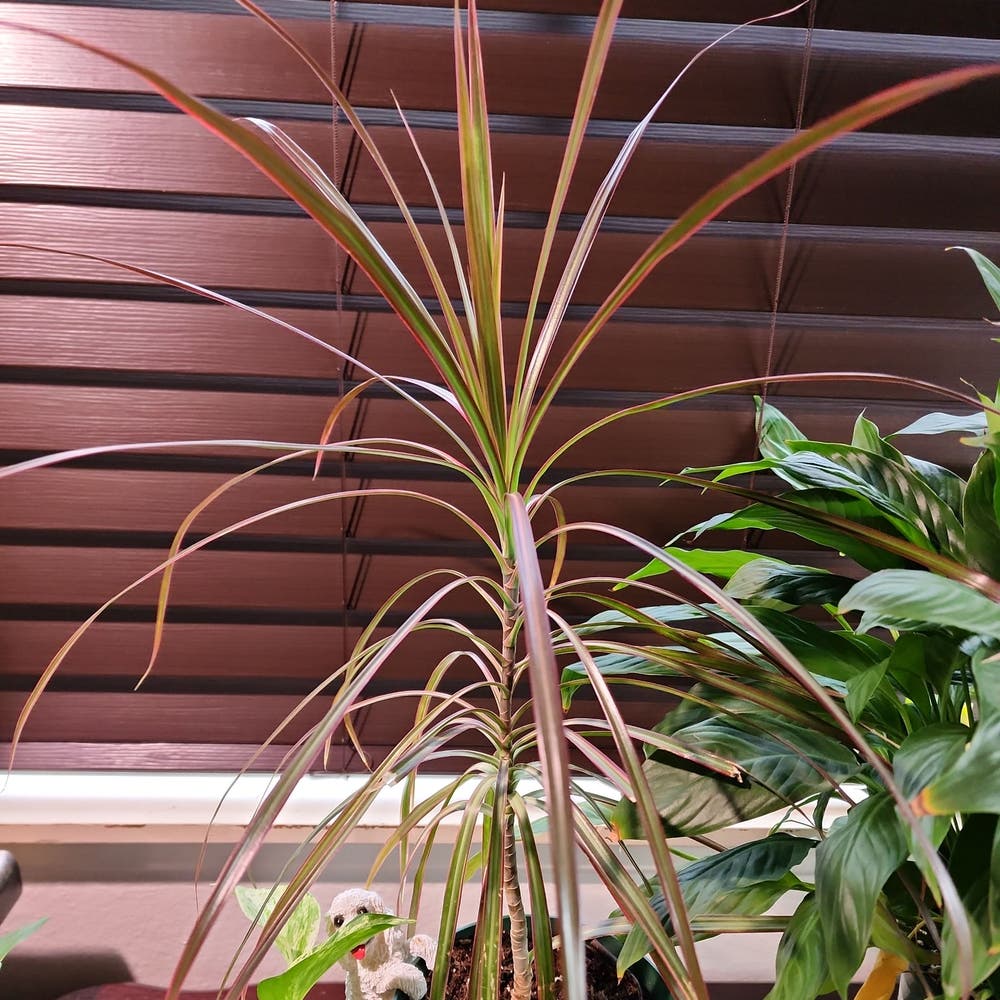
What You Should Know About Dracaena 'Bicolor' 🪴
Dracaena reflexa var. angustifolia 'Bicolor'
By the Greg Editorial Team
Jan 10, 2025•12 min read
This article was created with the help of AI so we can cover more plants for you. May contain errors. See one? Report it here.
Unlock the vibrant beauty of Dracaena 'Bicolor' with expert care tips for a thriving indoor oasis! 🌿✨
- 🌞 Dracaena 'Bicolor' thrives in bright, indirect light; avoid direct sunlight to prevent damage.
- 🌱 Water every 1-2 weeks and ensure well-draining soil to prevent root rot.
- 🐾 All parts are toxic to pets and humans; keep out of reach to ensure safety.
How to Grow
🌞 Choosing a Location
To thrive, Dracaena 'Bicolor' needs bright, indirect light indoors. Direct sunlight can scorch its leaves, so find a spot that offers filtered light.
Outdoors, this plant prefers warm, humid environments with partial shade. Too much sun can be just as harmful as too little.
🌱 Soil Preparation
For optimal growth, use a well-draining potting mix. Adding perlite or sand enhances aeration, which is crucial for healthy roots.
Aim for a soil pH between 6.0 and 7.0, as Dracaena 'Bicolor' flourishes in slightly acidic to neutral conditions.
🌿 Planting Techniques
When selecting a container, choose one that is 1-2 inches larger in diameter than the root ball. This allows room for growth without overwhelming the plant.
Ensure the root ball is level with the soil surface when planting. This helps prevent water from pooling around the roots.
💧 Watering Requirements
Water your Dracaena 'Bicolor' every 1-2 weeks, allowing the top inch of soil to dry out between waterings. This prevents overwatering, which can lead to root rot.
Watch for signs of overwatering, such as yellowing leaves and mushy roots. Adjust your watering schedule accordingly.
🌼 Fertilizing Schedule
During the growing season, fertilize monthly with a balanced liquid fertilizer. This supports healthy growth and vibrant foliage.
A recommended NPK ratio is 20-20-20 or a similar balanced formula. This ensures your plant receives essential nutrients.
✂️ Pruning Methods
Pruning helps maintain the shape of your Dracaena 'Bicolor.' Trim back any leggy growth and remove dead or damaged leaves to encourage new growth.
The best time to prune is in spring, aligning with the plant's natural growth cycle.
🔍 Ongoing Care Tips
Regularly inspect your plant for pests and diseases. Early detection can save your plant from serious issues.
Additionally, rotate the plant occasionally to promote even growth. This simple step can make a noticeable difference in its overall health.
With these care tips, your Dracaena 'Bicolor' will flourish, setting the stage for a vibrant indoor or outdoor display. Next, let's explore how to propagate this stunning plant!
Propagation
Stem Cuttings (difficulty: moderate) 🌱
Propagation through stem cuttings is a straightforward method for expanding your Dracaena 'Bicolor' collection. Start by selecting healthy stems that are 4-6 inches long and have at least one leaf.
Next, remove the lower leaves and dip the cut end in rooting hormone to encourage root development. Finally, place the cutting in a well-draining potting mix and keep it moist to promote growth.
Division (difficulty: moderate) ✂️
Dividing your Dracaena 'Bicolor' is another effective propagation technique. Begin by carefully removing the plant from its pot and gently separating the root ball into sections.
Ensure that each section has roots and at least one stem before replanting them in separate pots filled with fresh potting mix. This method not only propagates your plant but also rejuvenates the original plant.
Seed Propagation (difficulty: hard) 🌾
For those looking for a challenge, seed propagation is an option. Obtain seeds from mature plants or trusted sources to ensure quality.
Sow the seeds in a well-draining mix and keep them moist. Germination typically takes 2-4 weeks under warm conditions, so patience is key as you await the emergence of new life.
With these propagation methods, you can easily expand your Dracaena 'Bicolor' collection and enjoy the beauty of this striking plant in multiple locations. Next, let’s explore the lifecycle of this fascinating perennial.
Lifecycle
Lifecycle Stages 🌱
Dracaena 'Bicolor' is a perennial plant that can thrive for several years with the right care. Under optimal conditions, germination takes about 2-4 weeks, setting the stage for a vibrant life.
Seedling Development 🌿
Once germinated, seedlings will develop their first true leaves within 4-6 weeks. This early growth is crucial as it establishes the foundation for future health.
Growth Phases 📈
The plant enters a rapid growth phase that can last several months to a year. During this time, you can expect noticeable increases in height and foliage.
Maturity Timeline ⏳
Full maturity is typically reached in 2-3 years, with a moderate growth rate of about 12-24 inches per year. This steady growth makes Dracaena 'Bicolor' a rewarding addition to your indoor garden.
Key Takeaways
- Lifespan: Several years with proper care.
- Germination: 2-4 weeks.
- Seedling leaves: 4-6 weeks.
- Growth phase: Several months to a year.
- Maturity: 2-3 years, 12-24 inches per year.
Understanding the lifecycle of Dracaena 'Bicolor' helps you appreciate its growth journey. With this knowledge, you can provide the best care and enjoy its beauty for years to come.
Next, let's explore the plant's size and how it can fit into your space.
Size
Mature Height and Spread 🌳
Dracaena 'Bicolor' can grow impressively tall, reaching heights of 3 to 6 feet indoors. When planted outdoors in suitable conditions, it can soar up to 10 feet, making it a striking addition to any landscape.
Growth Rate Specifics 📈
This plant boasts a moderate growth rate, typically adding 12 to 24 inches each year. With the right care, you can witness its steady ascent and vibrant foliage.
Size Variability Based on Conditions ⚖️
Keep in mind that growth can be stunted in less-than-ideal conditions. Low light or poor soil can hinder its development, while optimal growth flourishes in bright, indirect light paired with proper watering techniques.
As you nurture your Dracaena 'Bicolor', remember that its size and health are reflections of the care you provide. Transitioning to the next section, let's explore the fascinating root system that supports this beautiful plant.
Roots
🌱 Root System Characteristics
Dracaena 'Bicolor' features a fibrous root system that is both shallow and extensive. This unique structure allows the roots to spread out rather than grow deep, making well-draining soil essential to prevent rot.
⚠️ Common Root-Related Issues
One of the most common problems is root rot, which occurs due to overwatering. Symptoms include wilting and yellowing leaves, signaling that your plant needs immediate attention.
Healthy roots should be firm and exhibit a white or light tan color. In contrast, unhealthy roots appear dark, mushy, or may even emit a foul smell.
If you notice roots growing out of drainage holes or circling the pot, your plant is likely rootbound. The solution is simple: repot into a larger container to give those roots room to thrive.
Understanding the root system and potential issues can significantly enhance your care routine for Dracaena 'Bicolor'. With the right attention, your plant will flourish, showcasing its stunning foliage for years to come.
Next, let’s explore the numerous benefits of having this beautiful plant in your home.
Benefits
Top 5 Benefits 🌟
Dracaena 'Bicolor' offers a variety of advantages that make it a popular choice for plant enthusiasts. Here are the top five benefits:
1. Air Purification
This plant is known for its air-purifying qualities. It effectively removes toxins from the air, contributing to a healthier indoor environment.
2. Aesthetic Appeal
With its striking foliage, Dracaena 'Bicolor' enhances any interior design. Its unique colors and shapes can serve as a stunning focal point in your home.
3. Low Maintenance
One of the best features of this plant is its low maintenance requirements. It thrives with minimal care, making it perfect for busy individuals or novice plant owners.
4. Humidity Regulation
Dracaena 'Bicolor' helps regulate indoor humidity levels. This can be especially beneficial in dry environments, promoting a more comfortable living space.
5. Symbolism
In various cultures, this plant symbolizes prosperity and good fortune. Having it in your home can add a touch of positive energy and good vibes.
These benefits make Dracaena 'Bicolor' not just a beautiful addition to your space but also a practical one. As you consider adding this plant to your collection, keep in mind how it can enhance your environment and well-being.
Next, let's explore the best companion plants that thrive alongside Dracaena 'Bicolor'.
Companion Plants
Best Companion Plants 🌿
When choosing companion plants for Dracaena 'Bicolor', consider the Peace Lily. This plant shares similar light and water requirements, making it an ideal partner.
Another excellent choice is the Spider Plant. Not only does it thrive in similar conditions, but it also helps repel pests, ensuring a healthier environment for your Dracaena.
Plants to Avoid 🚫
On the flip side, steer clear of Cacti. These spiky companions compete for water and may struggle in the humidity levels that Dracaena 'Bicolor' prefers.
By selecting the right companions, you can create a thriving indoor garden that enhances the beauty and health of your Dracaena 'Bicolor'. Next, let’s explore the potential toxicity of this plant to humans, dogs, and cats.
Toxicity to Humans
Toxic Parts 🧪
Dracaena 'Bicolor' is not just a pretty face; all parts of this plant are considered toxic, with the leaves being particularly hazardous. If ingested, you might experience nausea, vomiting, diarrhea, abdominal pain, dizziness, confusion, and in severe cases, neurological symptoms.
How Poisoning Occurs 🚨
Poisoning can happen through various means: ingestion of the plant, exposure to its sap, or even inhaling smoke from burning the plant material. If you suspect ingestion or experience severe symptoms, seek immediate medical attention.
Safety Precautions 🛡️
To keep your home safe, consider placing this plant out of reach of children and pets. Awareness is key; knowing the risks can help you enjoy your Dracaena 'Bicolor' without worry.
Conclusion 📜
While Dracaena 'Bicolor' adds a vibrant touch to your space, it's essential to respect its toxicity. Stay informed and handle this plant with care to ensure a safe and beautiful environment.
Next, let’s explore how this plant can affect our furry friends, particularly dogs.
Toxicity to Dogs
Toxic Parts 🐶
Dracaena 'Bicolor' is harmful to dogs, with all parts of the plant being toxic, particularly the leaves. If your furry friend takes a nibble, it's crucial to act quickly.
Symptoms of Poisoning 🤢
Watch for signs of poisoning, which can include drooling, vomiting, diarrhea, weakness, tremors, and respiratory distress. If you notice any of these symptoms after potential ingestion, seek immediate veterinary assistance.
Prevention Tips 🛡️
To keep your dog safe, consider placing your Dracaena 'Bicolor' out of reach or in a location that’s inaccessible. Regularly educate yourself about the plants in your home to ensure a safe environment for your pets.
Conclusion 📜
Being aware of the toxicity of Dracaena 'Bicolor' to dogs is essential for pet owners. By taking preventive measures, you can enjoy the beauty of this plant while keeping your canine companions safe.
Next, let’s explore the toxicity of Dracaena 'Bicolor' to cats, as they too can be affected by this striking houseplant.
Toxicity to Cats
Toxic Parts 🐾
Dracaena 'Bicolor' is not safe for our feline friends. All parts of the plant are toxic, with the leaves being particularly harmful.
Symptoms of Poisoning 🤢
If a cat ingests any part of this plant, watch for symptoms like drooling, vomiting, diarrhea, weakness, tremors, and respiratory distress.
Immediate Action 🚑
If you suspect your cat has eaten Dracaena 'Bicolor', seek veterinary care immediately. Quick action can make a significant difference in your pet's recovery.
Understanding the toxicity of houseplants is crucial for pet owners. Keeping Dracaena 'Bicolor' out of reach can help ensure a safe environment for your curious cats.
Problems
Common Problems 🌱
Dracaena 'Bicolor' can face several common issues that may affect its health and appearance.
- Overwatering: This is a leading cause of problems, with symptoms like yellowing leaves and root rot.
- Underwatering: Conversely, if the plant is thirsty, you may notice wilting and crispy leaf edges.
- Incorrect Light Conditions: Direct sunlight can scorch the leaves, leading to unsightly damage.
- Diseases: Watch out for powdery mildew and root rot, which can be detrimental if not addressed.
- Leaf Issues: Yellowing or fuzzy growth can indicate underlying problems that need attention.
Solutions for Common Issues 🛠️
Fortunately, many of these problems have straightforward solutions.
- Adjust Watering Schedule: Monitor soil moisture and water accordingly to prevent over or underwatering.
- Relocate the Plant: If light conditions are incorrect, move your Dracaena to a spot with bright, indirect light.
- Treat Diseases: Use fungicides for diseases or improve air circulation to help combat issues.
- Trim Damaged Leaves: Regularly prune any damaged foliage to promote healthy new growth.
- Repot if Necessary: If your plant is rootbound or suffering from root rot, consider repotting into a larger container.
By staying vigilant and proactive, you can keep your Dracaena 'Bicolor' thriving and looking its best. Next, let’s explore potential pest issues that could affect your plant.
Bugs
🐜 Potential Pest Issues
While Dracaena 'Bicolor' is generally pest-resistant, it can still fall victim to a few pesky intruders. Keeping an eye out for spider mites and mealybugs is essential; spider mites leave fine webbing on leaves, while mealybugs appear as cotton-like clusters on stems and leaves.
🔍 Identification of Pests
Recognizing these pests early can save your plant from significant damage. If you notice any signs of infestation, act quickly to protect your Dracaena.
🧴 Treatment Options
For treatment, neem oil or insecticidal soap works wonders. Regularly inspecting and cleaning the leaves can also help prevent infestations before they start.
🛡️ Prevention Tips
To keep your plant thriving, maintain a routine of checking for pests. A little vigilance goes a long way in ensuring your Dracaena remains healthy and vibrant.
By staying proactive, you can enjoy the beauty of your Dracaena 'Bicolor' without the worry of unwanted pests. Next, let’s explore what animals might be attracted to this stunning plant and how to deter them effectively.
What Eats
🦌 Common Animals
Dracaena 'Bicolor' can attract a variety of animals, including deer, rabbits, squirrels, and rodents. These creatures may find the plant's foliage appealing, leading to potential damage.
🕵️♂️ Signs of Animal Presence
Look for signs like chewed leaves, droppings, or tracks around your plant. These indicators can help you identify if your Dracaena is being nibbled on.
🐾 Damage Caused by Animals
When animals browse on the leaves, it can stunt growth and create an unsightly appearance. This not only affects the plant's health but also its aesthetic appeal in your space.
🚫 Deterrent Methods
To protect your Dracaena, consider using fencing, repellents, or companion plants that deter these animals. Implementing these strategies can help keep your plant safe and thriving.
As you care for your Dracaena 'Bicolor', staying vigilant about potential pests and animal visitors will ensure it remains healthy and vibrant. Next, let’s explore how to tackle common problems that may arise in your plant care journey.
⚠️ Safety First
This content is for general information and may contain errors, omissions, or outdated details. It is not medical, veterinary advice, or an endorsement of therapeutic claims.
Always consult a qualified healthcare professional before using any plant as food, medicine, or supplement.
Never eat any plant (or feed one to pets) without confirming its identity with at least two trusted sources.
If you suspect poisoning, call Poison Control (800) 222-1222, the Pet Poison Helpline (800) 213-6680, or your local emergency service immediately.
Spotted an error? Please report it here.
Nurture your Dracaena 'Bicolor' with tailored care tips and reminders from Greg, ensuring it not only survives 🌿 but truly thrives in your home!