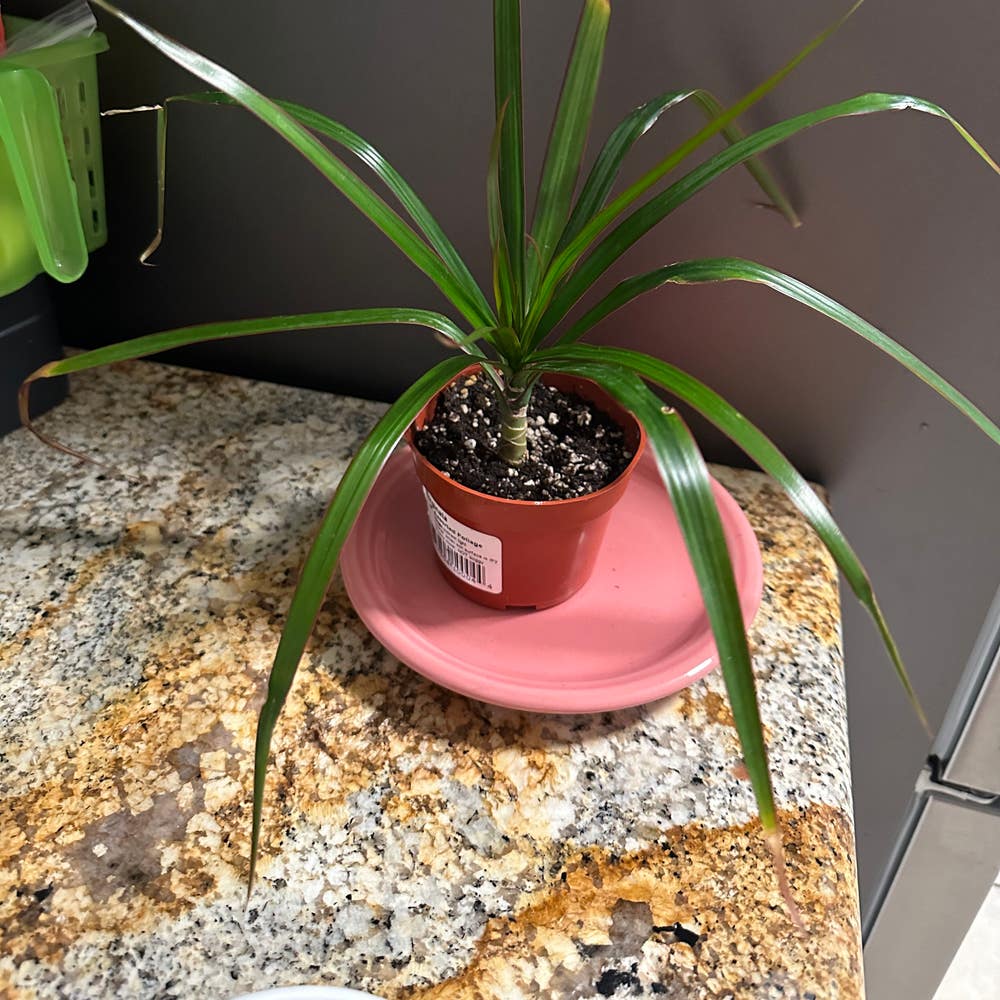
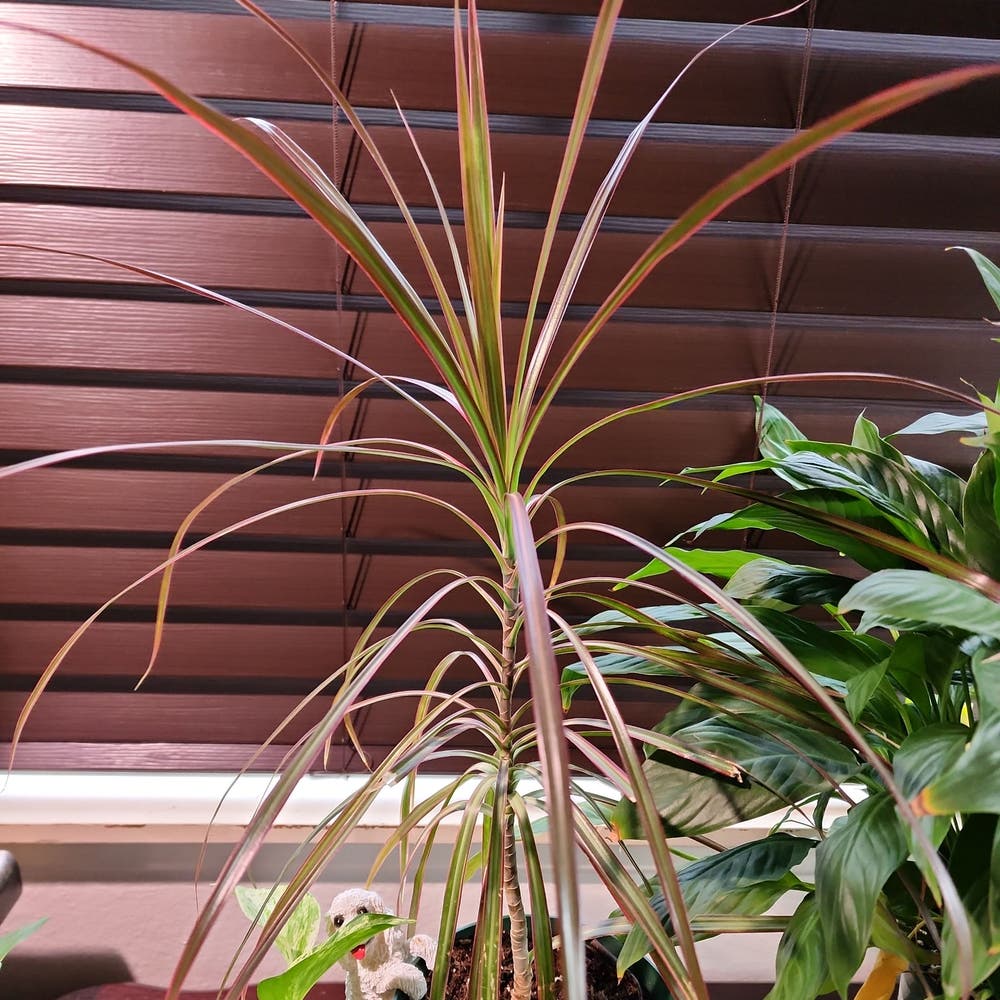
🌞 Does My Dracaena marginata 'Bicolor' Need Direct Sunlight?
Dracaena reflexa var. angustifolia 'Bicolor'
By the Greg Editorial Team
Jun 18, 2024•3 min read
This article was created with the help of AI so we can cover more plants for you. May contain errors. See one? Report it here.
Learn to shield your Dracaena 'Bicolor' 🌿 from harsh sun for lush, vibrant leaves! 🌤️
- Bright, indirect light keeps Dracaena marginata 'Bicolor' leaves vibrant.
- 🌞 Direct sunlight can cause bleaching and crispy tips.
- Monitor and adjust exposure to prevent distress and maintain health.
Sunlight and Your Dracaena marginata 'Bicolor'
🌞 What's the Deal with Direct Sunlight?
Let's get this straight: direct sunlight is like the sun's laser beam, while indirect light is its gentle hug. For kids, imagine direct sunlight as the superhero of light, super strong and powerful. Indirect sunlight? That's the sidekick, still cool but not as intense.
🌟 The Ideal Light for Your Dracaena
Your Dracaena marginata 'Bicolor' is a bit of a diva when it comes to light. It loves the spotlight but without the sizzle. Bright, indirect light is its jam, keeping those leaves vibrant without the drama of a sunburn.
☀️ When Direct Sunlight Strikes
Sometimes, despite our best efforts, the sun sneaks up on our leafy friends. If your Dracaena starts rocking a bleached look or crispy tips, it's crying out for help. It's saying "ouch" to direct sun and needs you to dial down the rays, stat.

Window Wisdom: Finding the Perfect Spot
🧭 North, South, East, or West?
Finding the perfect spot for your Dracaena marginata 'Bicolor' is like choosing the best seat in a movie theater. It's all about viewing angle. In the Northern Hemisphere, south-facing windows are the VIP section for sunlight, but for your Dracaena, that's overkill. North-facing windows offer a milder light that won't toast its leaves. Flip everything if you're in the Southern Hemisphere—north-facing windows there are like the south-facing ones up north.
🌍 Hemisphere Hints
Your global address changes the sunlight game. Near the equator, sunlight is intense year-round, so indirect light is the mantra. Farther from the equator, seasons dictate your moves. In summer, your Dracaena might need a step back from the window to dodge the harsh sun. Come winter, inch it closer to catch those weak rays. It's a delicate tango with the sun, and you're the lead dancer.

Protecting Your Plant from Too Much Sun
🕶️ Sun Shields and Light Filters
Sheer curtains are your Dracaena's best friend when it comes to softening the blow of direct sunlight. They're like sunglasses for your plant, allowing it to enjoy the light without the risk of getting a sunburn. If curtains aren't your style, window films can be a low-profile alternative, keeping your plant's leaves from looking like they just got back from a trip to the Sahara.
Acclimatization: A Gentle Introduction to Sun
Gradually introducing your Dracaena to more light is like easing into a hot bath—it's all about avoiding shock. Start by placing your plant in a spot with filtered light, then slowly shift it closer to the sun's rays over a few weeks. This is not a race; it's a slow dance with Mother Nature. Keep an eye out for signs of distress, like leaves that crisp up faster than bacon in a hot pan. If that happens, dial it back. Remember, hydration is key during this period—water your plant a bit more frequently to help it cope with the increased exposure.

Seasonal Sunlight Strategies
🌞 Summer vs. Winter Sun
In the summer, your Dracaena marginata 'Bicolor' could use a bit of a retreat from the window. Think of it as a plant vacation from the harsh sun. Winter, on the other hand, is like a spa day with milder rays; cozying up to the glass is just what your green buddy needs.
Monitoring and Adapting
Keep a vigilant eye on your leafy charge. If it starts to lean like it's eavesdropping on the cactus, it's craving more light. Scorched tips? It's pleading for some shade. Adjust its spot like you're tweaking your fantasy football lineup—strategically and often.
⚠️ Safety First
This content is for general information and may contain errors, omissions, or outdated details. It is not medical, veterinary advice, or an endorsement of therapeutic claims.
Always consult a qualified healthcare professional before using any plant as food, medicine, or supplement.
Never eat any plant (or feed one to pets) without confirming its identity with at least two trusted sources.
If you suspect poisoning, call Poison Control (800) 222-1222, the Pet Poison Helpline (800) 213-6680, or your local emergency service immediately.
Spotted an error? Please report it here.
Ensure your Dracaena marginata 'Bicolor' leaves stay vibrant 🌞 with Greg's personalized light monitoring, keeping those sunburns at bay!