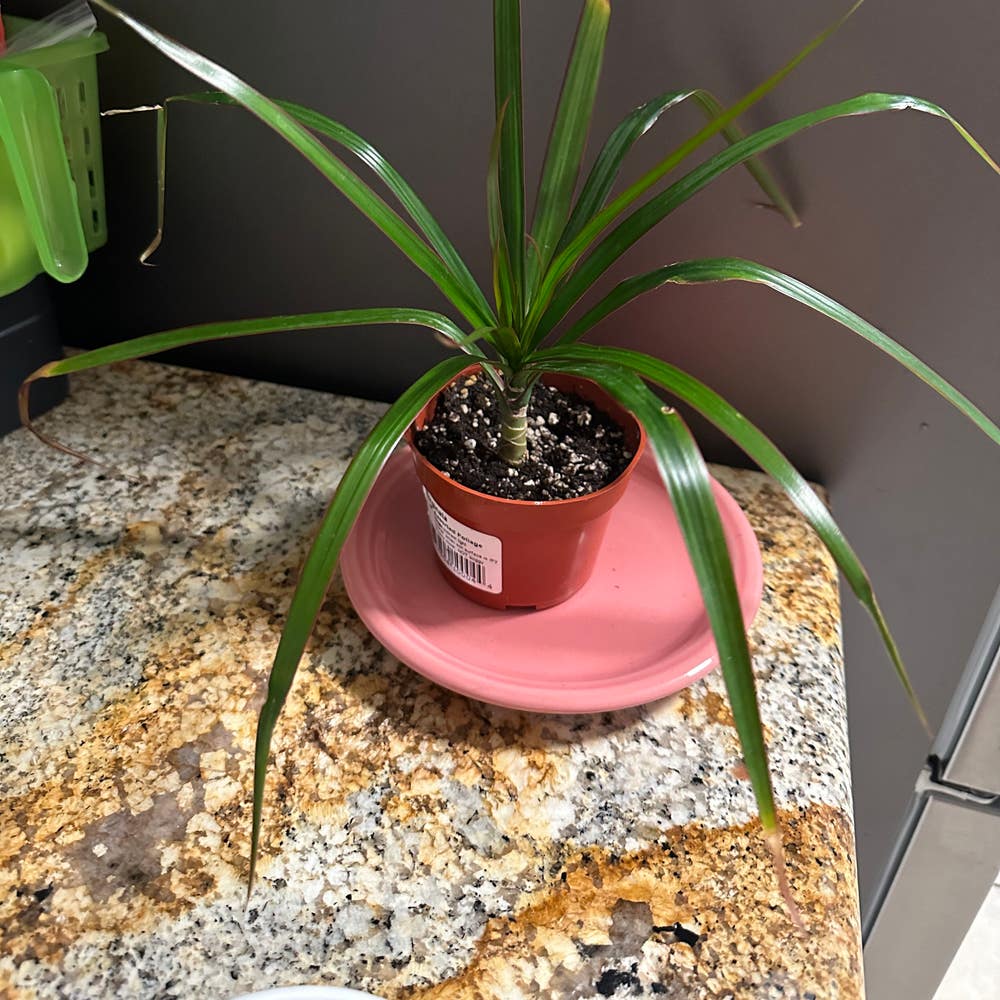
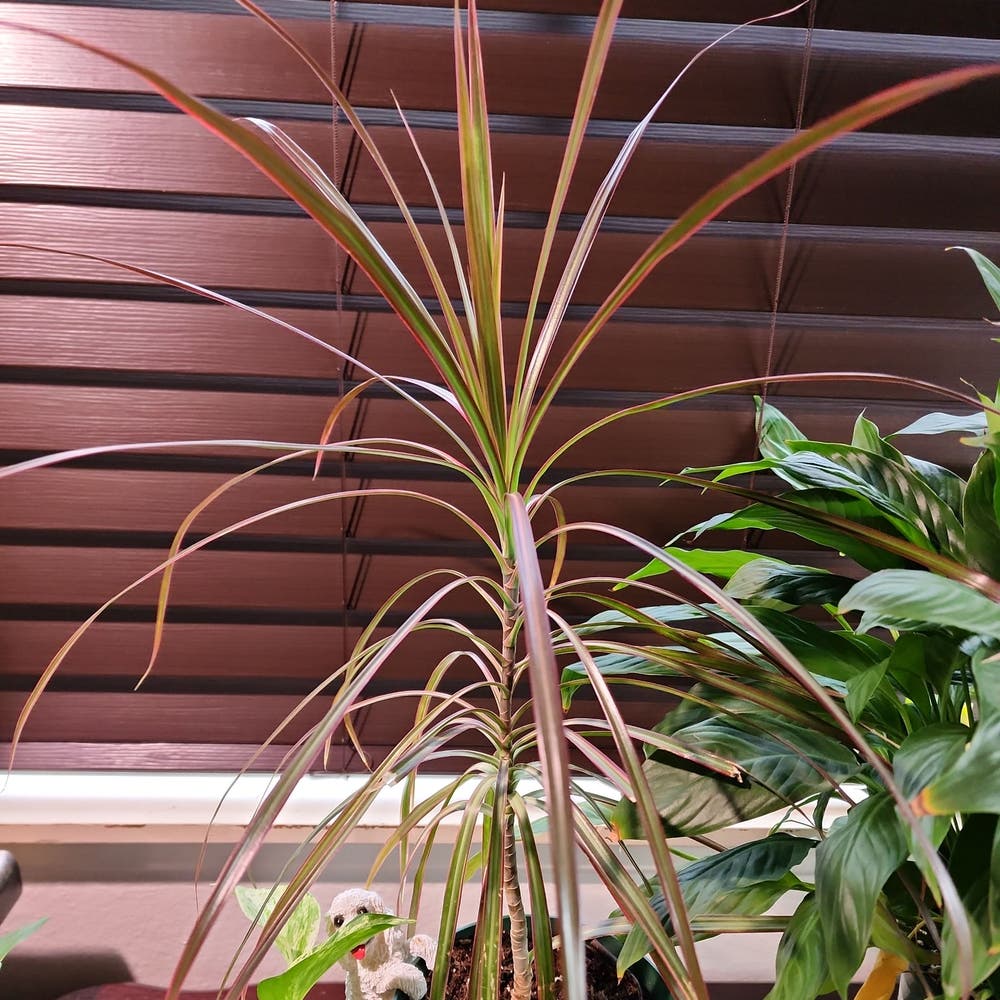
🍂 Why Does My Dracaena marginata 'Bicolor' Have Yellow Leaves?
Dracaena reflexa var. angustifolia 'Bicolor'
By the Greg Editorial Team
Jun 18, 2024•4 min read
This article was created with the help of AI so we can cover more plants for you. May contain errors. See one? Report it here.
Unearth the secret to banishing yellow leaves 🍂 from your Dracaena and keep it thriving with our expert guide.
- 💧 Over/underwatering causes yellow leaves; water when top inch of soil is dry.
- ☀️🌡️ Bright, indirect light and stable temps (65-75°F) keep Dracaena healthy.
- 🌱 Nutrient balance is crucial; use half-strength fertilizer monthly in growing season.
Pinpointing the Culprits Behind Yellow Leaves
🚰 Over or Underwatering Woes
Signs Your Dracaena Marginata 'Bicolor' Is Thirsty or Drowning
Yellow leaves on your Dracaena marginata 'Bicolor' might scream overwatering louder than a toddler who's lost their ice cream. Check the soil: if it's more swamp than desert, you've overdone it. Underwatering leaves the soil dry and your plant droopy, like it's been on a juice cleanse for too long.
💧 The Goldilocks Zone: Finding the Watering Sweet Spot
The sweet spot for watering is like a perfect espresso shot—not too much, not too little. Let the top inch of soil dry out before giving it a drink. Remember, your Dracaena's not a camel, nor does it want to swim.
🌞 Light and Temperature: Finding the Balance
The Sunshine Dilemma: Too Much or Too Little?
Your Dracaena marginata 'Bicolor' needs that bright, indirect light like a good selfie—no harsh shadows. Direct sunlight is a no-no; it's like putting your plant in the middle of a dance floor at noon.
❄️ Keeping It Cool: Temperature Tips for a Happy Dracaena
Keep the temperature between 65-75°F (18-24°C). Anything more, and your Dracaena might start sweating more than a nervous comedian on open mic night.
🍽️ Nutrient Know-How: Feeding Your Dracaena Right
Spotting the Signs of Nutrient Deficiencies
Yellow leaves can also mean your plant is hungry for nutrients. If it's looking more washed out than a faded band t-shirt, it might be craving nitrogen or iron.
💡 The Menu for Health: What Nutrients Your Dracaena Craves
Feed your Dracaena a balanced fertilizer, but don't overdo it—it's a meal, not an all-you-can-eat buffet. Think of it as a nutrient smoothie for your leafy friend.

Turning Over a New Leaf: Remedies for Yellowing
💧 Watering Wisdom: Quenching Your Plant's Thirst Properly
Ditch the daily drench and embrace a weekly watering ritual. Your Dracaena marginata 'Bicolor' isn't a fan of soggy feet. Stick to hydrating when the top inch of soil is dry to the touch.
Get tactile with the soil to gauge moisture levels. If it clings to your fingers like a needy ex, it's too wet. If it's as dry as your humor, it's time for a drink.
🌞 Light and Temperature Tactics
Bright, indirect light is the sweet spot for your leafy companion. Direct sunlight is a no-go—it's like sending your plant to a tanning bed with no protective goggles.
Keep it cozy, but not too cozy. Room temperature is the Dracaena's jam. Avoid the drama of temperature swings; they're as unwelcome as a plot twist in a bad novel.
🍽️ Nutrient Boosts: Fertilizing for Vibrant Leaves
Half-strength liquid fertilizer is the secret sauce for your Dracaena. Feed it monthly in the growing season, but let it fast in the winter.
Timing is everything. Think of fertilizing like seasoning food; too much ruins the dish, but just the right amount? Chef's kiss.

Preventing Yellow Leaves: Proactive Plant Parenting
🌱 Consistency is Key: Routine Care for Dracaena marginata 'Bicolor'
Crafting a care schedule that keeps yellow at bay is like setting an alarm; it's essential for timely intervention. Water your Dracaena when the top inch of soil is dry, but don't let it sit thirsty for too long.
Observing and adapting to your plant's needs is not unlike updating your apps; it keeps things running smoothly. If your Dracaena starts to yellow, reassess your care routine and tweak as necessary.
🛠️ Vigilance and Maintenance: Keeping Your Dracaena in Check
Regular inspections are your plant's check-ups. Look for signs of distress like yellowing leaves, which could signal a need for change.
Pruning and cleaning are as crucial as brushing your teeth. Remove dead leaves to prevent decay and disease, and wipe the dust off with a damp cloth to keep the photosynthesis process unobstructed.

⚠️ Safety First
This content is for general information and may contain errors, omissions, or outdated details. It is not medical, veterinary advice, or an endorsement of therapeutic claims.
Always consult a qualified healthcare professional before using any plant as food, medicine, or supplement.
Never eat any plant (or feed one to pets) without confirming its identity with at least two trusted sources.
If you suspect poisoning, call Poison Control (800) 222-1222, the Pet Poison Helpline (800) 213-6680, or your local emergency service immediately.
Spotted an error? Please report it here.
Keep your Dracaena marginata 'Bicolor' thriving 🌿 with Greg's custom watering reminders, ensuring you strike the perfect moisture balance to prevent yellow leaves.