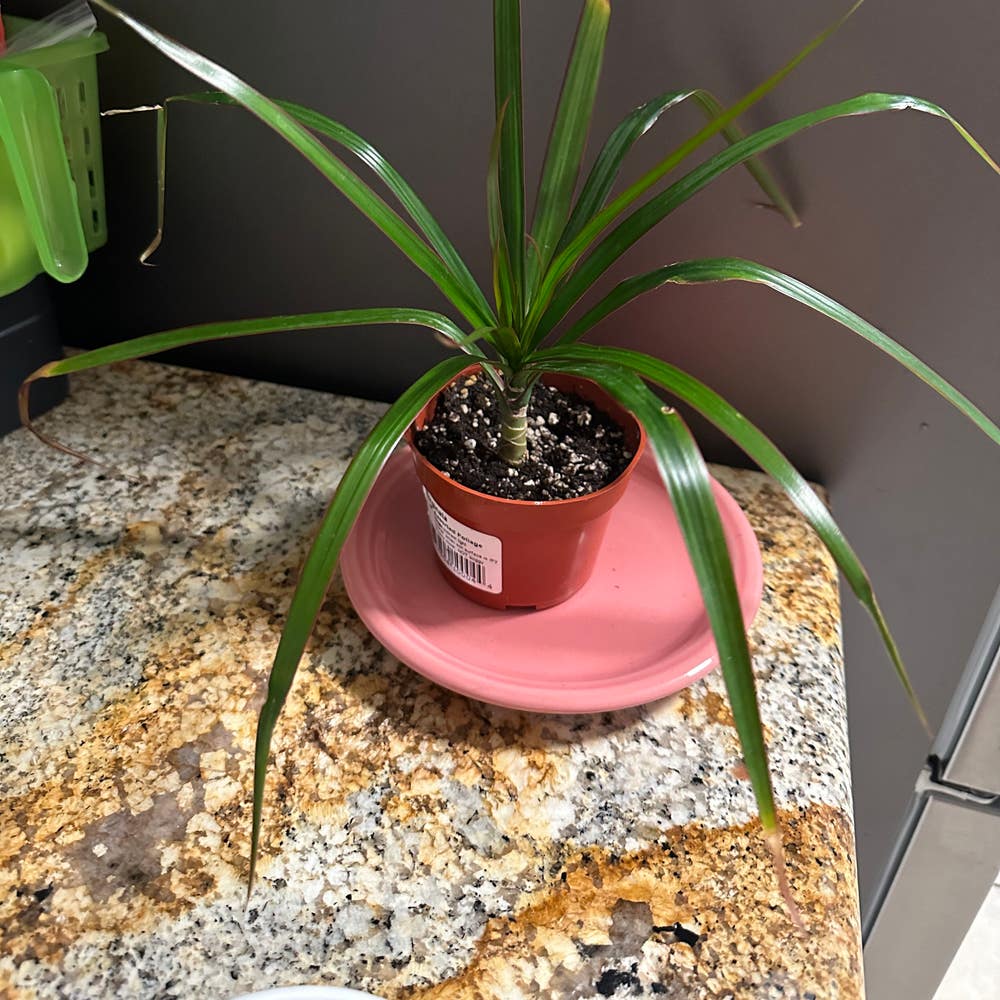
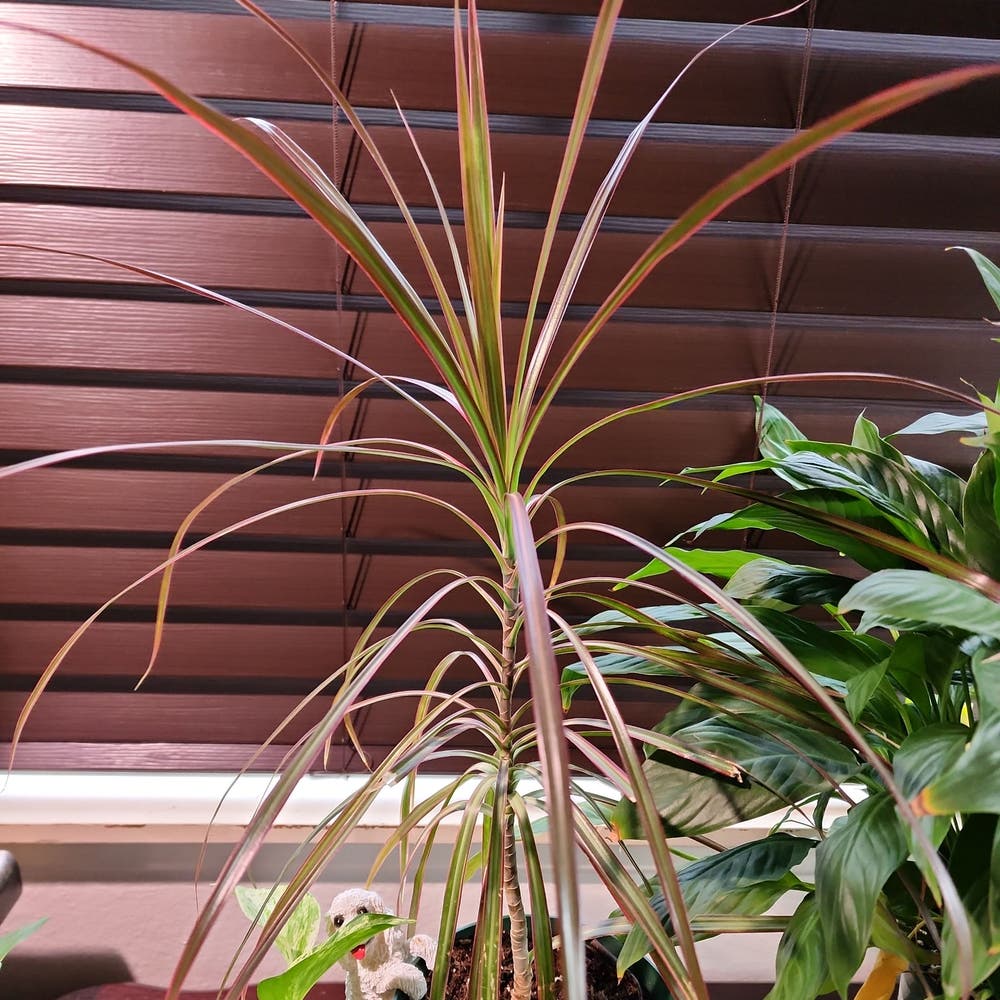
How Should Dracaena marginata 'Bicolor' Be Cut Back?
Dracaena reflexa var. angustifolia 'Bicolor'
By the Greg Editorial Team
Jun 18, 2024•4 min read
This article was created with the help of AI so we can cover more plants for you. May contain errors. See one? Report it here.
Prune your way to a thriving Dracaena 'Bicolor' 🌿—learn the when, how, and why for perfect cuts.
- 🌱 Prune in spring/summer during active growth for robust Dracaena.
- ✂️ Use sharp, sterilized shears for healthy cuts and disease prevention.
- 🌿 Pinch tips, chop tops to manage bushiness and height.
Timing is Everything: When to Wield the Shears
🌱 Seasonal Smarts: Best times of year to prune for robust growth
Spring and summer are the VIP seasons for pruning your Dracaena marginata 'Bicolor'. It's when the plant is in active growth mode, ready to heal and push out new foliage like it's on a mission. Think of it as the plant's personal growth spurt; you're just giving it a little nudge.
🌿 Plant Lifecycle: Understanding when your Dracaena is ready for a trim
Keep an eye out for cues like legginess or a crowded appearance. If your Dracaena starts looking more like a spindly octopus than a plant, it's time for a trim. Early spring is the golden hour, right before the plant kicks into high gear for the growing season. It's like catching the plant right before it hits the plant gym – timing is everything.

Tools of the Trade: Gearing Up for Pruning
🛠️ Choosing Your Arsenal: Selecting the right tools for the job
Sharpness is non-negotiable. Reach for pruning shears or scissors that promise precision. They should feel like an extension of your hand, ready to make those decisive cuts with finesse. Think of them as your plant's best friend—or its worst enemy if you choose poorly.
🧼 Clean Cuts: The importance of sterilizing your equipment
Sterilization isn't just for surgeons. Before you make the first incision, douse your tools in rubbing alcohol. It's like sending your shears to a spa—except instead of relaxation, they're getting prepped to fight the microbial hordes. After each cut, wipe them down to keep diseases at bay. It's the plant equivalent of washing your hands during flu season—basic, but life-saving.

The Art of Pruning Dracaena Marginata 'Bicolor'
✂️ Strategic Snipping: Techniques for shaping and encouraging bushiness
Timing is crucial when you're about to give your Dracaena marginata 'Bicolor' a haircut. Spring is when you should be eyeing those shears, as the plant kicks into growth mode. Pinch the tips of new shoots to encourage branching, which translates to a fuller, more robust plant. Think of it as a nudge for your Dracaena to spread its wings, minus the feathers.
📏 Height Management: How to control the vertical aspirations of your Dracaena
Got a Dracaena dreaming of being a skyscraper? Reign it in by chopping the top. This bold move not only curbs its vertical enthusiasm but also prompts the growth of side shoots. If you're after that tree-like vibe, strip the lower leaves and let the top flourish. For a bushier look, cut the main stem and watch as your plant gets the message to grow out, not up.
🍂 Leaf Lifespan: Spotting and removing leaves that are past their prime
Leaves yellowing or browning at the tips? It's not a fashion statement; it's a cry for help. Snip off these unsightly bits to prevent potential spread of damage. Make your cuts where the healthy green starts to keep your Dracaena looking sharp. Regular pruning of these old leaves will ensure your plant doesn't waste energy on the lost causes and focuses on flaunting its green glory.

After the Chop: Ensuring a Graceful Recovery
🌱 Post-Pruning Care: What to do after cutting back
After you've given your Dracaena marginata 'Bicolor' a trim, it's time for some plant TLC. Hydrate immediately to help it recover from the shock, but don't go overboard—waterlogged roots are no joke. Ensure the plant has access to adequate light; this isn't the time for a shady retreat. Hold off on fertilizing; your plant isn't ready to feast just yet. Instead, consider a light snack of vitamin B complex to pamper those roots.
🕵️ Watchful Waiting: Monitoring your plant for signs of stress or disease
Keep a close eye on your green buddy. New growth is a high-five for your pruning skills, but if you spot droopy leaves or discoloration, it's a red flag. Adjust care as needed; your plant's trying to communicate. Clean up any fallen leaves or debris to prevent disease from crashing the party. If you're feeling adventurous, mist the cuts to help them heal. And remember, patience is key—your plant doesn't bounce back overnight.
⚠️ Safety First
This content is for general information and may contain errors, omissions, or outdated details. It is not medical, veterinary advice, or an endorsement of therapeutic claims.
Always consult a qualified healthcare professional before using any plant as food, medicine, or supplement.
Never eat any plant (or feed one to pets) without confirming its identity with at least two trusted sources.
If you suspect poisoning, call Poison Control (800) 222-1222, the Pet Poison Helpline (800) 213-6680, or your local emergency service immediately.
Spotted an error? Please report it here.
Prune your Dracaena marginata 'Bicolor' to perfection ✂️ with Greg's personalized care reminders, ensuring a lush and healthy plant from the tips in this article.