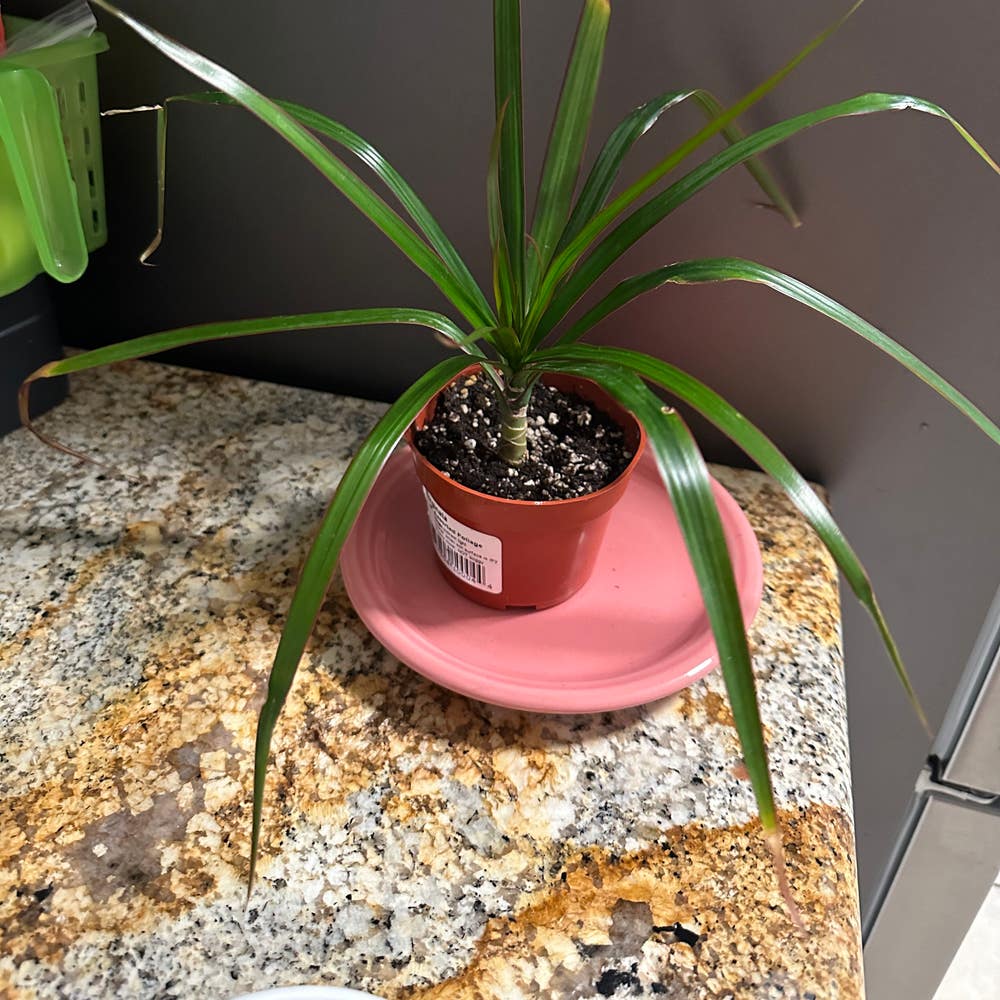
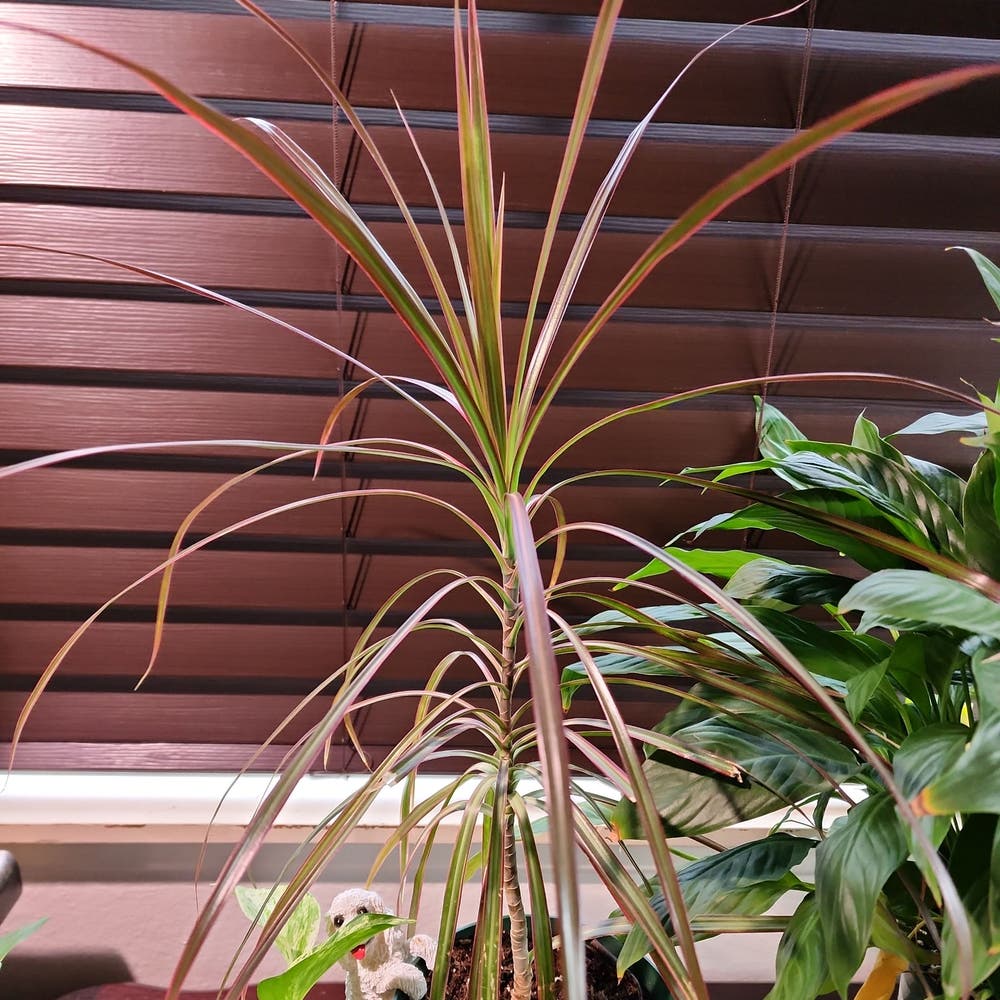
Diagnosing Dracaena Marginata 'Bicolor' Root Rot
Dracaena reflexa var. angustifolia 'Bicolor'
By the Greg Editorial Team
Jun 18, 2024•3 min read
This article was created with the help of AI so we can cover more plants for you. May contain errors. See one? Report it here.
Rescue your Dracaena from root rot with these crucial, life-saving care tips! 🚑🌿
- Yellow, wilting leaves and mushy roots signal root rot in Dracaena.
- Immediate action: Adjust watering, improve drainage, prune damaged roots.
- Prevent with proper soil, moisture meters, and pots with drainage holes.
Spotting the Red Flags: Symptoms of Root Rot in Your Dracaena
🚩 Visual Distress Signals
Yellowing leaves are the Dracaena's distress flare, signaling something's amiss below the surface. Wilting and browning leaves are the plant's equivalent of waving a white flag in defeat. Stunted growth and limp stems are your cue to get sleuthing; this isn't just a bad plant day.
🕵️ Below the Soil: Unearthing the Problem
Roots should be firm and white, not a mushy, brown mess that smells like last week's forgotten leftovers. Foul odors and roots that feel like overripe bananas are the telltale signs of root rot. If your plant's roots look like they belong in a horror movie, it's time for some serious intervention.

First Response: Immediate Actions to Combat Root Rot
🌧️ Drying Out: Creating a Better Environment for Recovery
When root rot strikes your Dracaena marginata 'Bicolor', think of it as a plant ER situation. Immediate action is crucial.
- Adjust watering: Overzealous watering is a no-go. Wait until the topsoil feels like a dry summer day before giving your plant a sip.
- Soil drainage: Mix in some perlite or sand to get that water moving. If your plant's in a pot, make sure it's not swimming in a clay bowl without drainage.
🏥 Surgical Precision: Pruning the Damaged Roots
Grab your sterilized shears—it's time for some root triage.
- Remove affected roots: If it's mushy or smells like last week's leftovers, it's got to go.
- Encourage regrowth: After the amputation, let the roots have a breather. Think of it as a hard reset for your plant's underground network.

Building Defenses: Long-Term Strategies to Prevent Root Rot
🚰 Water Wisely: Balancing Moisture Levels
Watering is more art than science. It's about reading the room—or in this case, the soil. Dryness should be your cue to water, not a calendar. Stick your finger in the soil; if it's dry a couple of inches down, it's time to hydrate. But remember, moderation is key.
Using a moisture meter can take the guesswork out of watering. It's like having a direct line to your plant's thirst level. No more overzealous watering; just cold, hard data to guide you.
🌱 Soil and Pot Selection: Laying the Foundation for Health
Soil mix matters. Think of it as your plant's bed—comfort is crucial. A mix that drains well yet retains the right amount of moisture is like a dream mattress for roots. Add in some perlite or sand to keep it airy.
Drainage holes in pots aren't optional; they're your plant's lifeline. Without them, you're basically asking your plant to sleep with its feet wet. And no one likes that, not even plants. So, make sure your pot's got holes to let excess water escape, like a safety valve for root health.

⚠️ Safety First
This content is for general information and may contain errors, omissions, or outdated details. It is not medical, veterinary advice, or an endorsement of therapeutic claims.
Always consult a qualified healthcare professional before using any plant as food, medicine, or supplement.
Never eat any plant (or feed one to pets) without confirming its identity with at least two trusted sources.
If you suspect poisoning, call Poison Control (800) 222-1222, the Pet Poison Helpline (800) 213-6680, or your local emergency service immediately.
Spotted an error? Please report it here.
Combat dracaena marginata 'bicolor' root rot with confidence, and let Greg's moisture metering 🌧️ keep your green friend thriving with just the right amount of water.