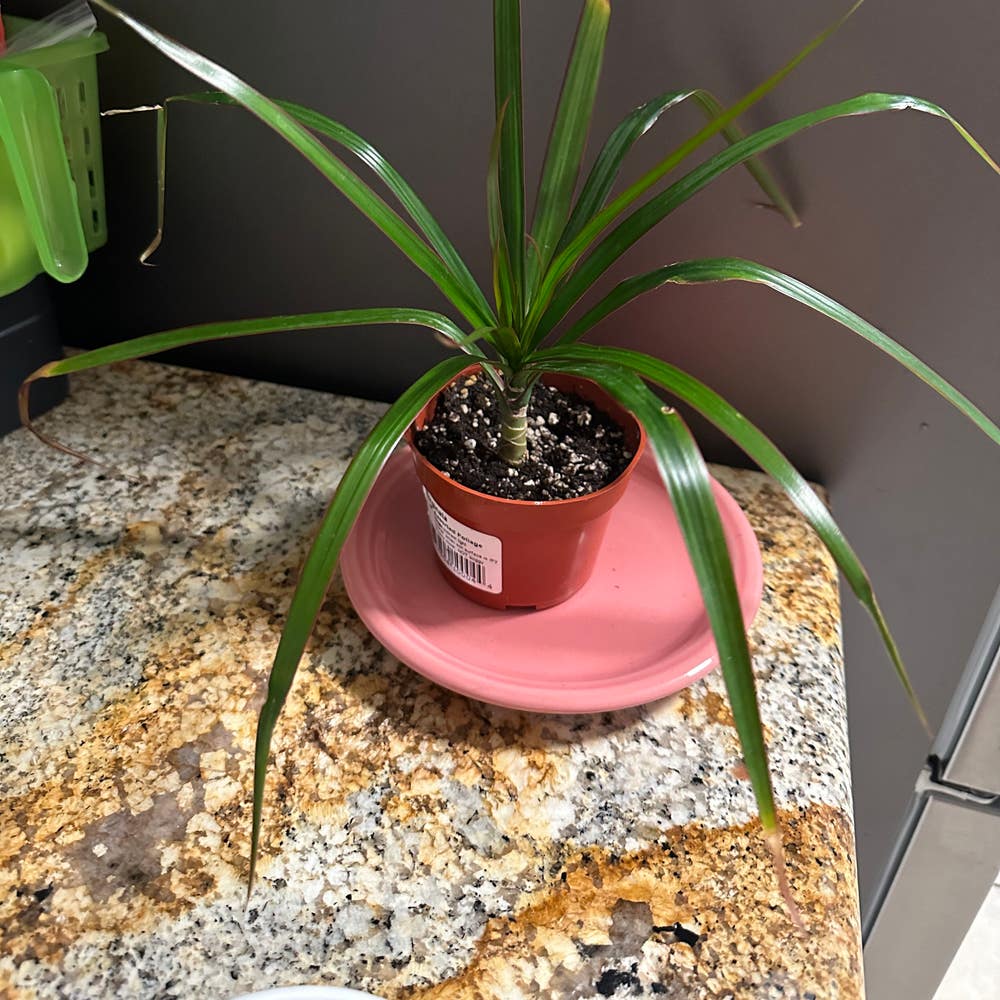
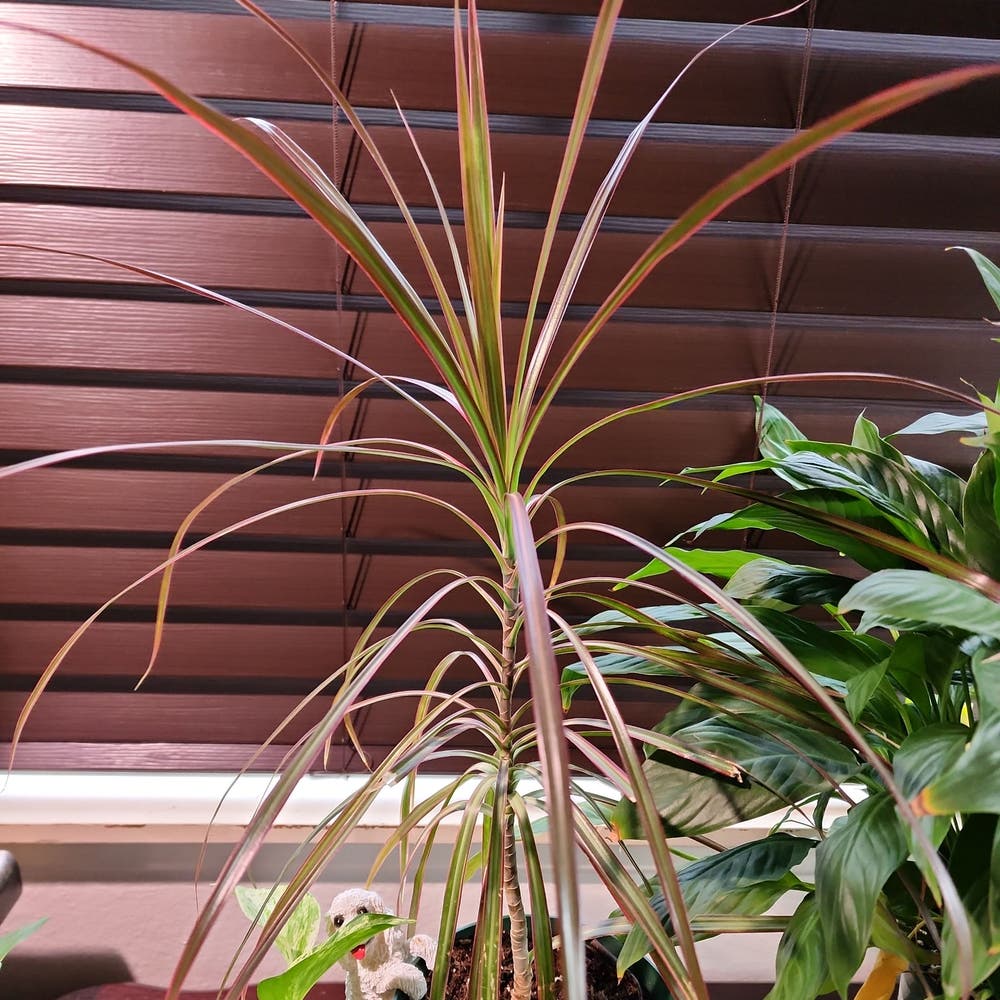
🐉 Why Are My Dracaena marginata 'Bicolor' Leaves Falling Over?
Dracaena reflexa var. angustifolia 'Bicolor'
By the Greg Editorial Team
Jun 18, 2024•4 min read
This article was created with the help of AI so we can cover more plants for you. May contain errors. See one? Report it here.
Revive your droopy Dracaena and ensure leafy perfection with our expert care tips! 🌿✨
- Overwatering and underwatering both lead to droopy leaves; find the moisture balance.
- Light and temperature stress affect leaf health; adjust plant's environment accordingly.
- Nutrient deficiencies cause yellowing; use balanced fertilizer for long-term health.
When Too Much Love Hurts: Overwatering Woes
🚰 Spotting the signs of overwatering
Yellowing leaves, wilting, and brown spots with a yellow halo are your Dracaena's way of saying, "Ease up on the H2O!" If the soil smells like last week's leftovers and feels like a swamp, you're in overwatering territory. Mushy stems? That's the plant's white flag of surrender.
🚑 How to rescue your waterlogged Dracaena
First, assess the roots—snip away any that resemble overcooked noodles. If the pot's as soggy as a dish sponge, it's time for a soil change and maybe a pot swap. Ensure the new abode has drainage holes to avoid future pool parties at the root level.
💧 Best practices for watering going forward
Dracaena marginata 'Bicolor' likes its soil like a good cake—moist but not drenched. Let the top few inches dry out before the next watering. Stick your finger in the soil; if there's moisture, give it a break. Remember, your plant's thirst varies with the seasons, so adjust accordingly. And never let it sit in water—unless you're into plant soup.

Thirsty Plant, Droopy Leaves: The Underwatering Equation
💧 Recognizing Underwatering Symptoms
When your Dracaena marginata 'Bicolor' starts looking more like a weeping willow, underwatering might be the culprit. Leaves that are crispy to the touch and a growth rate that's more sluggish than a snail in molasses are your red flags. If the soil feels as dry as a stand-up comic's humor, it's a clear sign your plant's thirst needs quenching.
💦 Hydration Therapy for Your Parched Plant
To rehydrate your plant, think of watering as a gentle, soaking rain, not a flash flood. Water thoroughly, allowing moisture to reach the roots, but don't turn the pot into a mini-lake. If the top two inches of soil are dry, it's time to water. For the forgetful among us, consider a self-watering system to maintain consistent soil moisture.
🌱 Finding the Sweet Spot: Establishing a Watering Balance
The key to preventing future droop episodes is to find that watering sweet spot. It's like the perfect brew of coffee—personal and crucial. Keep the soil moist but not soggy, akin to a wrung-out sponge. Adjust your watering routine with the changing seasons, because your plant's hydration needs will shift just like your preference for iced or hot lattes.

Light and Temperature: The Balancing Act
💡 Identifying stress from poor lighting and temperature extremes
Dracaena marginata 'Bicolor' can be as fussy as a cat in a bath when it comes to light and temperature. Too much direct sunlight, and you'll see leaves that look more sunburnt than a tourist at the beach. Too little light, and your plant's leaves may droop like it's had one too many.
🔄 Adjusting your plant's environment for optimal health
Rotate your plant periodically to ensure all sides receive their fair share of light. This isn't just about aesthetics; it's about preventing your plant from developing a lean like it's trying to start a new dance craze. When it comes to temperature, think of your plant as a Goldilocks creature: not too hot, not too cold. Keep it away from drafts and sudden temperature changes that could send it into shock.
🌦 Seasonal shifts: adapting care for changing conditions
As the seasons change, so do your plant's needs. In winter, you might need to move it closer to the light source, while in summer, you might need to pull it back to prevent a leafy meltdown. It's a bit like adjusting your wardrobe for the weather, except you're dressing your plant in shades of sunlight. Keep a vigilant eye on the forecast inside your home, and your Dracaena marginata 'Bicolor' will stay as perky as a morning show host.

Feeding Finesse: Nutrient Deficiency and Leaf Health
🌱 Detecting signs of nutrient shortage
Yellowing leaves or stunted growth often wave the red flag for nutrient deficiency. It's like your Dracaena is sending an SOS. Don't just shrug it off; a soil test can be your best friend here, revealing what's missing in the underground buffet.
🌿 Choosing the right fertilizer fix
Once you've played plant detective and cracked the case of the missing nutrients, it's time for a fertilizer fix. Opt for a balanced, water-soluble option that's like a well-rounded meal for your Dracaena. Remember, moderation is key—think of it as a diet plan for your plant, not an all-you-can-eat buffet.
🌱 Long-term feeding strategies to prevent drooping
For the long haul, keep your Dracaena's diet in check. Adjust the fertilizer based on growth stages and seasons. It's not about a one-time feast; it's about consistent, balanced meals. And keep an eye out—your plant's reaction will tell you if you need to tweak the menu.
⚠️ Safety First
This content is for general information and may contain errors, omissions, or outdated details. It is not medical, veterinary advice, or an endorsement of therapeutic claims.
Always consult a qualified healthcare professional before using any plant as food, medicine, or supplement.
Never eat any plant (or feed one to pets) without confirming its identity with at least two trusted sources.
If you suspect poisoning, call Poison Control (800) 222-1222, the Pet Poison Helpline (800) 213-6680, or your local emergency service immediately.
Spotted an error? Please report it here.
Keep your Dracaena marginata 'Bicolor' standing tall 🌿 with Greg's personalized care reminders, ensuring perfect watering and lighting for every season.