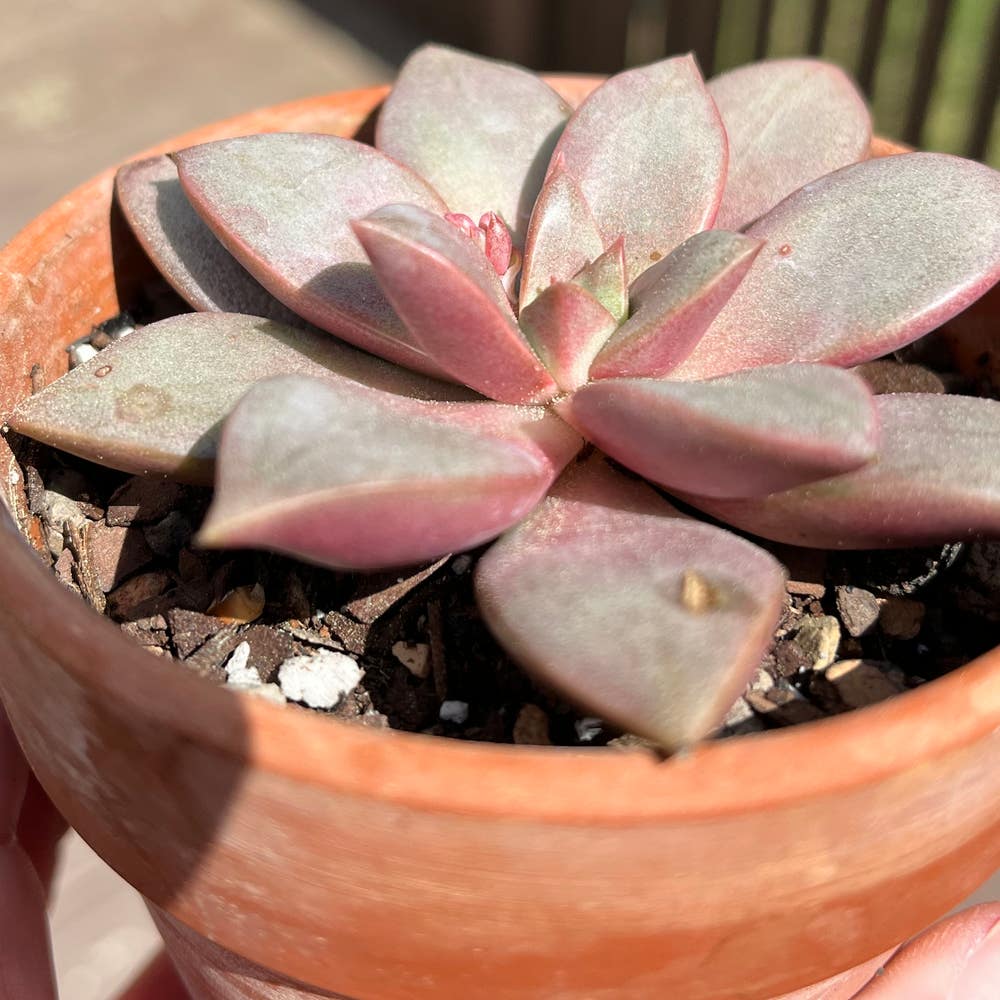
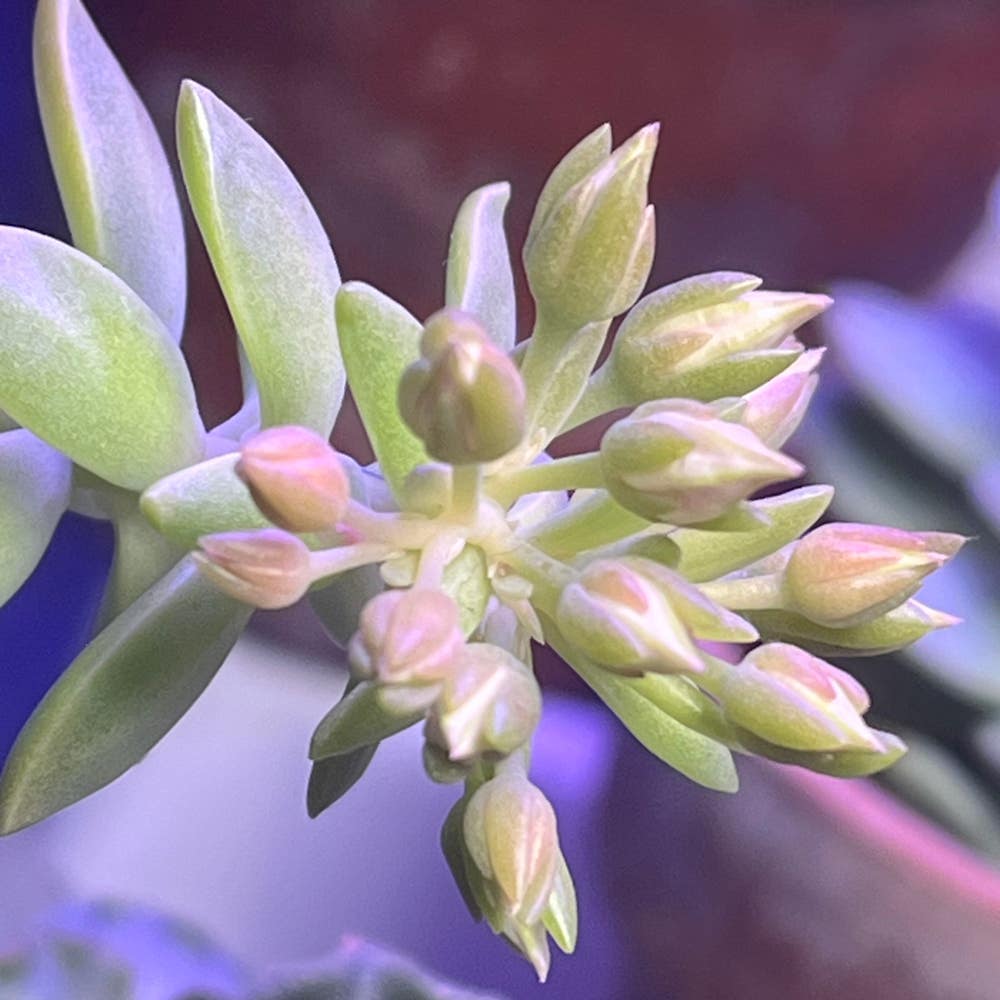
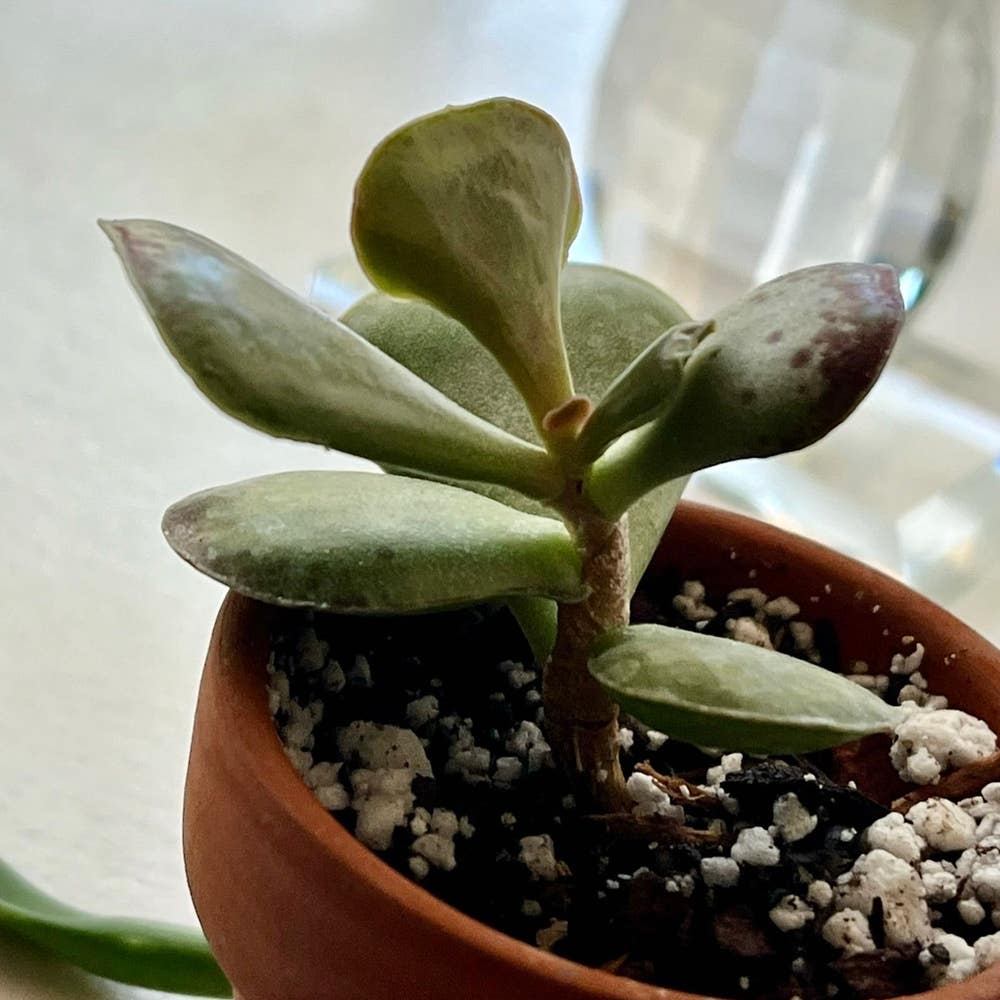
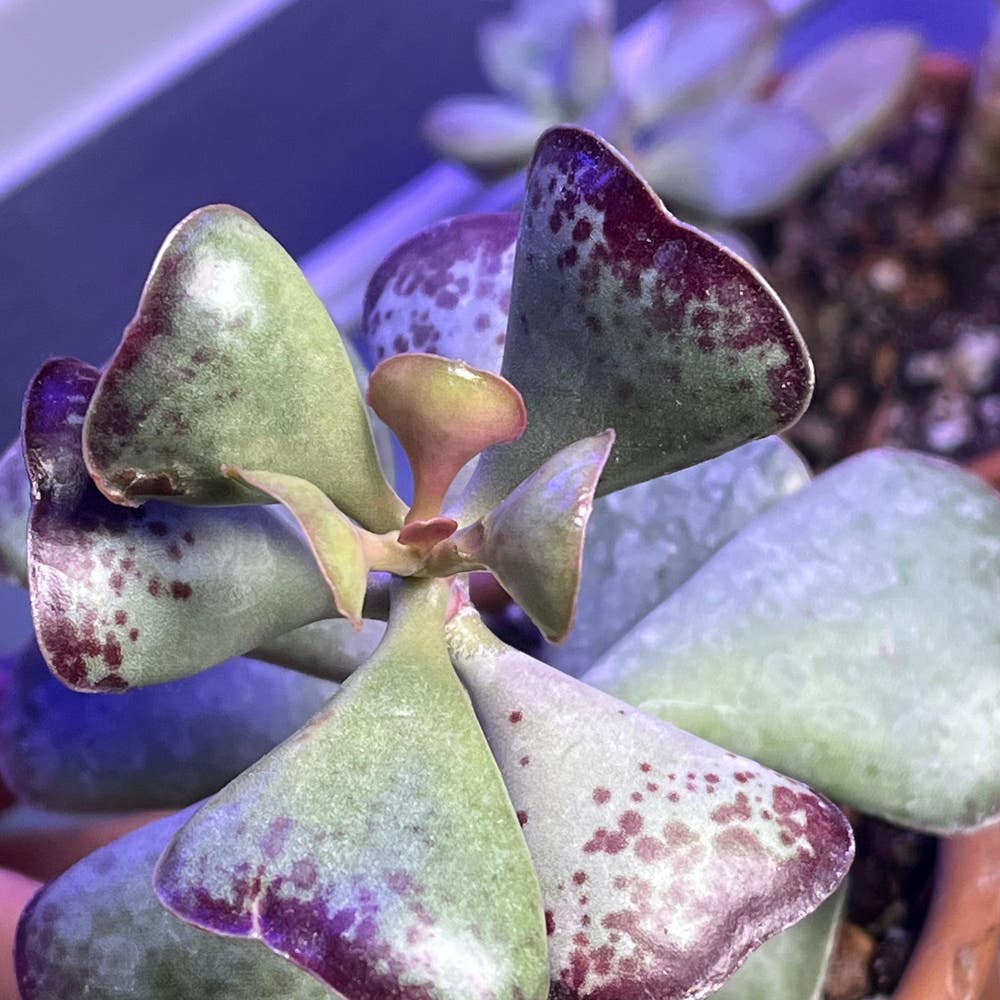
How Do I Propagate My Calico Hearts?
Adromischus maculatus
By the Greg Editorial Team
Jun 18, 2024•5 min read
This article was created with the help of AI so we can cover more plants for you. May contain errors. See one? Report it here.
- Choose healthy stems and make a 45-degree cut below a node for best rooting.
- Monitor and maintain water or soil propagation for firm, white root development.
- 🌱 Propagate in spring for optimal growth and watch for new growth as a readiness cue.
Snip & Dip: Stem Cutting Prep
🌱 Choosing Your Champion Stem
To kick off your propagation journey, select a stem that screams health and vitality. It should be robust, flaunting a green hue, and free from any unsightly spots or disease. Leaves that radiate brightness are a telltale sign of a stem that's ready to go the distance.
✂️ The Perfect Cut
When it's time to make the cut, think surgeon, not butcher. Disinfect your shears or knife to prevent passing on any plant pathogens. Aim for a 45-degree angle cut just below a node; this isn't just about aesthetics—it's about increasing the surface area for roots to emerge. If you spot aerial roots, you've struck gold; these stems are primed and ready for rooting action.
🌿 Pre-Rooting Care
Before your cuttings take the plunge into their rooting journey, strip off any lower leaves to avoid potential rot. A dip in rooting hormone isn't mandatory, but it's like a motivational speaker for roots, giving them a head start. Now, let your cuttings dry slightly to form a callus—think of it as a protective scab that wards off soil-borne nasties. Keep them in a spot with indirect light and brace yourself for the magic of growth.

Rooting for Success: Water Propagation
🌊 Setting Sail in Water
To kickstart your Calico Hearts' aquatic adventure, choose a glass vessel for visibility and light access. Fill it with room-temperature water, ensuring the bottom node of your stem cutting is submerged but the leaves stay dry. This setup isn't just for show; it's a functional display of your propagation prowess.
👀 Watching Roots Grow
Patience isn't just a virtue; it's a requirement when monitoring root growth. Keep an eagle eye on your submerged stem cuttings for signs of white, firm roots. These roots are your green light to move forward. Remember, changing the water weekly isn't just a suggestion—it's a critical step to prevent bacterial and fungal parties from crashing your propagation bash.

Digging In: Soil Propagation
🌱 Planting Your Cuttings
Once your Calico Hearts stem cuttings have developed roots, it's time to transition to soil. Select a pot with a drainage hole to prevent waterlogging. Fill the pot with a well-draining potting mix; a blend with peat and perlite works wonders, providing both moisture retention and aeration.
Make a hole in the soil just big enough for the cutting's roots. Carefully place the cutting in, ensuring the roots are fully covered but not compressed. Water thoroughly after planting, allowing excess water to drain.
🌿 Creating the Ideal Rooting Environment
Your newly potted Calico Hearts cuttings crave consistent warmth and bright, indirect light. These conditions mimic their natural habitat and encourage healthy growth.
Keep the soil slightly moist, but never soggy. Overwatering is the fast track to root rot, so let the topsoil dry out a bit between waterings. If you're feeling fancy, a heat mat can boost the ambient temperature, speeding up root development.
Remember, patience is a virtue in the plant world. Roots take time to establish, so don't rush the process. Before you know it, you'll have a thriving Calico Heart ready to steal the show.

When to Propagate: Timing is Everything
🌱 Seasonal Smarts
Spring is the MVP of propagation seasons. It's the time when plants shake off winter's chill and gear up for a growth spurt. Early spring is your golden ticket, setting the stage for a full season of robust development. Think of it as nature's green light, signaling your Calico Hearts to start multiplying.
Growth Signals
Your plant will drop hints when it's ready to propagate—new growth is the telltale sign. Look for fresh shoots or leaves that scream vitality. It's like your Calico Hearts are saying, "Hey, I'm feeling good; let's make some babies!" Remember, timing isn't just about the calendar; it's about reading your plant's body language.
Overcoming Propagation Pitfalls
🌱 Common Hiccups
Rotting Cuttings can signal overwatering or poor drainage. Ensure your potting mix is as well-draining as a colander.
Unsuccessful Rooting often stems from inadequate light or temperature. Keep your cuttings as warm as a cat in a sunbeam and ensure they bask in the right amount of light.
Seedling Damping Off is a fungal fiesta in overly moist soil. Keep the soil moist but not swampy, and air circulation should be as vital as the air they breathe.
Cleanliness is your propagation gospel. Dirty tools are a big no-no; they're the Trojan horse for disease. Sterilize like a plant doctor.
Water Woes can be a friend or foe. Aim for consistent moisture without creating a miniature swamp.
Node Precision is key. Cutting too far from a node is like cutting your success rate. Stick close to them for golden results.
🚑 Rescue and Recovery
If root rot has turned your cutting into a mushy mess, snip above the rot and try again with less water. It's a setback, not a defeat.
For wilting cuttings, reassess moisture and light. Adjust and remember, plants need time to acclimate, just like us.
If you're dealing with fungal pathogens, it's time to up your sanitation game and consider a fungicide. Watch for fungus gnats; they're more than just annoying.
Not every cutting will root. It's not personal; it's plant science. Learn, adjust, and try again. Remember, even the best gardeners face setbacks—it's part of the charm.
⚠️ Safety First
This content is for general information and may contain errors, omissions, or outdated details. It is not medical, veterinary advice, or an endorsement of therapeutic claims.
Always consult a qualified healthcare professional before using any plant as food, medicine, or supplement.
Never eat any plant (or feed one to pets) without confirming its identity with at least two trusted sources.
If you suspect poisoning, call Poison Control (800) 222-1222, the Pet Poison Helpline (800) 213-6680, or your local emergency service immediately.
Spotted an error? Please report it here.
Successfully propagate your Calico Hearts by adhering to these expert tips, and count on Greg 🌿 to guide you through each step with personalized care reminders.