🐱 How Can You Tell If A Calico Hearts Is Dying?
Adromischus maculatus
By the Greg Editorial Team
Jun 18, 2024•6 min read
This article was created with the help of AI so we can cover more plants for you. May contain errors. See one? Report it here.
- Wilting, yellowing leaves signal water issues; adjust watering with seasons.
- Bright, indirect light is best; shield from intense sun to prevent leaf scorch.
- Inspect for pests and use neem oil or insecticidal soap for control.
When Water Woes Strike
💧 Signs of Thirsty or Drowned Roots
Wilting, yellowing, or browning leaves are your Calico Hearts' cry for help. Dry, crumbly soil? It's time for a drink. Conversely, if the soil feels more like a swamp, you've gone overboard with the watering can.
- Thirsty Roots: Leaves look deflated and lackluster, the plant equivalent of a day-old balloon. Soil is bone-dry.
- Drowned Roots: Leaves turn yellow and translucent, as if they've had one too many. Soil is soggy and smells like a forgotten gym locker.
🚿 Fine-tuning your watering technique: Tips for the perfect balance
Finding the sweet spot for watering is like a high-stakes game of Goldilocks. Too much, and your plant's roots are swimming; too little, and they're gasping for air.
- Consistency is Key: Water when the top inch of soil is dry, not on a whim.
- Feel the Weight: A heavy pot suggests excess water; lighten up to let your plant breathe.
- Drainage: Ensure your pot has holes. Roots need oxygen, not just a water bath.
- Seasonal Sensitivity: Plants drink more in the summer, less in the winter—adjust accordingly.
- Observation Over Automation: Watch your plant's response and tweak your routine. No autopilot here.

Light and Shade Tango
🍃 Reading the Leaves: Light's Telltale Signs
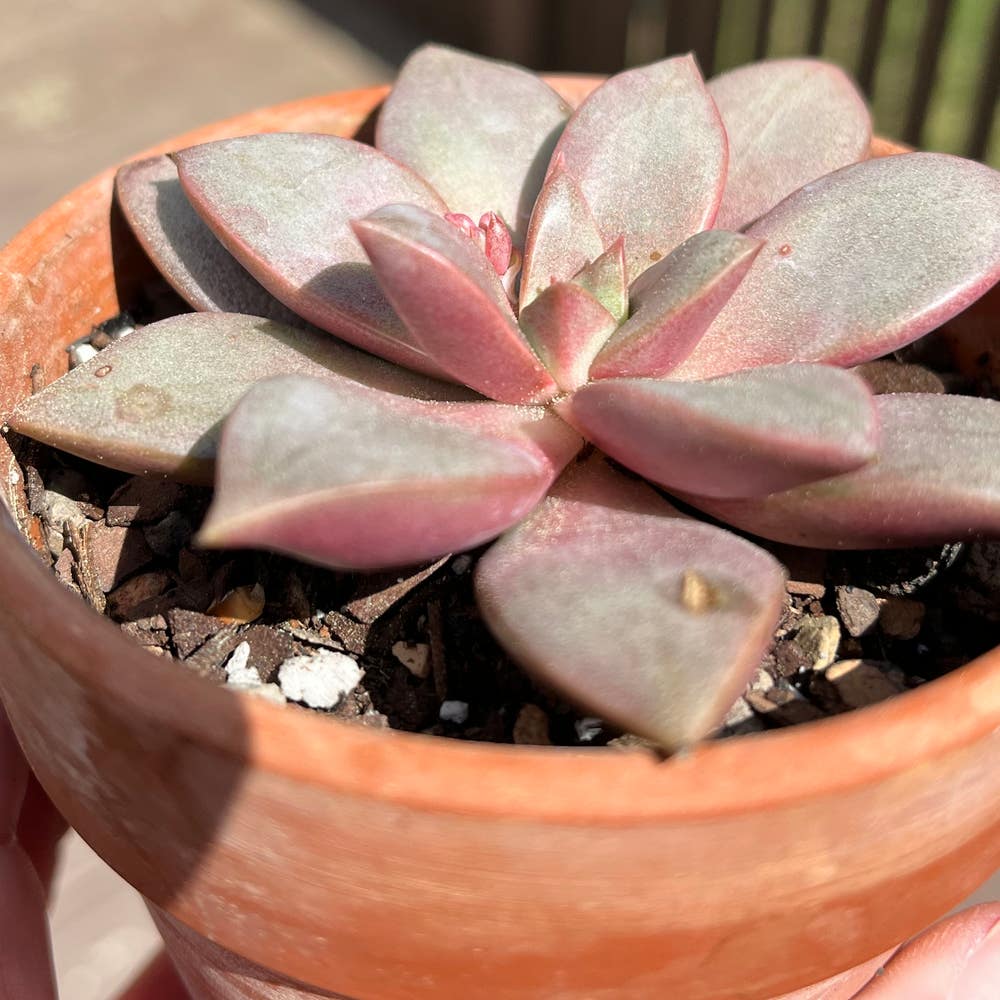
Decoding leaf discoloration and growth patterns can be like trying to solve a Rubik's Cube in the dark. But fear not, your Calico Hearts is spilling the tea on its light preferences. Crispy, brown-tipped leaves? That's your plant throwing shade at you for too much sun. On the flip side, if your plant's growth is as sparse as a deserted island, it's begging for more light.
Crafting the ideal light environment for your Calico Hearts doesn't require a degree in interior design. Think bright, indirect light—like the kind that filters through a sheer curtain on a sunny day. Direct sunlight is a no-go; it's the equivalent of putting your plant in the middle of a dance floor at high noon. Remember, it's not just about the amount of light, but also the quality. Blue wavelengths are like a green smoothie for foliage, while red is the secret sauce for blooms.
🌿 Crafting the Ideal Light Environment for Vibrant Calico Hearts
To keep your Calico Hearts from throwing a tantrum, aim for a spot that's the Goldilocks of light conditions—not too bright, not too dim. A north or east-facing window could be your ticket to vibrant plant life. If your only option is a sunnier spot, a sheer curtain or a strategic placement a few feet away from the window can work wonders.
Rotate your plant occasionally to ensure even growth; otherwise, you'll end up with a lopsided Calico Hearts that's reaching out like it's trying to escape the pot. And if you notice the leaves starting to fade like an old pair of jeans, it's time to dial down the light. Too much direct sun can bleach those beautiful leaves faster than you can say "photosynthesis."
Remember, your Calico Hearts is not just a pretty face; it's a living barometer for light conditions. Keep an eye on those leaves—they're like a mood ring for your plant's health.

Temperature Tantrums
🌡️ Keeping Your Cool (or Warmth)
Calico Hearts, like many plants, can throw a temperature tantrum if conditions aren't just right. Here's how to spot and soothe your plant's climate-related stress.
🌡️ Identifying Temperature Stress in Calico Hearts
Wilting leaves might mean your plant's too hot; they droop to minimize water loss. On the flip side, stunted growth could indicate it's too cold, and your Calico Hearts is conserving energy. Browning leaf edges are a red flag for both extremes. It's not just an aesthetic issue; it's a sign of a plant in distress.
🌡️ Stabilizing Your Plant's Climate for Optimal Health
To avoid these temperature-induced mood swings, keep your Calico Hearts away from drafty windows and radiators. Think of it as creating a microclimate that's just right. Insulating your pot with burlap or setting it on a wood stand can help buffer against those sneaky temperature fluctuations. And don't forget to keep a room thermometer handy—it's like a security blanket for your plant's comfort.
Remember, consistency is key. Your Calico Hearts doesn't appreciate surprises, especially in the temperature department. Keep it in the sweet spot between 65°F and 80°F (18°C to 27°C), and you'll have a content plant that's neither too hot nor too cold.

The Unseen Invaders: Pests and Pathogens
🐛 Pests: The Tiny Terrors
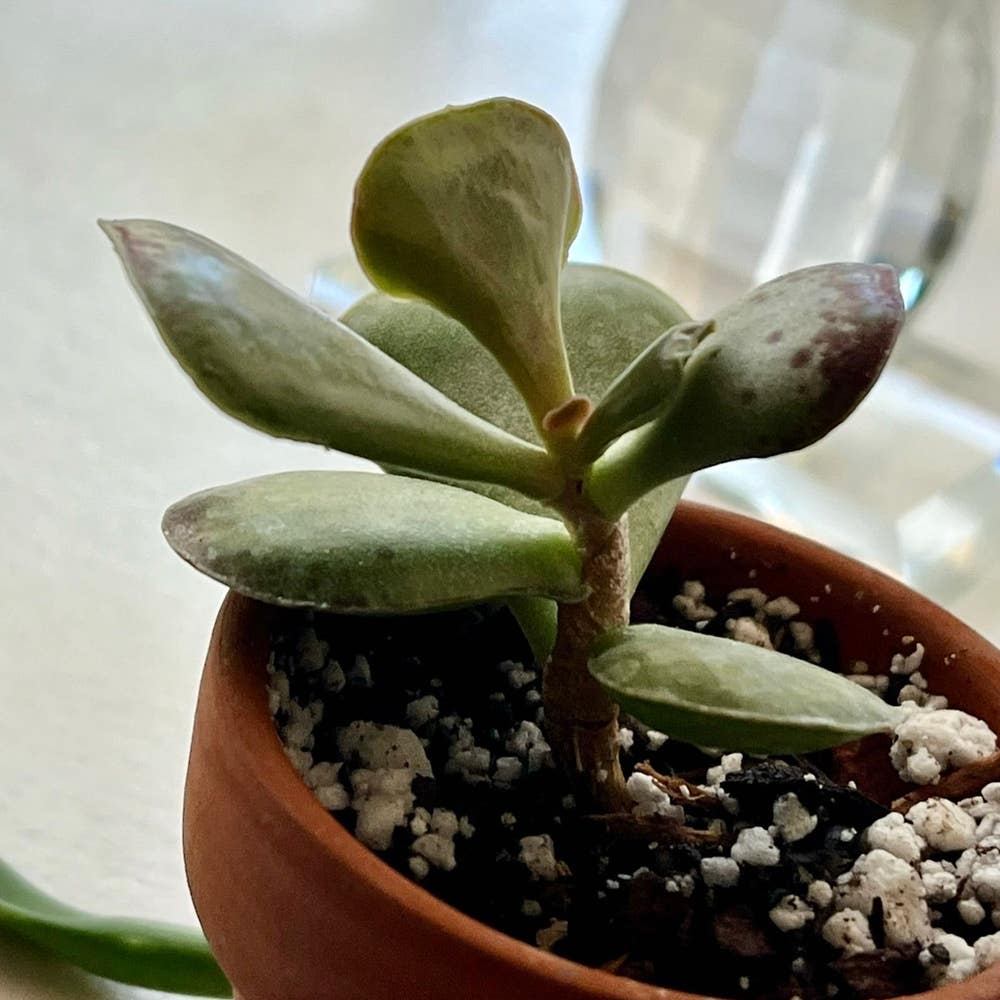
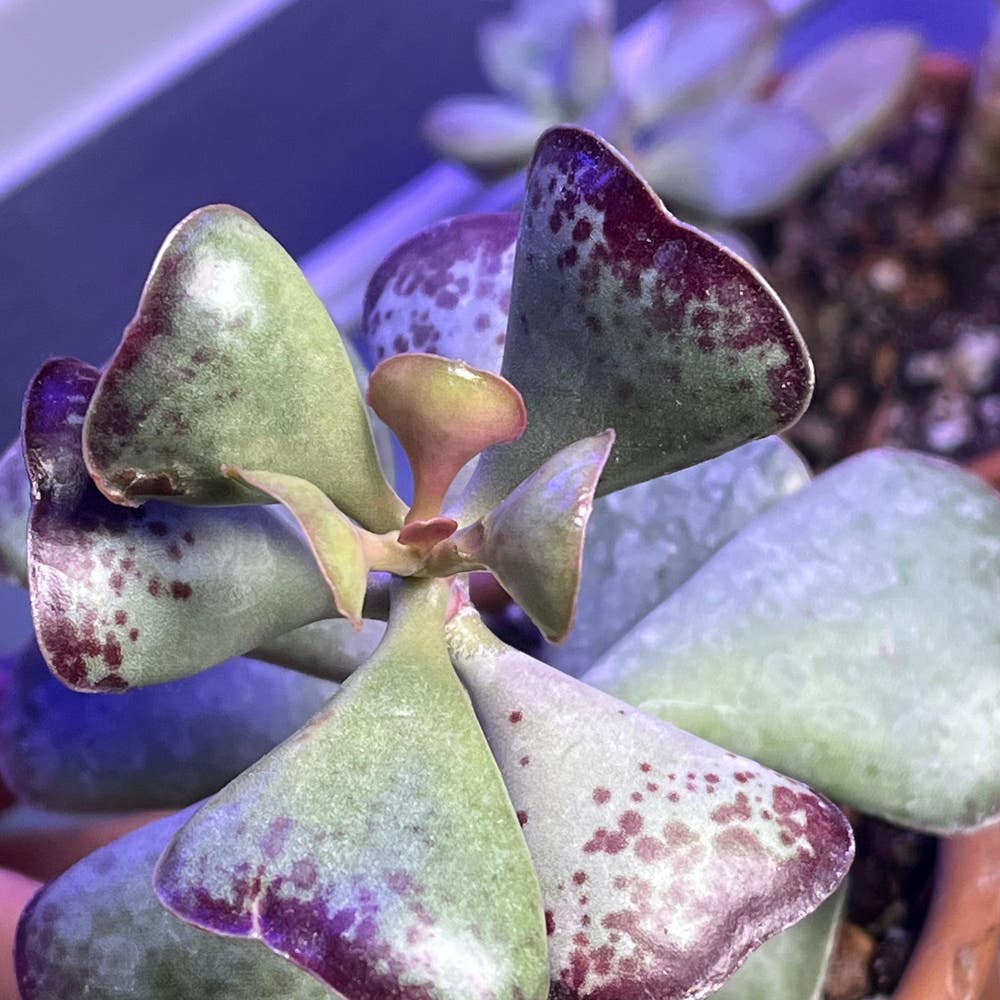
Calico Hearts, with their variegated leaves and tender stems, are a magnet for certain pests. Spider mites set up their intricate webs, while aphids leave a sticky residue, a telltale sign of their presence. Vigilance is key. Inspect your plant regularly, especially the undersides of leaves, and act swiftly at the first sign of trouble.
Biological control can be a game-changer. Introducing predatory insects like ladybugs can help keep aphid populations in check. For a more direct approach, neem oil or insecticidal soap can be effective. Remember, prevention beats cure—maintain plant hygiene to deter these tiny terrors.
🍄 Fungus Among Us: Mold and Root Rot
White or black spots on leaves can signal a fungal invasion. Mold thrives in stagnant air, so crank up the airflow. If the situation calls for it, a targeted fungicide can be your best bet.
Root rot, the silent assassin, often stems from overwatering. Ensure your Calico Hearts isn't sitting in soggy soil. If rot has set in, you may need to remove the affected roots and repot in fresh, well-draining soil. Keep an eye out for fungus gnats too; they're a sign that the soil is too moist.
Remember, your Calico Hearts relies on you to be its protector. Regular check-ups and prompt action can keep these unseen invaders at bay.
Sunburn and Other Calico Heartaches
🌞 Leaf Scorch: A Calico's Cry for Help
Leaf scorch in Calico Hearts manifests as brown, crispy patches on the foliage, a clear sign your plant is shouting for relief from excessive sunlight. Immediate action involves relocating the plant to a less intense light environment, ensuring it's not exposed to harsh midday rays.
To treat the damaged leaves, trim the scorched edges carefully, as if you were a surgeon. This not only improves the plant's appearance but also prevents potential decay from spreading to healthy tissue.
🛡️ Preventing Future Flare-Ups
Prevention is key. Position your Calico Hearts to receive bright, indirect light; this could mean placing it near a window with a sheer curtain or ensuring it gets gentle morning sun followed by afternoon shade. Monitor the light conditions as seasons change to avoid another sunburn incident.
Watering also plays a role in preventing leaf scorch. During dormancy in summer, reduce watering frequency but ensure the soil doesn't dry out completely. A hydrated plant is less prone to sun damage.
Lastly, be vigilant about pests and diseases that can weaken your plant, making it more susceptible to sunburn. Keep an eye out for mealybugs, scale, and aphids, and treat infestations promptly with insecticidal sprays or soaps.
⚠️ Safety First
This content is for general information and may contain errors, omissions, or outdated details. It is not medical, veterinary advice, or an endorsement of therapeutic claims.
Always consult a qualified healthcare professional before using any plant as food, medicine, or supplement.
Never eat any plant (or feed one to pets) without confirming its identity with at least two trusted sources.
If you suspect poisoning, call Poison Control (800) 222-1222, the Pet Poison Helpline (800) 213-6680, or your local emergency service immediately.
Spotted an error? Please report it here.
Ensure your Calico Hearts avoids the dreaded leaf scorch 🔥 with Greg's personalized care reminders, tailored to your plant's needs and your unique home environment.