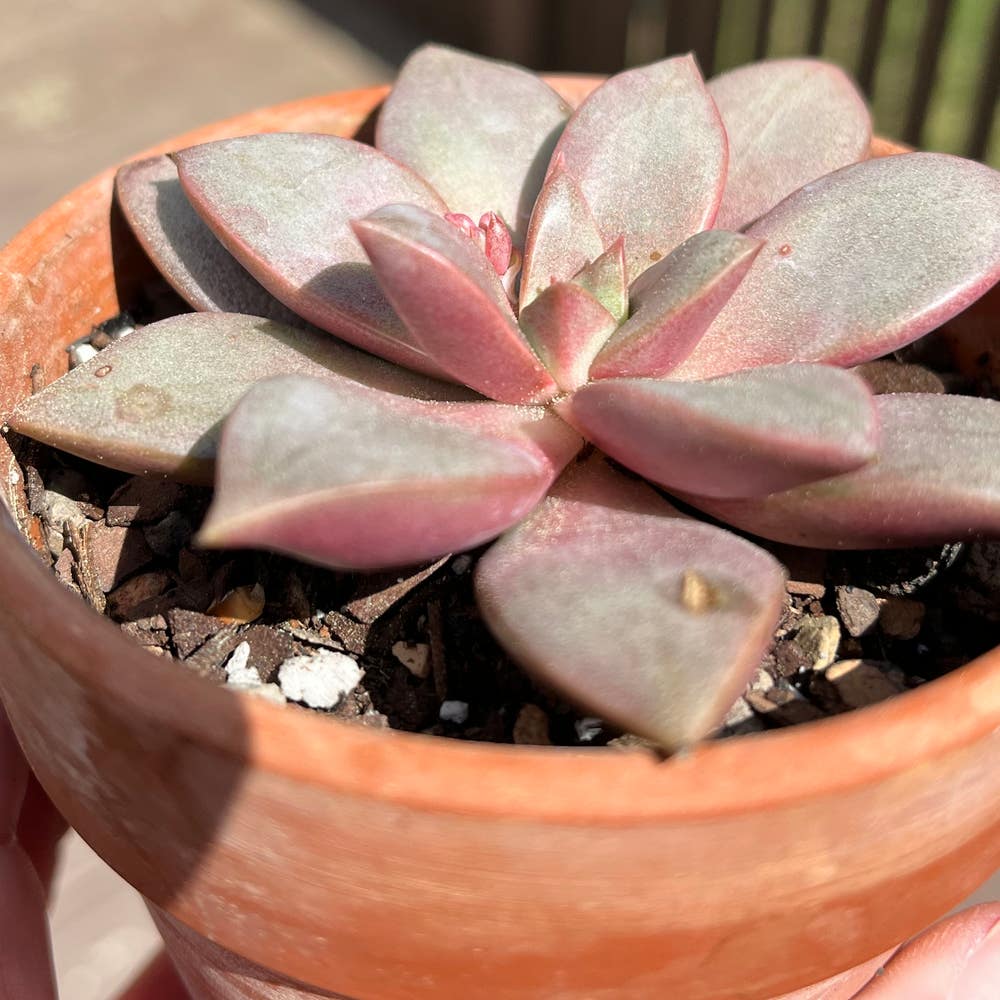
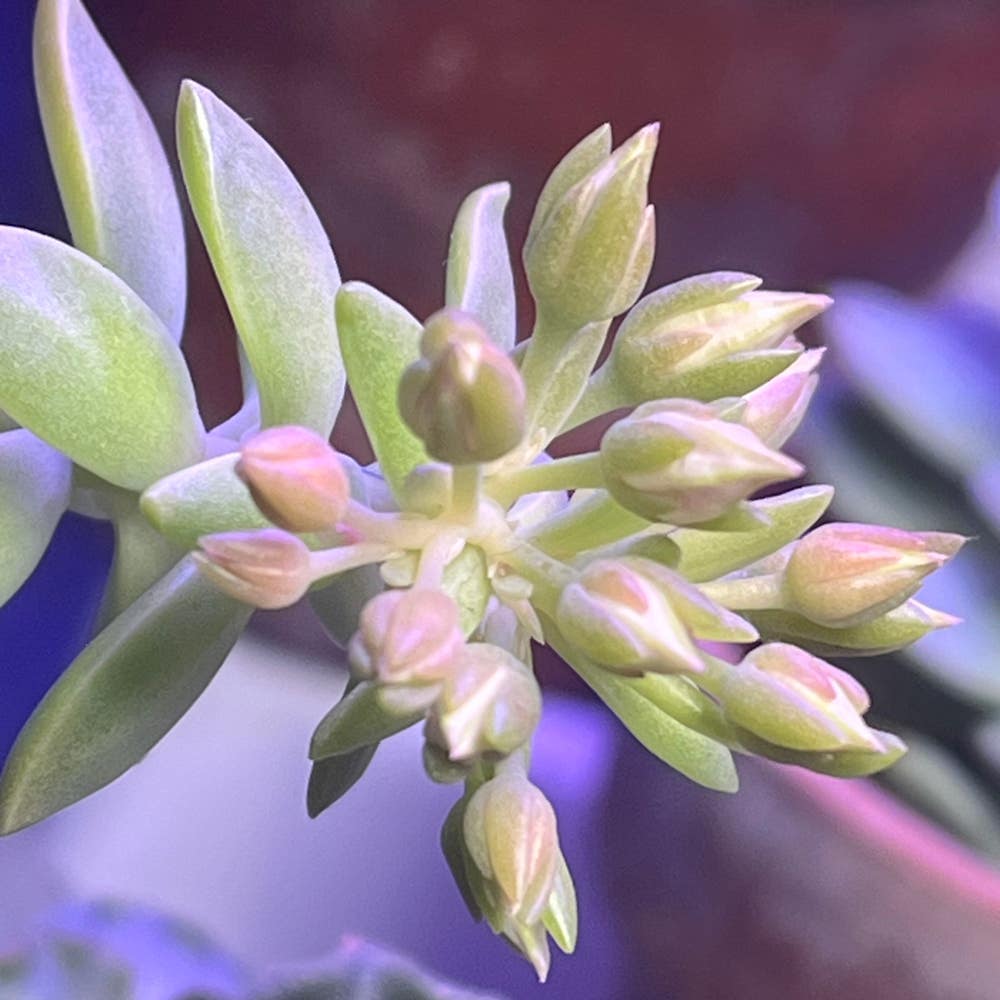
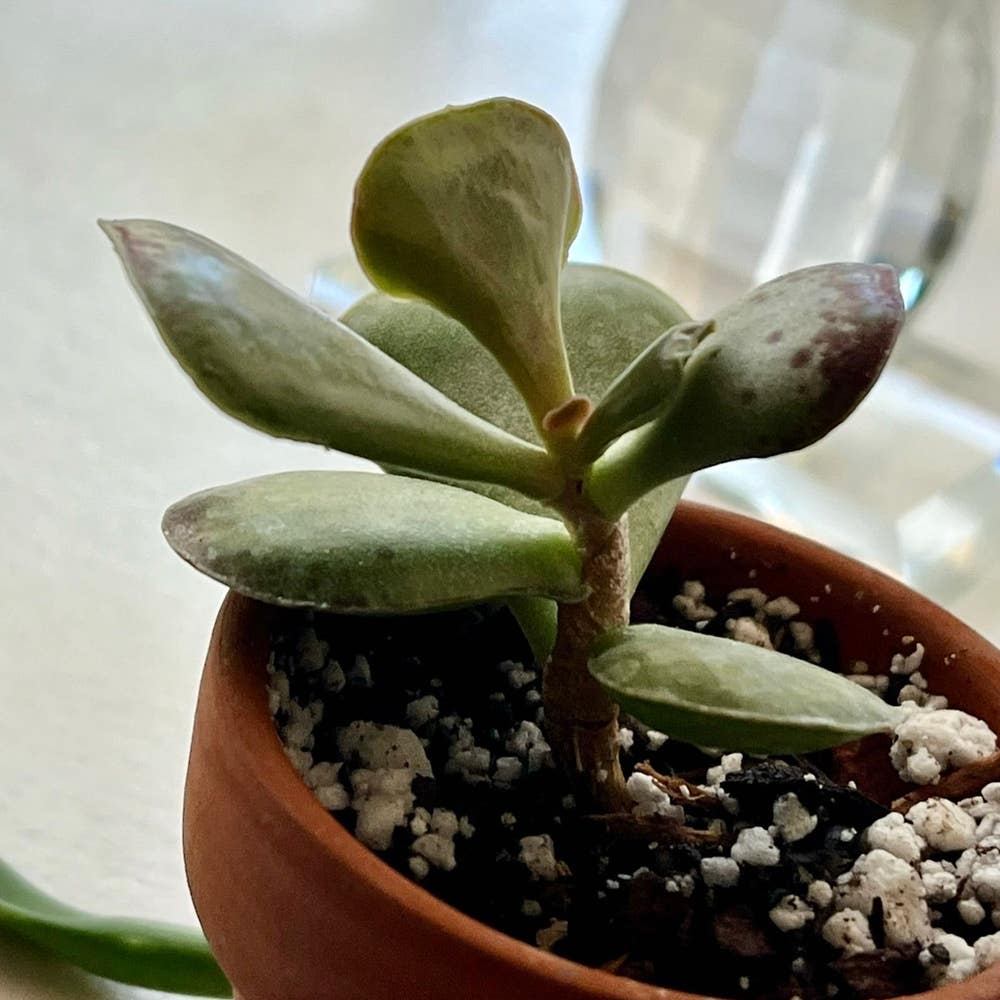
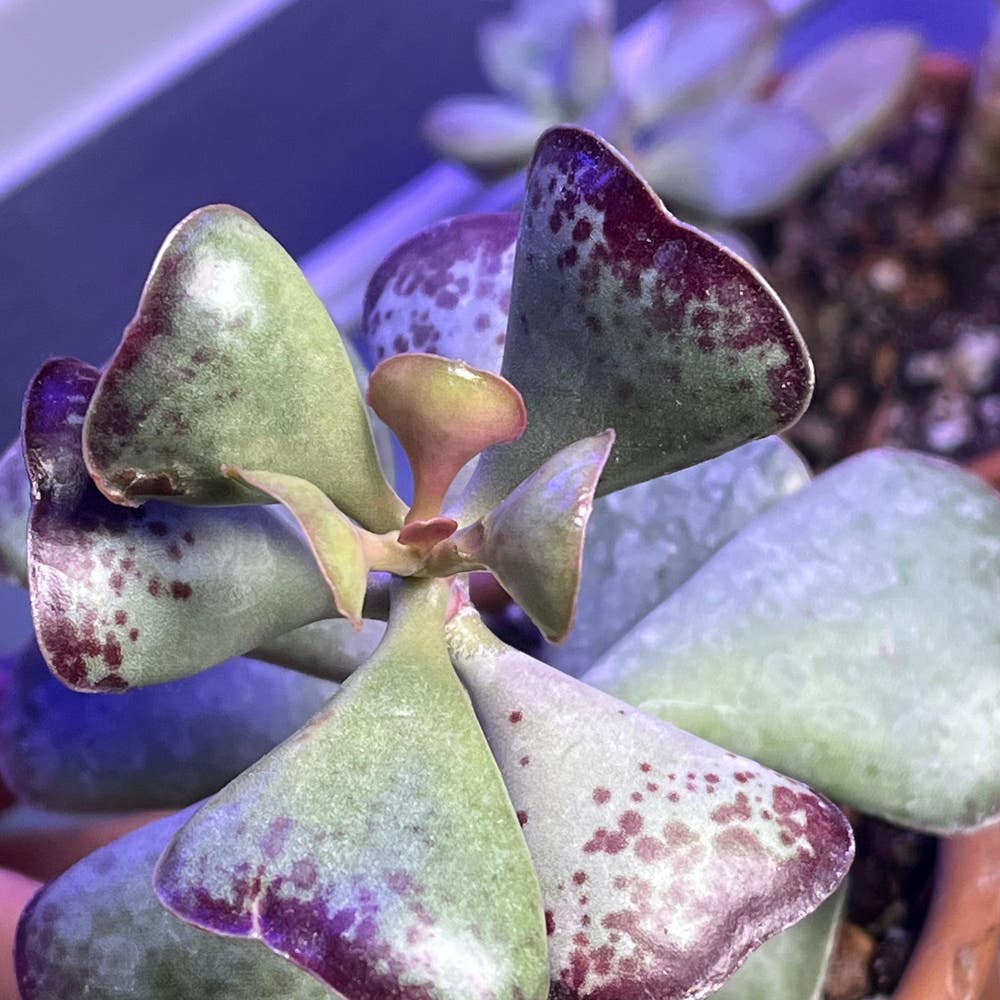
Soil Recommendations for Calico Hearts
Adromischus maculatus
By the Greg Editorial Team
Jun 18, 2024•4 min read
This article was created with the help of AI so we can cover more plants for you. May contain errors. See one? Report it here.
- 🌱 Well-draining, nutrient-rich soil is key for Calico Hearts' health.
- Neutral to slightly acidic pH (5.5-6.5) ensures Calico Hearts thrive.
- DIY soil mix: peat moss, perlite, and compost, tailored to plant needs.
Spotting Trouble: When Your Calico Hearts' Soil Goes Bad
🚩 Signs Your Soil is Unhappy
Mold is not a decoration; it's a distress signal. Colors and textures ranging from white fuzz to black slime are red flags. That funky smell? It's your soil's version of an S.O.S.
🌪 The Fallout of Unhealthy Soil
Bad soil doesn't just look unappealing—it's a health hazard for your Calico Hearts. It invites pests, steals nutrients, and leads to root rot. Root rot is a silent assassin; it creeps in when the soil is too wet and doesn't let go, suffocating your plant's vital systems.

Picking the Perfect Soil Mix
💎 Key Ingredients for Calico Hearts Bliss
In the quest for Calico Hearts nirvana, the soil mix is non-negotiable. Well-draining and nutrient-rich are the buzzwords here. Start with a base of all-purpose potting soil, the unsung hero of plant growth. Next, throw in perlite for its drainage superpowers; it's like a life jacket for roots, keeping them buoyant and oxygenated. Sphagnum peat moss enters the mix as the moisture maestro, while a sprinkle of worm castings or compost acts like a slow-release energy drink, packed with nutrients.
🌡️ pH Levels and Your Calico Hearts
Now, let's talk pH levels. Calico Hearts don't do drama; they thrive in a chill zone of neutral to slightly acidic soil. Aim for a pH sweet spot between 5.5 and 6.5. Too alkaline? Your Calico Hearts might as well be living on Mars. Too acidic, and you're in a botanical horror show. If your mix is off, limestone can be the peacemaker, nudging the pH back to plant-friendly territory. Remember, getting the pH right is like setting the right ambiance for a dinner party – it sets the tone for a thriving plant life.

Fixing Soil Fiascos
🍄 Mold Be Gone!
Mold on your Calico Hearts' soil is a red flag. It's time to take action. Here's how:
- Remove visible mold manually. This is your first line of defense.
- Cut back on watering. Let the soil dry out between sessions.
- Check the soil before each watering. It should be dry to the touch.
- Amend the soil with perlite or pumice to improve aeration.
🚰 Waterlogged Woes
Overly moist soil can suffocate your Calico Hearts. Here's how to fix it:
- Ensure proper drainage. Your pot needs holes at the bottom.
- Add a gravel layer at the pot's base to prevent water from pooling.
- Mix in coarse materials like perlite or sand to the soil to enhance airflow.
- Unclog drainage holes regularly. It's as crucial as clearing your gutters.
Remember, healthy roots are the key to a thriving Calico Hearts plant.

Crafting Your Own Calico Hearts Soil Concoction
🌱 The Recipe for Success
Crafting the ideal soil mix for your Calico Hearts is like becoming a chef for your plants. Start with a base of peat moss for moisture retention. Add perlite to ensure proper drainage and prevent waterlogged roots. Compost is the secret sauce, enriching the mix with essential nutrients.
- 3 parts peat moss: Holds moisture without waterlogging.
- 1 part perlite: Aeration hero, keeps the soil loose.
- A generous scoop of compost: Nutrient boost for robust growth.
🎨 Tailoring the Mix
Not all Calico Hearts are created equal, and neither should their soil be. Adjust the mix based on your plant's specific needs and your environment. If your home is a humidity haven, cut back on peat moss. Is your Calico Hearts a thirsty one? Consider a touch more compost.
- Dry climate? Increase peat moss.
- Humid home? Perlite is your best friend.
- Nutrient-hungry? Extra compost will do the trick.
Remember, this isn't a one-size-fits-all. Tweak the recipe until your Calico Hearts sings—or at least looks like it might.
⚠️ Safety First
This content is for general information and may contain errors, omissions, or outdated details. It is not medical, veterinary advice, or an endorsement of therapeutic claims.
Always consult a qualified healthcare professional before using any plant as food, medicine, or supplement.
Never eat any plant (or feed one to pets) without confirming its identity with at least two trusted sources.
If you suspect poisoning, call Poison Control (800) 222-1222, the Pet Poison Helpline (800) 213-6680, or your local emergency service immediately.
Spotted an error? Please report it here.
Craft the ideal soil for your Calico Hearts and banish mold 🚫 with Greg's custom care reminders tailored to your plant's unique environment.