💧 How Much Humidity Does My Calico Hearts Need?
Adromischus maculatus
By the Greg Editorial Team
Jun 18, 2024•5 min read
This article was created with the help of AI so we can cover more plants for you. May contain errors. See one? Report it here.
- Calico Hearts prefer low humidity, watch for soft leaves and brown tips.
- Use hygrometers to monitor and maintain ideal humidity levels.
- Balance humidity and temperature for Calico Hearts' health.
Pinpointing the Sweet Spot: Ideal Humidity for Calico Hearts
🌵 What Calico Hearts Love
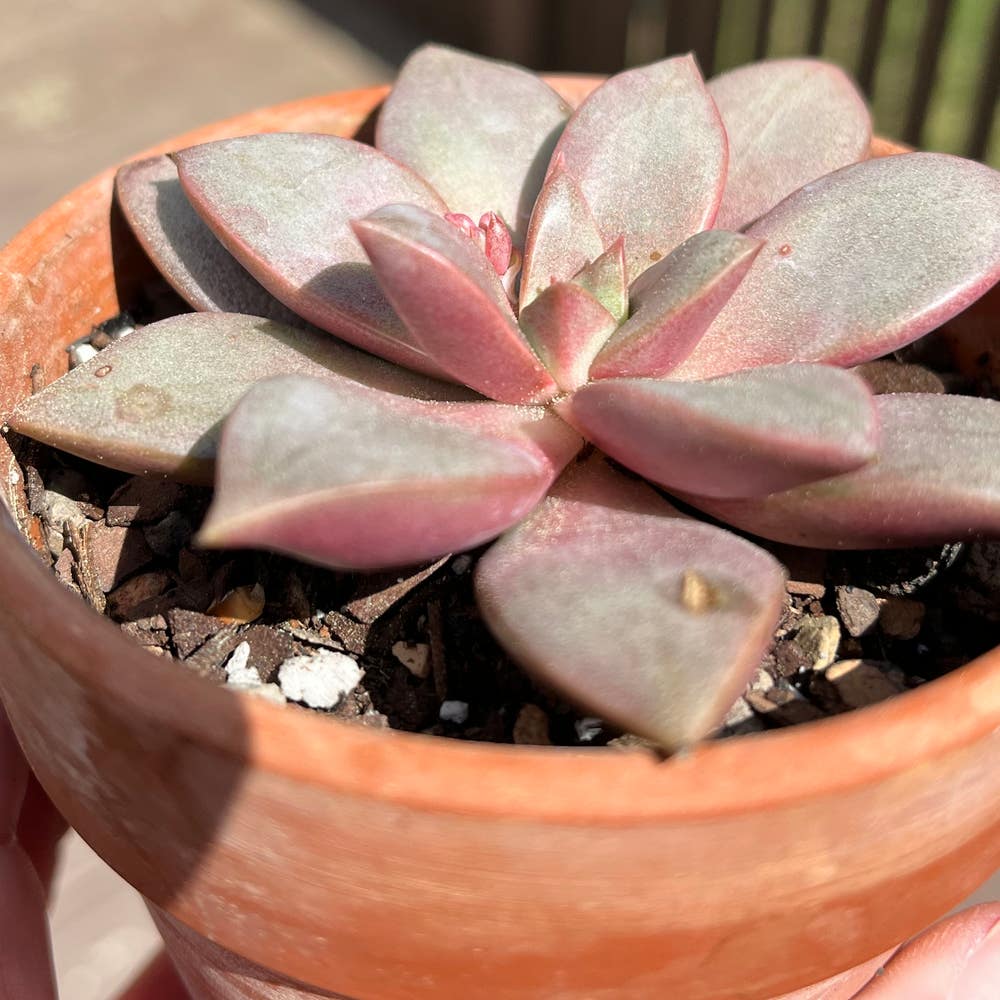
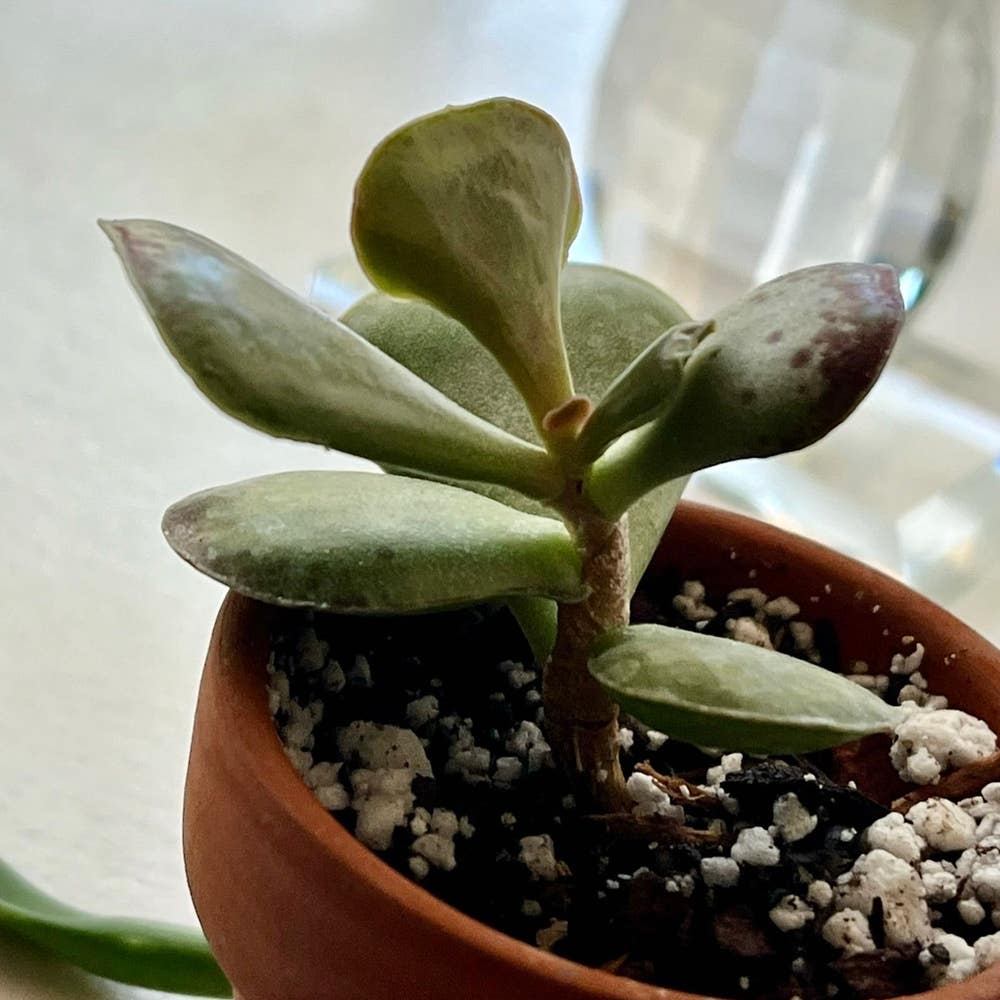
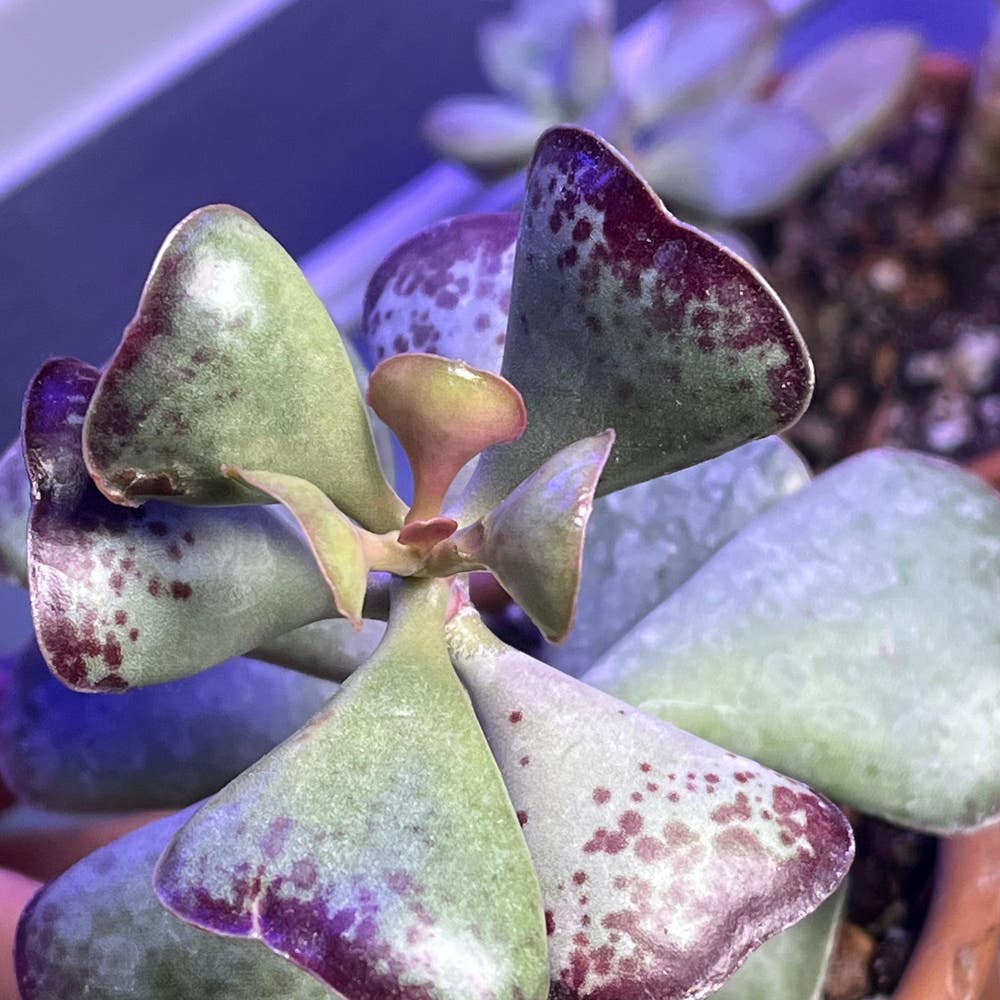
Calico Hearts, with their plump leaves and vibrant patterns, thrive in arid conditions. The ideal humidity range for these succulents is on the lower end, aligning with their desert heritage. Excessive moisture is a no-go; it invites fungal parties you don't want an invite to. Keep the air around them as dry as a witty remark, without crossing into desert-dry extremes.
🚱 Signs of Discontent
When Calico Hearts aren't happy with the humidity, they won't keep it to themselves. Overly moist environments may lead to leaves that are softer than your favorite plush toy, signaling potential fungal issues. Conversely, if the air mimics the Sahara, you might find the leaf tips turning as brown as a well-done toast. These are distress flares indicating it's time to adjust your humidity strategy.

Keeping Tabs on Humidity at Home
🌡️ Tools of the Trade
Hygrometers are the unsung heroes in the quest to maintain the ideal humidity for your Calico Hearts. They're like the dashboard gauges of your plant's environment, providing real-time feedback on moisture levels. For those who love tech, digital hygrometers offer precision, while traditionalists might lean towards analog devices. Remember, calibration is key. Follow the salt test method to ensure your readings are accurate: wet salt in a jar with your hygrometer for a reliable 75% humidity benchmark.
📊 Reading the Signs
Interpreting hygrometer readings isn't rocket science, but it's crucial for your plant's well-being. If the numbers are low, think Sahara—your Calico Hearts might be gasping for moisture. On the flip side, high readings could mean you're in a rainforest scenario, risking over-humidification. Keep the hygrometer close to your plants, but away from deceptive elements like direct sunlight or drafts. Monitor the highs and lows over time to understand your indoor climate. This isn't a set-it-and-forget-it deal; regular check-ins are non-negotiable.

Mastering Humidity for Your Calico Hearts
💧 When the Air's Too Dry
Calico Hearts, with their preference for dry environments, can struggle in low humidity. Here's how to give them a boost without overdoing it.
🌬️ Misting: A Quick Fix
A light mist can temporarily increase humidity around your Calico Hearts. Remember, it's a quick fix, not a long-term solution.
🪴 Pebble Trays: The Classic Approach
Place your pot on a tray filled with pebbles and water. Ensure the pot is not sitting in water to avoid root rot.
🌿 Grouping: Creating a Microclimate
Cluster your Calico Hearts with other plants. They'll share moisture and create a mini-humid zone.
💨 Humidifiers: The High-Tech Option
Deploy a humidifier to raise the air moisture. Keep it at a distance to prevent direct exposure to dampness.
💦 When There's Too Much Moisture
Excess humidity can spell trouble for Calico Hearts. Here's how to dial it back.
🌪 Ventilation: The Natural Dehumidifier
Open windows or use fans to improve air circulation. This helps reduce humidity without drastic measures.
🌡️ Dehumidifiers: The Climate Controllers
If you're dealing with a consistently moist environment, a dehumidifier can be your best bet. It pulls excess water from the air, providing a drier atmosphere for your Calico Hearts.
🚪 Relocation: Finding the Sweet Spot
Sometimes, simply moving your Calico Hearts to a different room can solve the problem. Look for areas with lower humidity levels in your home.
📊 Monitoring: The Key to Balance
Use a hygrometer to keep tabs on humidity levels. Adjust your strategies based on the readings to maintain the ideal environment for your Calico Hearts.

The Temperature-Humidity Tango
🌡️ A Brief Note on Temperature
Calico Hearts, those charming succulents, aren't divas when it comes to climate, but they do have preferences. Temperature and humidity are intertwined, with each affecting the other's impact on your plant.
🔥 Warmth and Moisture: Finding the Balance
Warm air can hold more moisture, which means higher temperatures often lead to lower relative humidity. It's crucial to understand this relationship because Calico Hearts thrive best in temperatures between 66 to 86 °F (19-30 °C).
🌡️ The Effects of Temperature on Humidity
If your indoor air resembles a desert, your Calico Hearts might start to feel the heat, literally. They can tolerate a bit of dryness, but if your home's air is too parched, consider grouping plants or using a humidifier to up the ante on humidity.
🥶 Avoiding Temperature Extremes
While Calico Hearts can handle a range, they're not fans of the frost. Keep them away from cold drafts and ensure they're cozy indoors when winter hits. And when temperatures soar, they might begin to stress, so keep an eye on those thermometers.
🔄 Consistency is Key
Just like us, Calico Hearts appreciate a stable environment. Sudden temperature shifts can be as jarring for them as a cold shower first thing in the morning. Aim for steady warmth to keep that humidity in the sweet spot.
Remember, it's not just about the numbers; it's about maintaining a comfortable balance that lets your Calico Hearts flourish without turning your living space into a steam room.
⚠️ Safety First
This content is for general information and may contain errors, omissions, or outdated details. It is not medical, veterinary advice, or an endorsement of therapeutic claims.
Always consult a qualified healthcare professional before using any plant as food, medicine, or supplement.
Never eat any plant (or feed one to pets) without confirming its identity with at least two trusted sources.
If you suspect poisoning, call Poison Control (800) 222-1222, the Pet Poison Helpline (800) 213-6680, or your local emergency service immediately.
Spotted an error? Please report it here.
Keep your Calico Hearts happy and healthy 🌵 with Greg's precise humidity tracking, ensuring they thrive in their ideal environment without the fuss.