Why Are My Calico Hearts Leaves Droopy? 💧
Adromischus maculatus
By the Greg Editorial Team
Jun 18, 2024•5 min read
This article was created with the help of AI so we can cover more plants for you. May contain errors. See one? Report it here.
- Spot distress early with droopy leaves, discoloration, and unexpected leaf drop.
- Water wisely to avoid underwatering slumps and overwatering plights.
- Provide bright, indirect light and maintain 18-24ºC for perky leaves.
Spotting the Signs of Distress
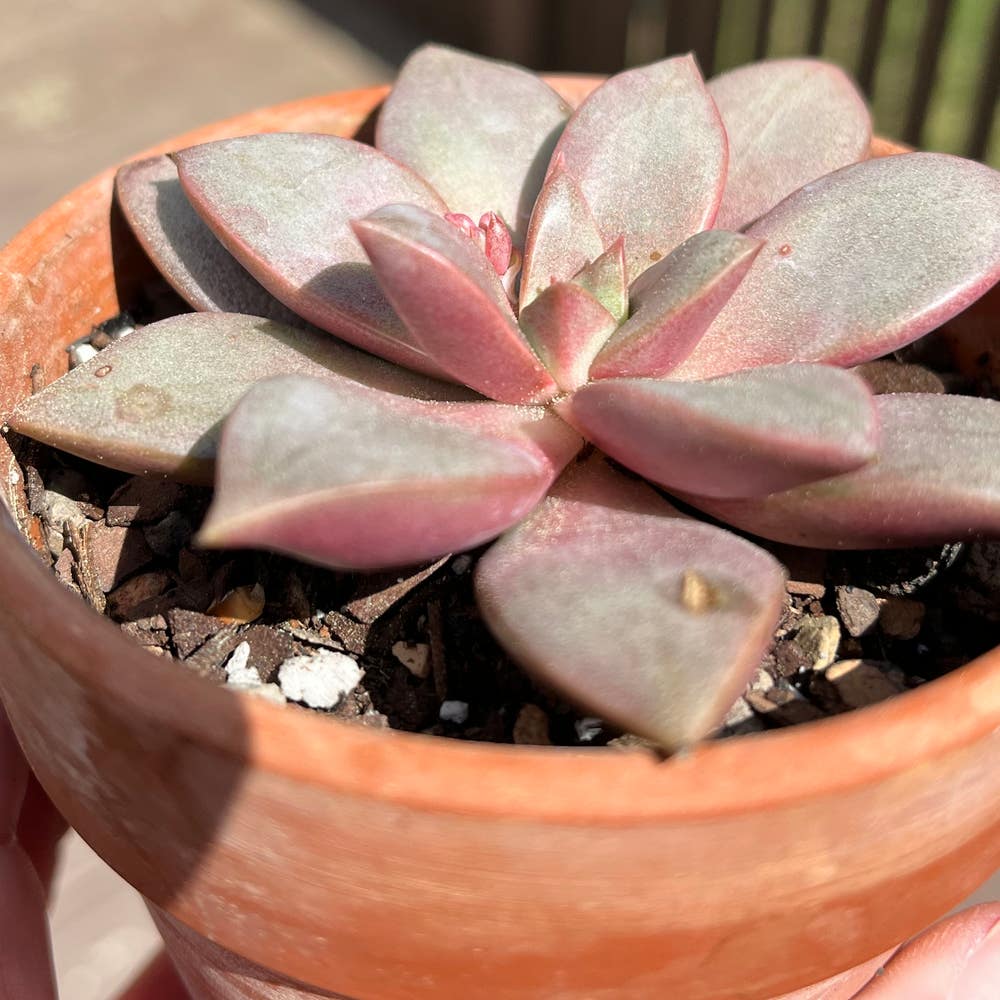
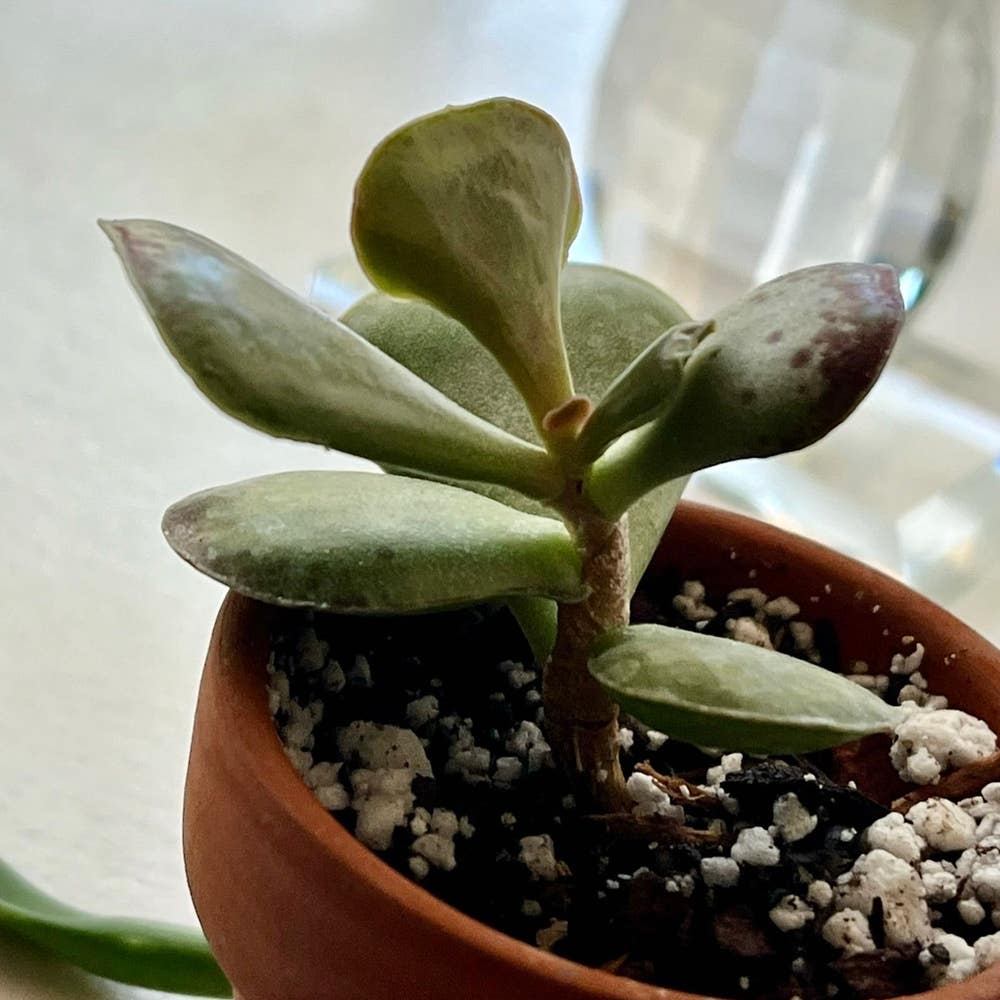
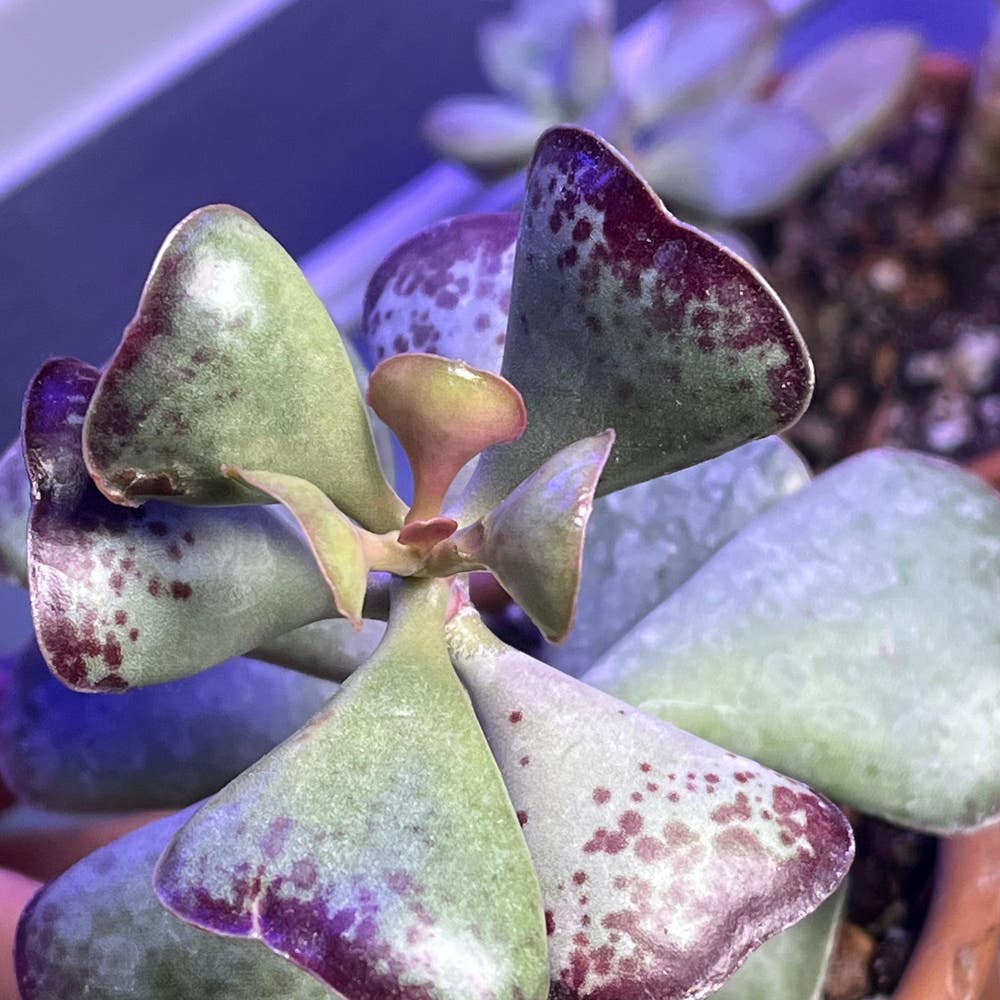
Recognizing the visual cues of distress in Calico Hearts is crucial. Droopy leaves are the most obvious symptom, but there's more to watch for. Discoloration and puffiness in leaves are subtle hints that your plant is struggling. Black dots or browning tips are urgent signs that require immediate attention.
🚩 Beyond the Droop: Other Symptoms to Watch For
Soft, mushy stems or an unexpected leaf drop spree are serious red flags. Flip the leaves over to check for pests that might be causing harm from the underside. Yellowing leaves may suggest nutritional deficiencies or watering issues. If the leaves are shriveled, your plant could be dehydrated; if they're puffy, you might be overwatering. Keep an eye out for stunted growth as well—it's a sign that your plant needs better care.

The Thirst Quench: Watering Woes
🏜️ Too Little, Too Late: The Underwatering Slump
Underwatering your Calico Hearts is like forgetting to feed your cat—neglectful and bound to cause some sad, droopy leaves. Dry soil and leaves that look more tired than you feel on a Monday morning are clear signs your plant is thirsty.
Spotting the Signs of Thirst
Leaves losing their plumpness and soil that crumbles on touch scream for water. If your plant's leaves hang limper than a wet noodle, it's time to act.
The Hydration Fix: How to Water Correctly
Water your Calico Hearts thoroughly, allowing the water to reach the roots without turning the pot into a mini pool. Consistency is key—establish a watering routine that keeps the soil evenly moist, not a desert wasteland.
🚰 Drowning in Excess: The Overwatering Plunge
Overwatering is like giving your plant a bath with its clothes on—uncomfortable and unnecessary. Limp, mushy leaves and soil that sticks like gum on a shoe are distress signals of too much love.
Identifying Soggy Soil and Its Consequences
If your plant's pot feels like it's been doing deadlifts, it's probably waterlogged. Check for yellowing leaves and a general look of despair, much like your face when you overcook pasta.
Drying Out: Steps to Rescue Overwatered Calico Hearts
First, stop watering and let the soil dry out like a day-old baguette. If the roots are more rotten than forgotten leftovers, repotting in fresh, dry soil might be your only lifeline. Remember, proper drainage is not just nice to have; it's a necessity.

Light and Temperature: The Balancing Act
🌞 Seeking the Sun: How Low Light Leads to Limp Leaves
Calico Hearts, like many succulents, crave bright, indirect light to maintain their plump and perky leaves. When they're stuck in a dim corner, their leaves can start to droop, signaling a plea for more photons.
🌅 Finding the Sweet Spot: Ideal Light Conditions for Perkier Leaves
To prevent your Calico Hearts from becoming light-starved wallflowers, position them in a spot where they can bask in bright, indirect sunlight. East or west-facing windows are typically your best bet for that Goldilocks zone of light.
🌡️ Heat and Cold: Extreme Temperatures' Toll on Turgidity
It's not just about light; temperature plays a crucial role in the turgidity of your Calico Hearts. Too hot and they start to wilt, too cold and they stiffen up like they're bracing for a snowball fight.
❄️ Keeping it Comfy: Optimal Temperature Ranges for Calico Hearts
Aim to keep your Calico Hearts in a temperature range of 18-24ºC (64-75ºF). This range strikes the right balance, keeping them as comfortable as a cat in a sunbeam, without the risk of heatstroke or frostbite. Avoid placing your plant near drafty windows or radiators, as sudden temperature changes are as welcome as a hiccup during a speech.

Revival Routines: Bringing Back the Bounce
🌱 The Recovery Roadmap: Step-by-Step Guide to Reviving Droopy Leaves
First, assess the situation. Check if the soil is too dry or too wet. Roots need a happy medium to function properly.
Second, adjust your watering habits. If the soil is Sahara-like, it's time to hydrate. But don't drown the plant; overwatering can be just as deadly.
Third, consider the light. Calico Hearts love bright, indirect sunlight. Too much shade makes them sulk.
Fourth, keep temperatures steady. These plants dislike extremes. Ensure your indoor climate is as consistent as a metronome.
Fifth, feed with care. Fertilize sparingly, as overfeeding can cause more harm than good.
Sixth, watch for pests. They're sneaky little critters that can stress your plant further.
🌿 Monitoring and Maintenance: Keeping Your Calico Hearts Perky Post-Recovery
Post-recovery, be vigilant. Observe your plant like it's the main character in a soap opera. Any changes in leaf texture or color? Time to tweak your care routine.
Keep a log. It's not just for the plant's sake, but for honing your green thumb skills. Celebrate new growth—it's a high five from your plant.
Patience is key. Plants don't operate on human schedules. Give your Calico Hearts the time they need to bounce back.
Remember, recovery varies. Some plants spring back like acrobats, while others take their sweet time. Stay the course, and your Calico Hearts will thank you with perky leaves.
⚠️ Safety First
This content is for general information and may contain errors, omissions, or outdated details. It is not medical, veterinary advice, or an endorsement of therapeutic claims.
Always consult a qualified healthcare professional before using any plant as food, medicine, or supplement.
Never eat any plant (or feed one to pets) without confirming its identity with at least two trusted sources.
If you suspect poisoning, call Poison Control (800) 222-1222, the Pet Poison Helpline (800) 213-6680, or your local emergency service immediately.
Spotted an error? Please report it here.
Ensure your Calico Hearts stay perky and healthy 🌿 with Greg's tailored watering schedules and light condition tips, turning droopy leaves into a thing of the past.