Black Spots on My Calico Hearts Leaves
Adromischus maculatus
By the Greg Editorial Team
Jun 18, 2024•4 min read
This article was created with the help of AI so we can cover more plants for you. May contain errors. See one? Report it here.
- Black spots signal infection, fungal (powdery) or bacterial (slimy).
- Treat with fungicides or antibacterials, and prune affected leaves.
- Prevent with dryness, light, and cleanliness, including tool sterilization.
Spotting the Trouble: Recognizing Black Spots on Your Calico Hearts
🚨 What Do Black Spots Look Like?
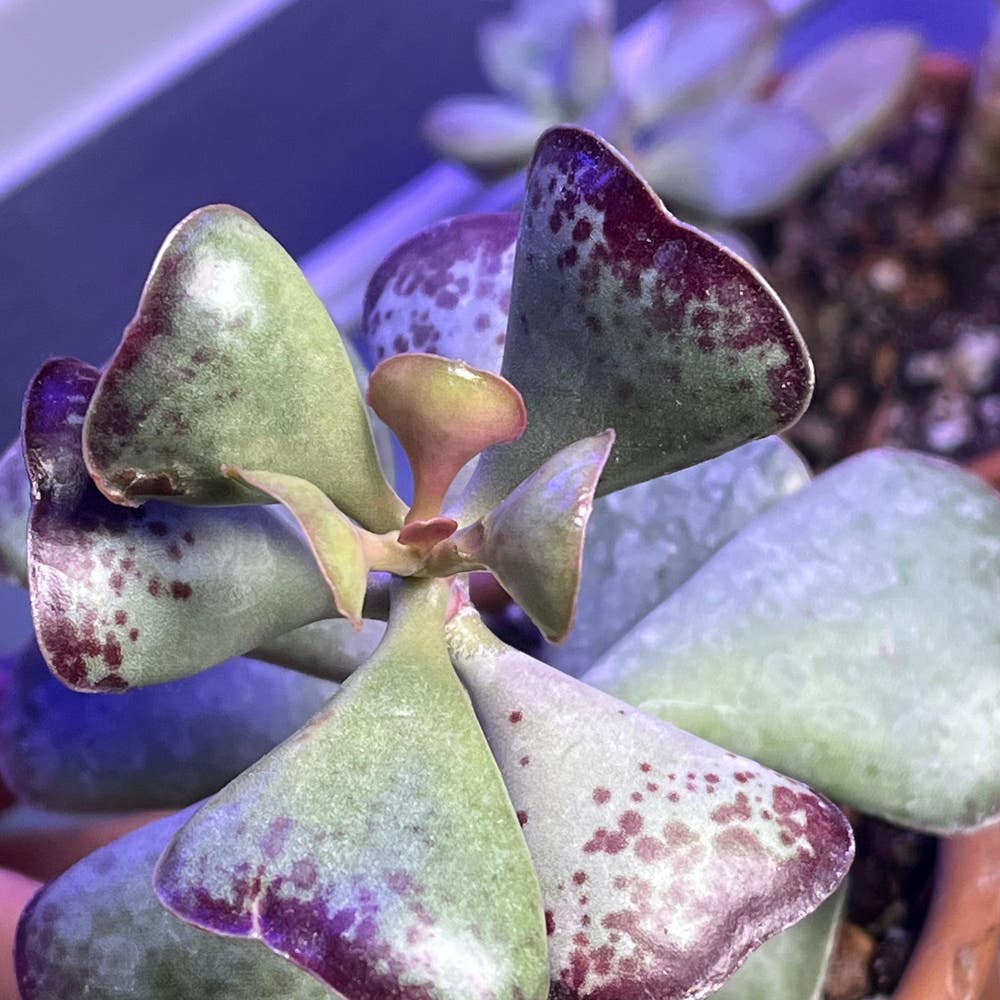
Black spots on Calico Hearts leaves are alarm signals. These blemishes can be circular or irregular, with a dark brown to black hue. Distinct edges or a yellowish halo often accompany them, suggesting a fungal origin. They typically appear on the leaf's upper surface, but don't overlook the underside.
🧪 The Diagnosis Duo: Fungal vs. Bacterial
To discern whether it's a fungus or bacteria wreaking havoc, examine the texture. Fungal spots may exhibit a powdery feel, while bacterial spots can be slimy to the touch. Fungal infections often present with concentric rings, whereas bacterial spots might look water-soaked.
🖼️ Visual Aids
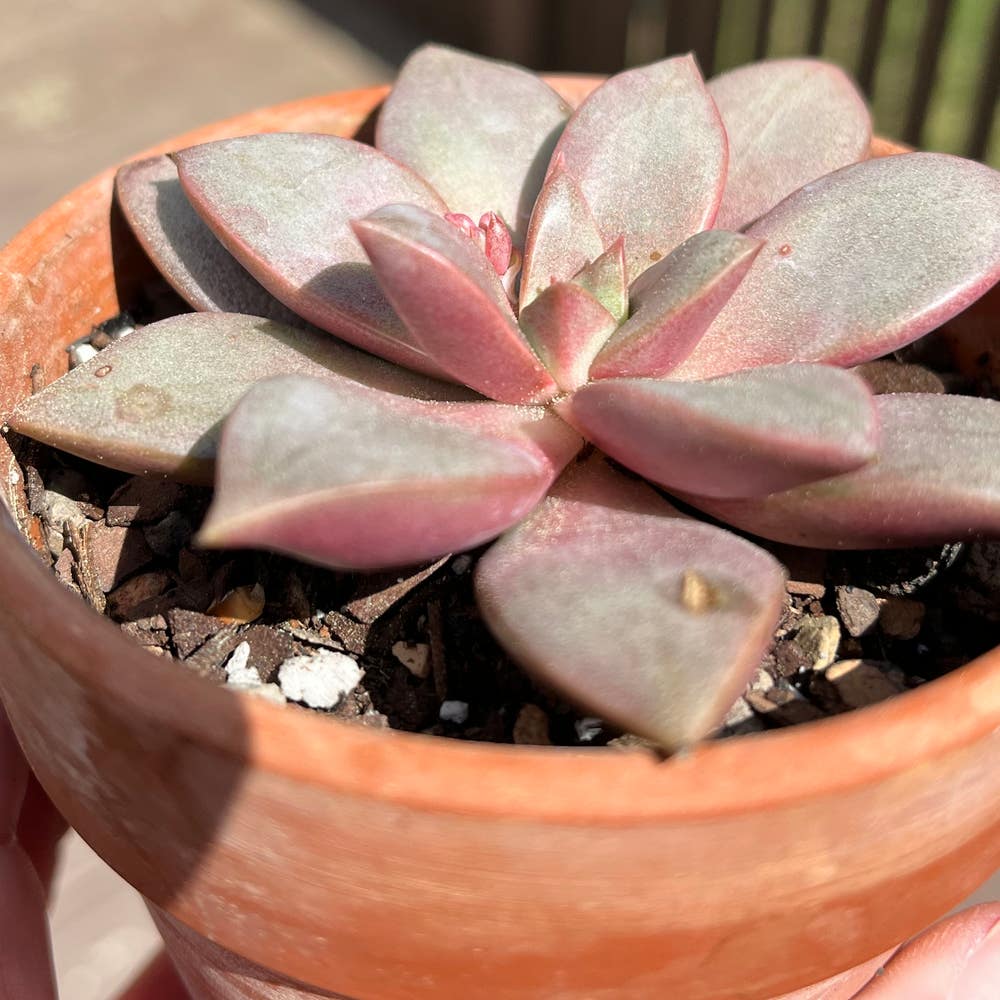
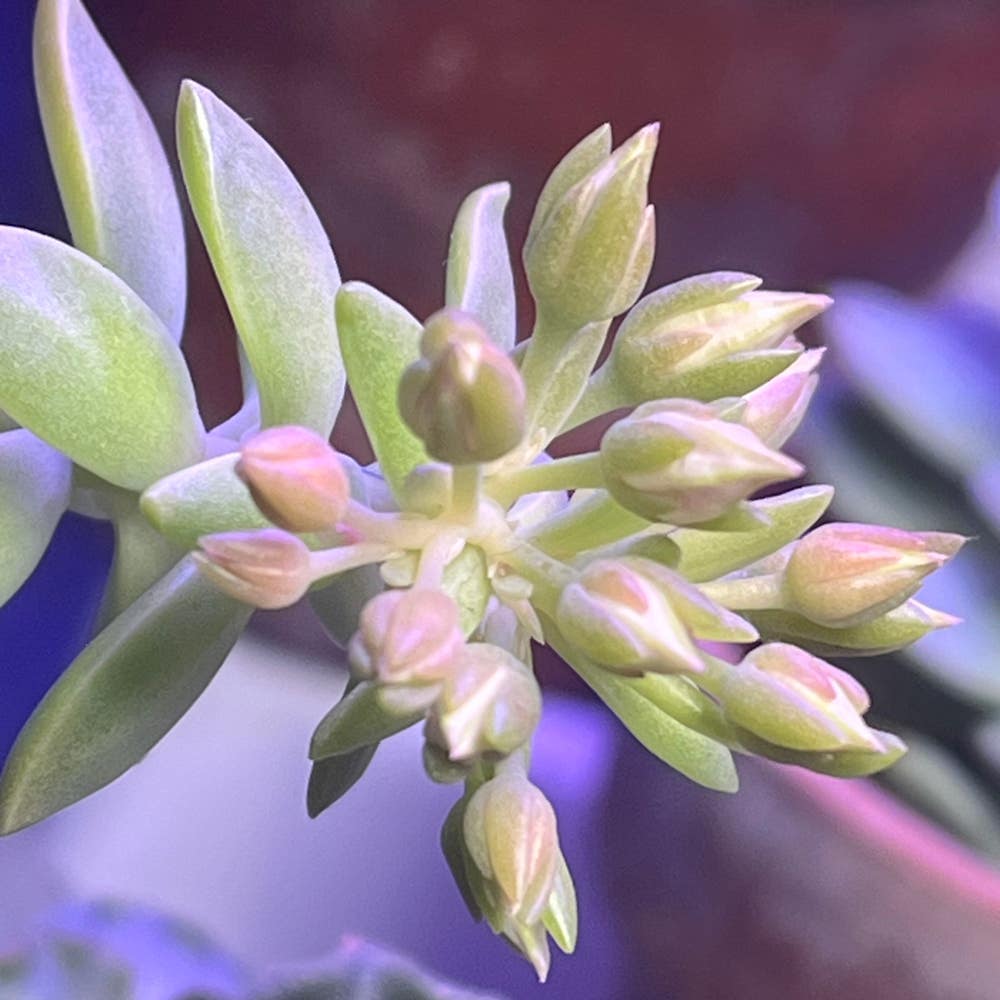
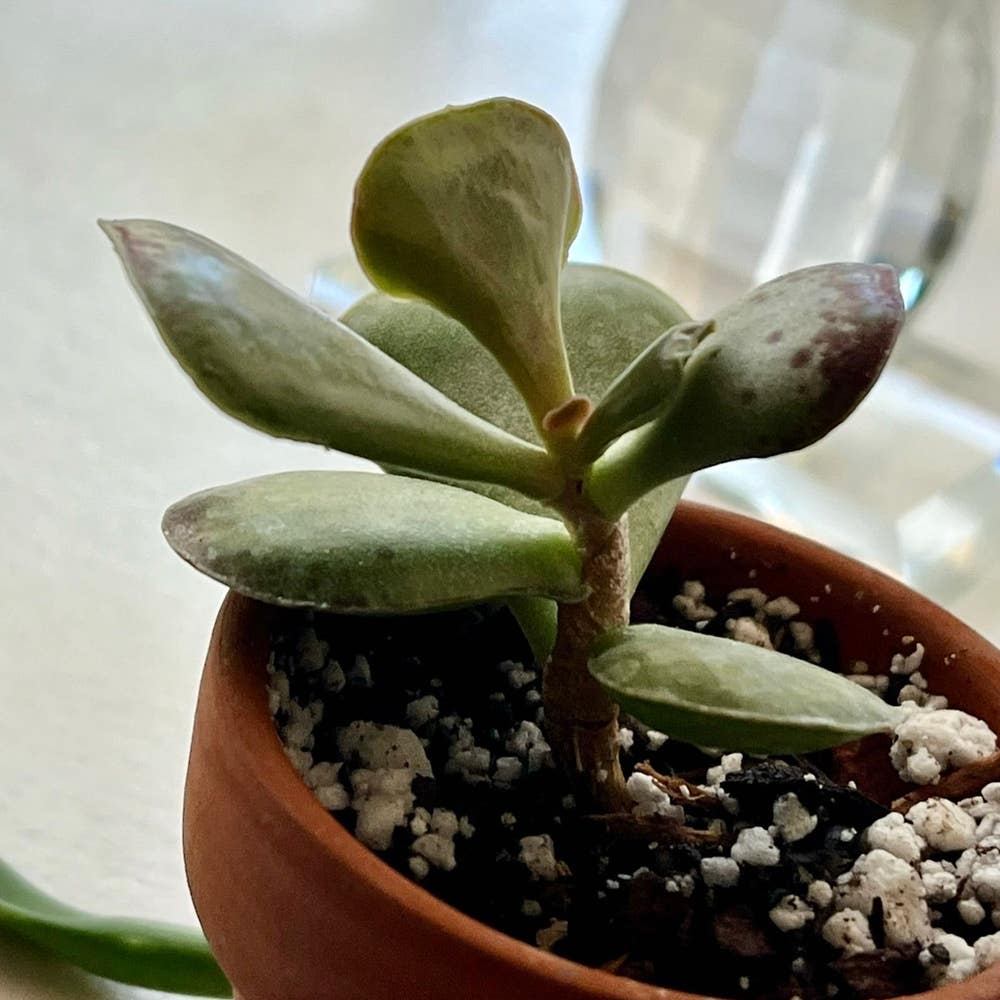
Visuals are key to identification. We provide images to help you spot the difference between natural variegation and troublesome black spots. Keep an eye out for spots with a red or yellow edge, which could indicate a serious infection. Regular inspection is crucial, so make flipping leaves part of your routine.

Rooting Out the Cause: What's Behind the Black Spots?
🍄 Fungal Foes
Fungi are stealthy invaders, often going unnoticed until their signature black spots mar the foliage of your Calico Hearts. These spots typically appear as circular brown lesions with yellow halos, signaling a fungal takeover. The environment plays accomplice to these culprits; they thrive in conditions that are moist and poorly ventilated. Overwatering and stale air are practically an invitation for fungi to settle in and spread their spores.
🦠 Bacterial Bullies
Bacterial infections are no less destructive, presenting as black or dark brown spots that can lead to a full-blown case of blight. These pathogens are especially fond of damp conditions, where they can multiply rapidly. Unlike their fungal counterparts, bacterial spots may appear slimy or ooze, and they often have a yellowish halo. Poor plant hygiene, such as using unsterilized tools or contaminated soil, can exacerbate the problem, turning a small issue into a plant health crisis.

Nipping It in the Bud: Treating Black Spots Effectively
🍄 Fungicide to the Rescue
When black spots invade your Calico Hearts, it's fungicide time. Think of it as your plant's personal bodyguard. Timing is crucial; apply at the first sign of trouble. Go for products with chlorothalonil or mancozeb, but don't overdo it—stick to the label's script.
💊 Battling Bacteria
Caught a case of the bacterial blues? Act fast. Like a cold, the sooner you treat it, the better. Antibacterial treatments are your plant's flu shot. Follow directions to the letter, and keep an eye out for improvement.
👩🌾 Cultural Practices
Prune away. Snip off those spotty leaves like a pro. Hygiene is paramount—clean your tools as if they're going into surgery. Boost air flow around your plant; it's like giving it room to breathe. Remember, prevention is better than cure, so keep your plant care sharp to avoid future outbreaks.

Keeping Your Calico Hearts Spot-Free: Prevention Tactics
🌿 Environmental Harmony
Adjusting your Calico Hearts' environment is key to keeping pathogens at bay. These succulents crave dryness, so skip the humidity-loving plant care routine. Bright, direct light is their jam; think less than a foot from a sunny window. It's like giving your plant a pair of sunglasses and a beach chair, minus the water.
💧 Water Wisely
Overwatering is the fast track to fungal fiestas. Water your Calico Hearts sparingly—only when the soil is bone dry. Imagine you're rationing water on a desert island; that's the kind of restraint we're talking about. Keep the leaves dry to avoid unwanted spots—think of it as avoiding splashes at a pool party.
🧼 Cleanliness is Key
Sanitation isn't just for hospitals; it's a plant care staple. Sterilize your tools as if prepping for surgery to prevent spreading any nasties. Clean up dead leaves and debris like you're erasing evidence at a crime scene. And remember, quarantine new plants like they're the new kid at school—you never know what they're bringing with them.
⚠️ Safety First
This content is for general information and may contain errors, omissions, or outdated details. It is not medical, veterinary advice, or an endorsement of therapeutic claims.
Always consult a qualified healthcare professional before using any plant as food, medicine, or supplement.
Never eat any plant (or feed one to pets) without confirming its identity with at least two trusted sources.
If you suspect poisoning, call Poison Control (800) 222-1222, the Pet Poison Helpline (800) 213-6680, or your local emergency service immediately.
Spotted an error? Please report it here.