Why Are My Calico Hearts Leaves Curling?
Adromischus maculatus
By the Greg Editorial Team
Jun 18, 2024•4 min read
This article was created with the help of AI so we can cover more plants for you. May contain errors. See one? Report it here.
- 🌡️ Extreme temps and drafts can make Calico Hearts leaves curl.
- 💧 Water wisely—balance is key to prevent curling from over or under-watering.
- 🌞 Right light placement is crucial to avoid leaf curl in Calico Hearts.
Pinpointing the Culprits Behind Leaf Curl
🌡️ Temperature Tantrums
Extreme temperatures are not friends with your Calico Hearts. Leaves curling up could be the plant's way of throwing a fit when it's too hot or too cold. Drafts? Just as bad. They sneak up like uninvited guests, causing leaves to curl in protest.
💧 Thirsty Roots or Drowning Despair
It's a balancing act with water. Too little, and your Calico Hearts' roots get thirsty, leading to curled leaves. Too much, and the roots might as well be swimming. Overwatering can drown your plant in sorrow, literally. Look for leaves that are either too dry or too limp to tell the tale.
💡 Let There Be (The Right Amount of) Light
Your plant craves that Goldilocks zone of lighting. Too much sun and the leaves might curl from a sunburn. Too little, and they'll reach for light like a kid for candy. Shade-shock or sunburn, both can make your Calico Hearts leaves curl up in distress.

Nourishment Know-How
💎 The Missing Minerals
Your Calico Hearts could be suffering silently from a lack of calcium and magnesium. Yellowing leaves or those with odd shapes might be crying out for these vital nutrients. A soil test can be your best ally to uncover what's amiss beneath the surface.
Overfeeding your plant can be just as harmful as neglect. It's a delicate dance of supply and demand. Think of it as a nutrient tightrope—too much, and you risk fertilizer burn; too little, and your plant's growth could be stunted.
🌡️ pH Perfection
Calico Hearts can be as picky about pH as a cat with its dinner. The wrong pH can lock away nutrients, leaving your plant malnourished even in a sea of plenty. Aim for a soil pH that's just right, allowing your plant to absorb the goodness you provide.
Organic matter in the soil isn't just filler—it's the life of the party for microbes that help your plant thrive. Keep the soil pH balanced, and your Calico Hearts will show its gratitude with vibrant, healthy leaves.

Turning Over a New Leaf: Remedies and Prevention
🌿 Environmental Equilibrium
Creating a stable environment for your Calico Hearts is like setting the thermostat for optimal human comfort. Avoid extremes: no saunas or ice rinks. A consistent temperature that doesn't swing wildly ensures leaves stay flat and fabulous. For acclimation, think slow and steady to avoid shocking your green buddy.
💧 Water Wisdom
Moisture monitoring is key. Your Calico Hearts craves a drink when the soil is just shy of dry. It's not a fan of soggy feet, so let the soil's top inch dry out before watering again. Seasonal shifts mean changing up your watering routine; less in winter, a bit more in summer. It's a dance, and you're leading.
🌞 Light and Shade Shuffling
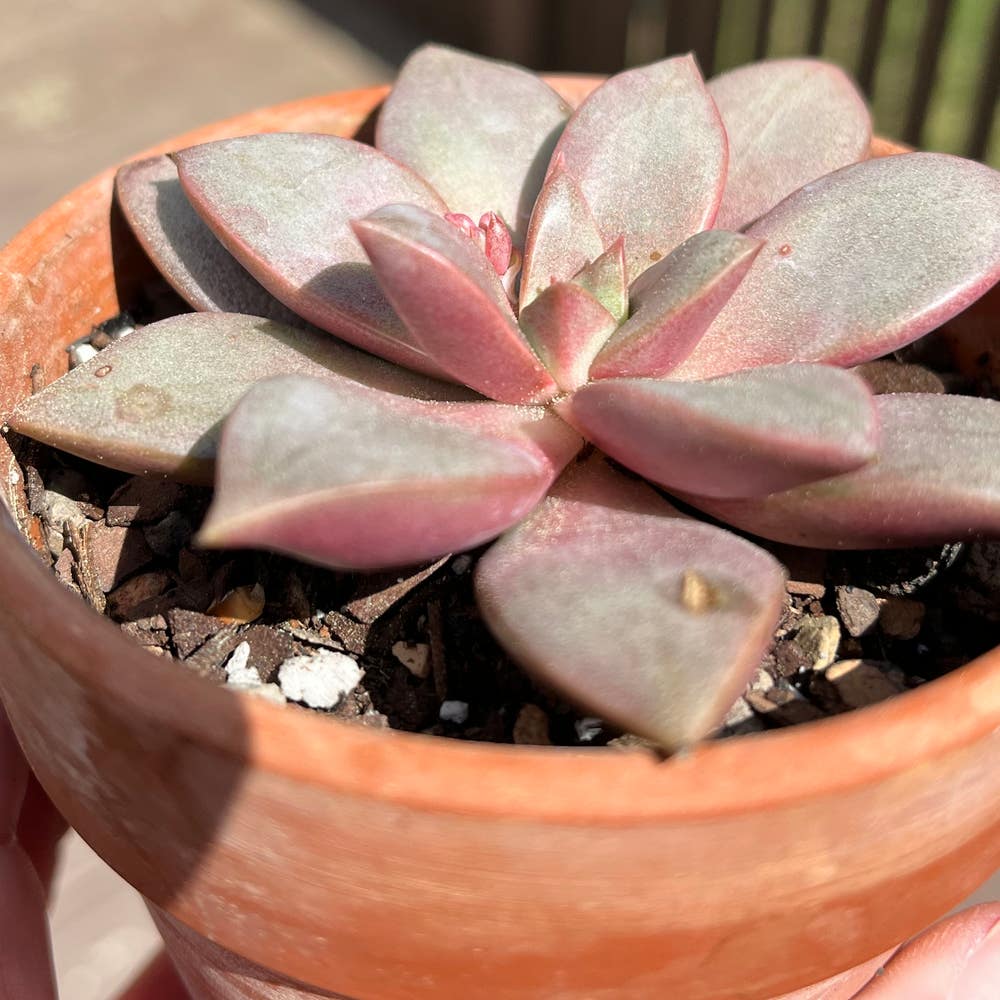
Place your Calico Hearts where the light is just right. Too much sun, and you'll have a crispy plant; too little, and you'll see the dreaded curl. If you're dealing with too much light, consider light filters or a strategic relocation. Rotate the pot regularly for an even tan—no one likes a lopsided sunburn.

Keeping the Peace with Preventative Practices
🩺 Regular Check-Ups: The Routine to Keep Your Calico Hearts in Check
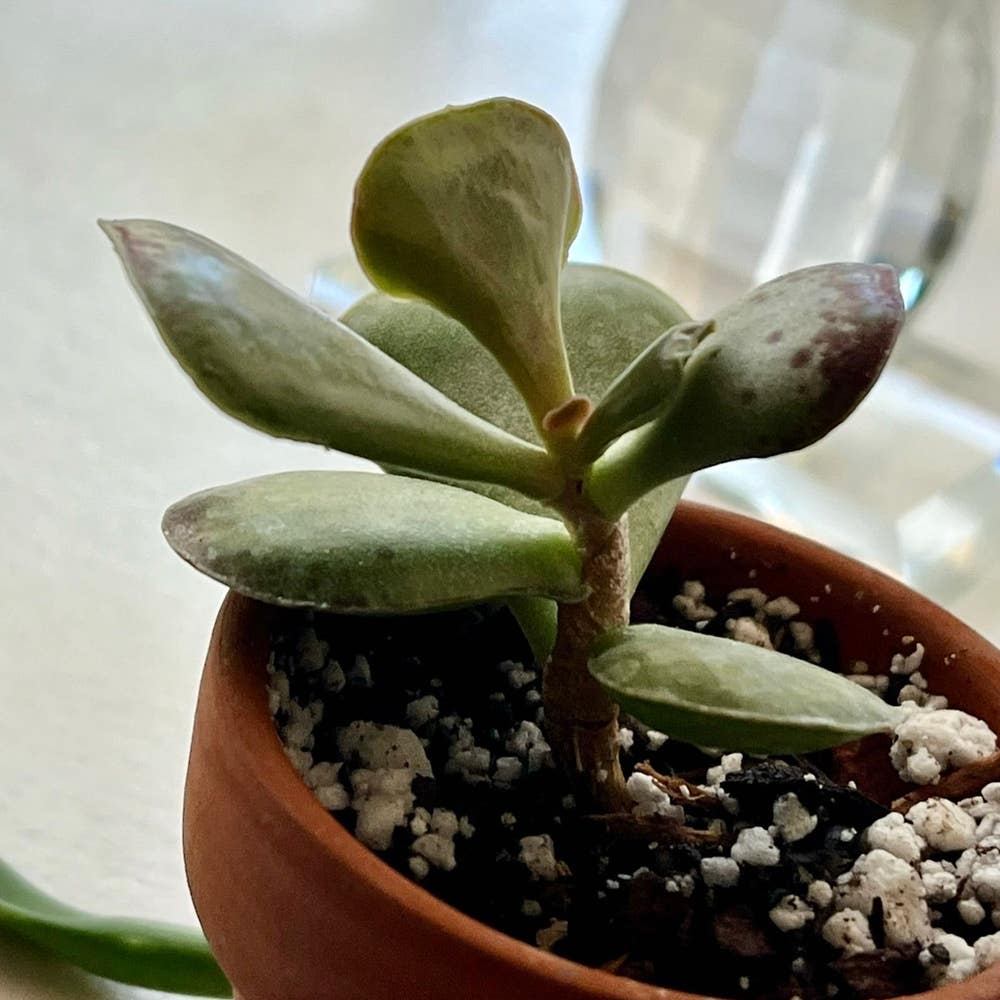
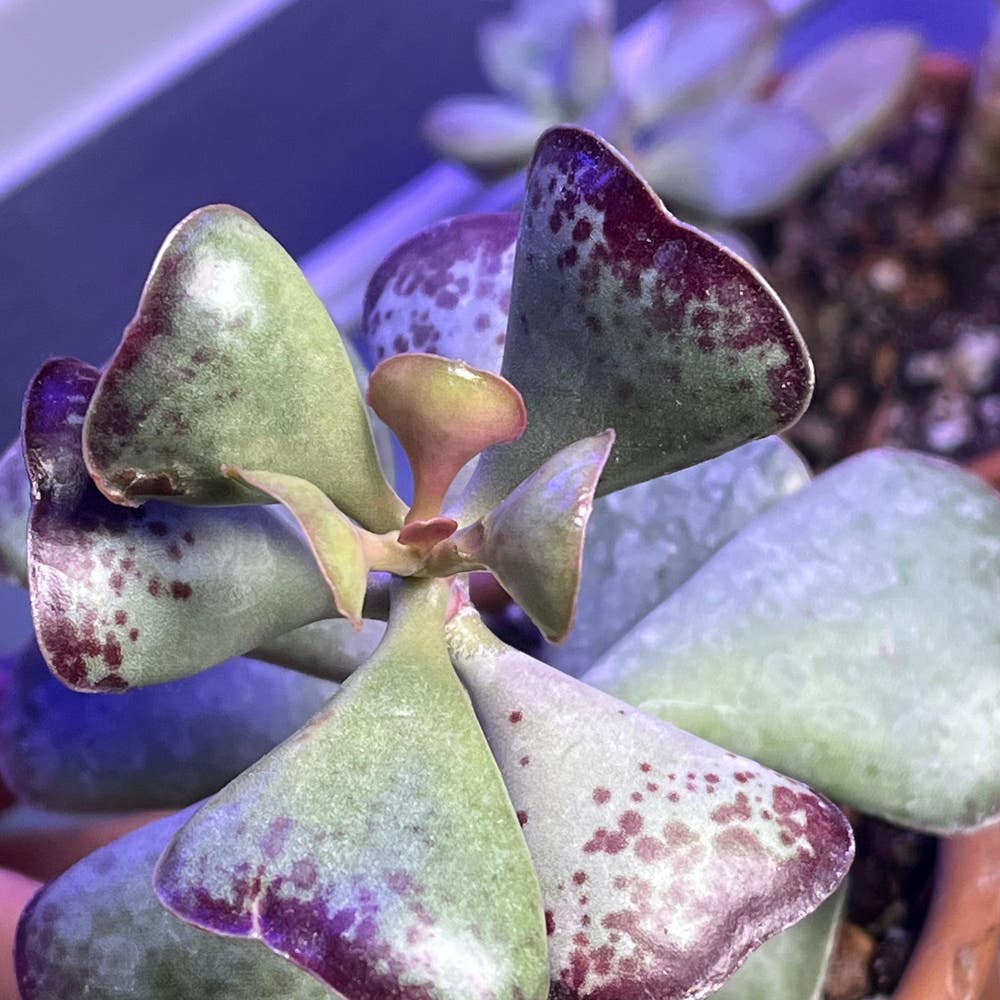
Consistency is your Calico Hearts' best friend. Make plant check-ups a part of your weekly routine. Like a personal trainer keeping tabs on your fitness, you need to keep an eye on your plant's health. Look for early signs of distress, such as discoloration or spotting. Act fast when you spot them; it's like catching a typo before you send a critical email.
🚨 The Early Warning System: Spotting the Signs Before the Curl Sets In
Stay vigilant. Your Calico Hearts will show signs when something's amiss. Curling leaves? Could be a cry for more humidity or less water. Weird patterns? Might be time to reassess the light situation. It's like noticing your jeans feel tight—it's probably time to check your diet before you need a new wardrobe. Keep a log of your plant's condition and any care adjustments you make. This isn't just busywork; it's like keeping receipts for tax season—essential for pinpointing what works and what doesn't.
⚠️ Safety First
This content is for general information and may contain errors, omissions, or outdated details. It is not medical, veterinary advice, or an endorsement of therapeutic claims.
Always consult a qualified healthcare professional before using any plant as food, medicine, or supplement.
Never eat any plant (or feed one to pets) without confirming its identity with at least two trusted sources.
If you suspect poisoning, call Poison Control (800) 222-1222, the Pet Poison Helpline (800) 213-6680, or your local emergency service immediately.
Spotted an error? Please report it here.
Keep your Calico Hearts' leaves unfurled and flourishing 🌿 with Greg's personalized care plan, ensuring the perfect balance of water, light, and nutrients.