🌵 Why Prickly Ash is Considered Invasive
Zanthoxylum spp.
By the Greg Editorial Team
Nov 06, 2024•6 min read
This article was created with the help of AI so we can cover more plants for you. May contain errors. See one? Report it here.
Protect your local ecosystems from invasive Prickly Ash 🌱 by mastering identification and management techniques today!
- 🌱 Prickly Ash outcompetes natives, disrupting ecosystems and reducing biodiversity.
- 🔍 Identify Prickly Ash by its spiny stems, compound leaves, and aromatic seed pods.
- ⚔️ Control methods include manual removal, targeted herbicides, and promoting native plants.
Plant Classification
🌱 Definition of Invasive Species and Weeds
Weeds are plants that grow where they are not wanted, often disrupting local ecosystems. Invasive species, a subset of weeds, are non-native plants that establish, spread, and cause harm to the environment, economy, or human health.
Invasive plants differ from non-invasive ones in several key ways. They typically exhibit rapid growth, high reproductive rates, and the ability to thrive in a variety of conditions, allowing them to outcompete native flora.
📊 Criteria for Classifying Prickly Ash as Invasive
Prickly Ash is classified as invasive due to its rapid spread. This species can quickly colonize new areas, often overwhelming local vegetation.
Its competitive nature further solidifies its invasive status. Prickly Ash aggressively competes for resources like sunlight, water, and nutrients, leaving little for native plants.
The ecological impact of Prickly Ash cannot be overlooked. Its presence disrupts local ecosystems, leading to a reduction in biodiversity and altering habitats for various species.
Identification
Key Identifying Features 🌿
Prickly Ash is easily recognized by its distinctive spiny stems. These stems are not just for show; they can deter herbivores and are a key characteristic of the plant.
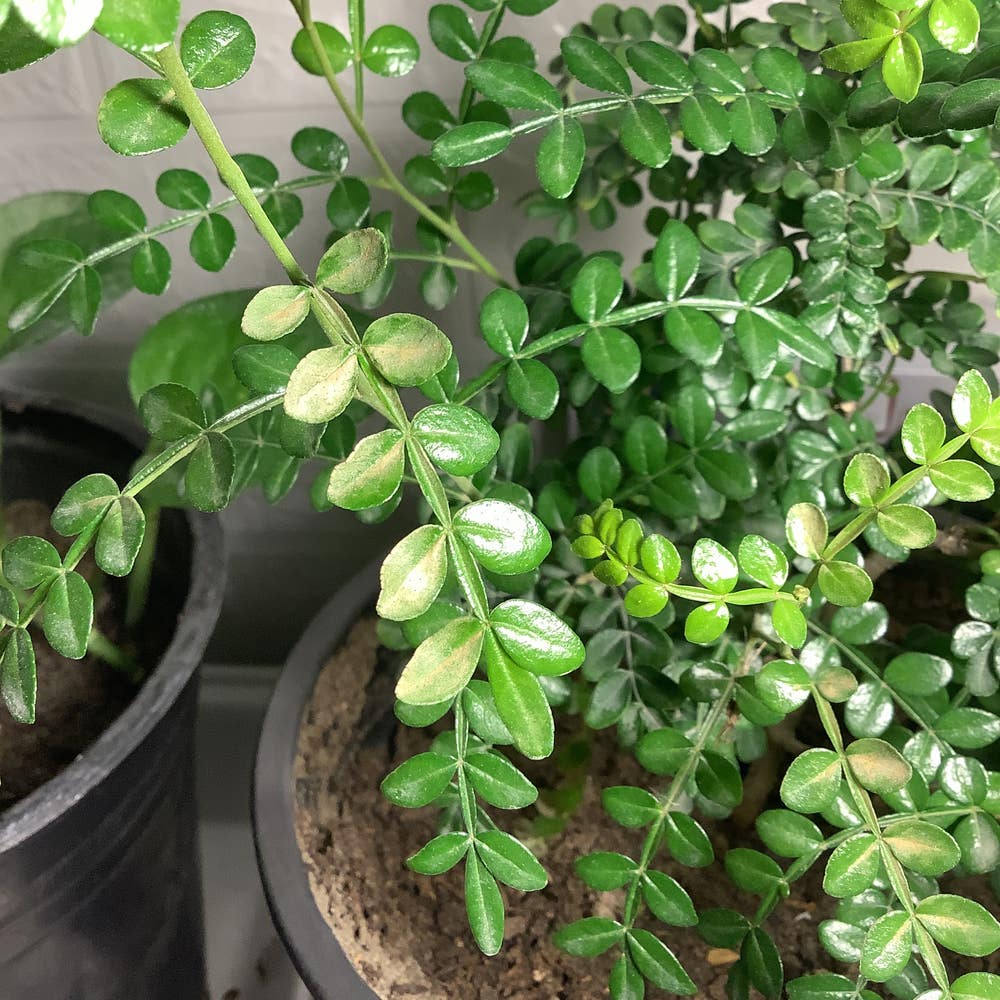
The compound leaves of Prickly Ash are another identifying feature. Each leaf consists of multiple leaflets arranged along a central stem, giving it a lush appearance that can be quite striking.
During the growing season, you may notice small yellow-green flowers. These flowers bloom in clusters and typically appear in late spring to early summer, adding a subtle charm to the plant.
After flowering, Prickly Ash produces aromatic seed pods. These pods are elongated and contain seeds that are dispersed by wind or animals, contributing to the plant's invasive spread.
Look-Alike Plants 👀
Several species can be mistaken for Prickly Ash, making identification tricky. One common look-alike is the Hercules' club (Zanthoxylum clava-herculis), which shares similar spiny stems but has a more robust structure.
Another potential confusion arises with various types of sumac. While sumacs have compound leaves, they typically lack the spiny stems and aromatic qualities of Prickly Ash.
To differentiate Prickly Ash, look for its unique combination of spines, leaf structure, and the presence of aromatic seed pods. This knowledge is crucial for effective management and control of this invasive species.
Understanding these identifying features and look-alikes will empower you to recognize Prickly Ash in the wild, setting the stage for informed action against its spread.
Growth Habits and Spread
🌱 Typical Growth Patterns
Prickly Ash is known for its rapid growth, often reaching maturity in just a few years. Typically, these plants can grow up to 15 feet tall and spread equally wide, making them formidable competitors in any landscape.
🌿 Reproductive Strategies and Methods of Spread
One of the key ways Prickly Ash spreads is through seed dispersal. Seeds can travel significant distances, aided by wind and animals, which helps the plant colonize new areas quickly.
In addition to seeds, Prickly Ash also reproduces vegetatively. Its extensive root system allows it to sprout new shoots, creating dense thickets that can choke out native plants.
☀️ Environmental Conditions Favoring Growth
Prickly Ash thrives in a variety of soil types, but it particularly favors well-drained, loamy soils. This adaptability allows it to establish itself in diverse environments.
For optimal growth, Prickly Ash requires ample sunlight and moisture. It typically flourishes in areas with full sun to partial shade, making it a resilient presence in many ecosystems.
Understanding these growth habits and environmental preferences is crucial for managing Prickly Ash effectively. By recognizing its rapid spread and reproductive strategies, we can better address its impact on local ecosystems.
Next, we will explore the ecological consequences of Prickly Ash's presence in native plant communities.
Ecological Impact
Effects on Native Plant Communities 🌱
Prickly Ash is a formidable competitor in the wild. It aggressively vies for resources such as sunlight, water, and nutrients, often outpacing native species in growth and establishment.
This competitive edge leads to a significant reduction in biodiversity. As Prickly Ash spreads, it can displace native plants, disrupting the delicate balance of local ecosystems and diminishing the variety of flora that supports various wildlife.
Impact on Wildlife and Biodiversity 🦋
The encroachment of Prickly Ash doesn't just affect plants; it also alters animal habitats. As native plants decline, the food sources and shelter that many animals rely on become scarce, leading to potential declines in wildlife populations.
Moreover, Prickly Ash can disrupt pollinator populations. Its presence may change the dynamics of pollination, as native flowers that attract bees and other pollinators are overshadowed, ultimately affecting the entire ecosystem's health and resilience.
In summary, the ecological impact of Prickly Ash is profound, influencing both plant communities and the wildlife that depends on them. Understanding these effects is crucial for effective management and conservation efforts.
Control and Management
🌿 Manual Removal Techniques
Effective control of Prickly Ash begins with identifying infested areas. Regular monitoring and assessment are crucial to catch infestations early.
To remove Prickly Ash manually, you'll need a few essential tools: shovels, pruners, and protective gear. These tools will help you tackle the plant safely and efficiently.
Here’s a step-by-step guide for effective removal:
- Identify the Infestation: Look for dense clusters of Prickly Ash.
- Prepare Your Tools: Gather your shovels and pruners.
- Cut Back the Plant: Trim the stems to ground level.
- Dig Out the Roots: Use a shovel to remove the root system completely.
- Dispose Properly: Ensure you dispose of the plant material to prevent regrowth.
🧪 Chemical Control Options
When manual removal isn't feasible, chemical control can be effective. Certain herbicides target Prickly Ash specifically, helping to manage its spread.
Always follow safety precautions when using herbicides. Wear protective clothing and ensure proper handling and application techniques to minimize risks to yourself and the environment.
🦠 Biological Control Methods
Exploring biological control methods can offer sustainable solutions. Natural predators or diseases may help keep Prickly Ash populations in check.
Current research is evaluating these options. Understanding how these biological agents interact with Prickly Ash can lead to effective management strategies.
🚫 Preventive Measures
Preventing the establishment of Prickly Ash is key to managing its spread. Best practices for land management include promoting healthy native plant communities.
Maintaining a diverse ecosystem can help resist invasive species. Healthy native plants can compete effectively against Prickly Ash, reducing its chances of taking hold.
⏰ Importance of Early Detection and Rapid Response
Early detection is vital in controlling Prickly Ash. Implementing strategies for monitoring and identifying new infestations can make a significant difference.
Prompt action is essential. The sooner you respond to an infestation, the more manageable it will be, preventing further spread and protecting local ecosystems.
By staying vigilant and proactive, you can help safeguard your environment from the invasive tendencies of Prickly Ash.
⚠️ Safety First
This content is for general information and may contain errors, omissions, or outdated details. It is not medical, veterinary advice, or an endorsement of therapeutic claims.
Always consult a qualified healthcare professional before using any plant as food, medicine, or supplement.
Never eat any plant (or feed one to pets) without confirming its identity with at least two trusted sources.
If you suspect poisoning, call Poison Control (800) 222-1222, the Pet Poison Helpline (800) 213-6680, or your local emergency service immediately.
Spotted an error? Please report it here.
Protect your local ecosystems from invasive species like Prickly Ash by using Greg's auto-magic plant identification 🔍 to spot and manage them effectively!