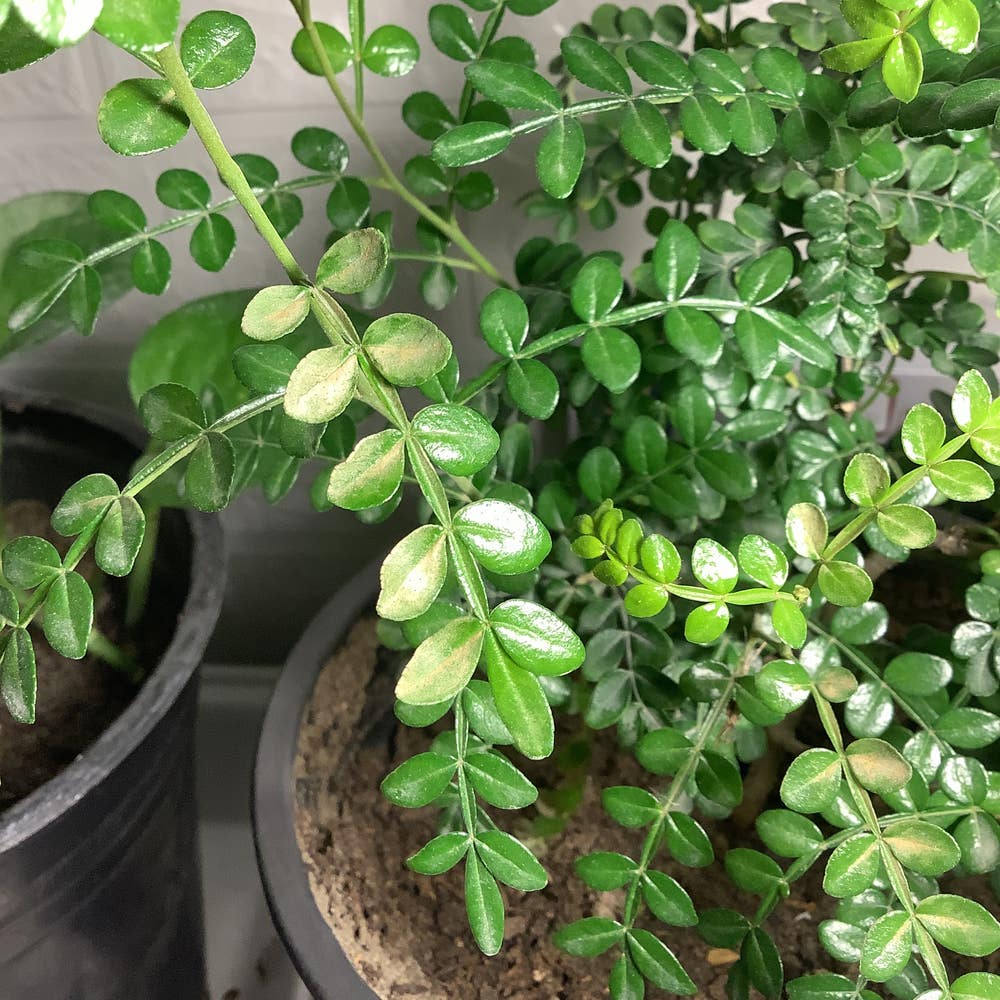
What to Do About Droopy Leaves on Your Prickly Ash 😞
Zanthoxylum spp.
By the Greg Editorial Team
Nov 06, 2024•7 min read
This article was created with the help of AI so we can cover more plants for you. May contain errors. See one? Report it here.
Transform your droopy Prickly Ash leaves 🌱 into vibrant foliage with these essential care tips for thriving plants!
- 🌡️ Droopy leaves indicate environmental stress; monitor heat, cold, and humidity levels.
- 💧 Overwatering and underwatering both cause droop; check soil moisture regularly.
- 🐛 Pests and diseases can lead to droopy leaves; inspect and control them promptly.
Causes of Droopy Leaves
🌍 Environmental Stress Factors
Droopy leaves on your Prickly Ash can often be traced back to environmental stress.
Heat Stress
During extreme heat, leaves may curl or droop as a protective response. To mitigate this, provide shade during peak sun hours to help your plant recover.
Cold Stress
Cold snaps or frost can also lead to droopy leaves. Using mulch to insulate the roots can help protect your plant from these temperature fluctuations.
Humidity Levels
Low humidity is another culprit that can cause leaf droop. Increasing humidity through misting or using pebble trays can create a more favorable environment for your Prickly Ash.
💧 Watering Issues
Watering practices play a crucial role in leaf health. Both overwatering and underwatering can lead to droopy leaves.
Overwatering
Symptoms of overwatering include yellowing leaves and soggy soil. This often results from poor drainage or excessive rainfall, so allow the soil to dry out between waterings and ensure proper drainage.
Underwatering
On the flip side, underwatering leads to wilting and droopy leaves. This typically occurs due to infrequent watering or drought conditions, so aim to water deeply and consistently while regularly checking soil moisture.
🥦 Nutrient Deficiencies
Nutrient deficiencies can also contribute to droopy leaves. Identifying and addressing these deficiencies is essential for plant health.
Nitrogen Deficiency
A nitrogen deficiency manifests as yellowing leaves and stunted growth. Applying a balanced fertilizer high in nitrogen can help restore your plant's vigor.
Magnesium Deficiency
Interveinal chlorosis, or yellowing between leaf veins, indicates a magnesium deficiency. Using Epsom salt or magnesium-rich fertilizers can effectively treat this issue.
Iron Deficiency
If you notice yellowing leaves with green veins, your plant may be suffering from iron deficiency. Applying chelated iron supplements can help correct this problem.
🐛 Pest Infestations
Pest infestations can wreak havoc on your Prickly Ash, leading to droopy leaves.
Common Pests
- Leafcutter Bee: Look for notched leaf edges. Encourage natural predators or use insecticidal soap if necessary.
- Aphids: Sticky residue on leaves and distorted growth are telltale signs. Introduce ladybugs or apply neem oil for control.
- Spider Mites: Fine webbing and speckled leaves indicate an infestation. Increasing humidity and using miticides can help manage these pests.
🦠 Diseases
Diseases can also cause droopy leaves, with both fungal and bacterial infections being common culprits.
Fungal Infections
Powdery mildew presents as white powdery spots on leaves. Improving air circulation and applying fungicides can help combat this issue.
Bacterial Infections
Leaf spot, characterized by dark spots on leaves, can lead to droop. Removing affected leaves and applying copper-based fungicides are effective treatments.
Understanding these causes is the first step toward reviving your Prickly Ash. With the right care and attention, you can help your plant thrive again.
Diagnosing Droopy Leaves
👀 Visual Signs to Look For
When diagnosing droopy leaves on your Prickly Ash, start by observing color changes. Yellowing, browning, or mottled leaves can indicate underlying issues that need attention.
Next, pay attention to texture changes. Leaves that are wilting, curling, or crisping often signal stress, whether from environmental factors or care practices.
💧 Soil Moisture Testing Methods
One effective method to check soil moisture is the finger test. Simply insert your finger into the soil; if it feels dry 1-2 inches down, it's time to water.
For a more precise measurement, consider using a soil moisture meter. This handy tool provides accurate readings, helping you maintain optimal moisture levels for your plant.
🌤️ Assessing Environmental Conditions
Light conditions are crucial for your Prickly Ash's health. Ensure it receives partial shade, as too much direct sunlight can lead to stress and droopy leaves.
Temperature is another key factor. Monitor for extreme fluctuations that could adversely affect leaf health, ensuring your plant remains in a stable environment.
By carefully observing these signs and conditions, you can effectively diagnose the causes of droopy leaves and take appropriate action. This proactive approach sets the stage for healthier growth and vibrant foliage.
Treatment for Droopy Leaves
🌊 Adjusting Watering Practices
Proper watering is crucial for reviving droopy leaves on your Prickly Ash.
- Water deeply to encourage robust root growth.
- Allow the top 1-2 inches of soil to dry out before watering again.
- Consider using the Greg plant care app for timely reminders on your watering schedule.
🌱 Fertilization Tips
Identifying nutrient needs is essential for healthy foliage.
Monitor your plant for symptoms like yellowing leaves to determine deficiencies.
Apply a balanced fertilizer during the growing season, following the package instructions for dosage to ensure optimal growth.
🐛 Pest Control Methods
Organic Options
For pest management, consider organic solutions first.
- Neem oil is effective against a variety of pests and is safe for your plants.
- Insecticidal soap is another great option, particularly for edible plants.
Chemical Options
If organic methods fall short, chemical options can be used as a last resort.
Always follow label instructions carefully to avoid harming your plant or the environment.
🦠 Disease Management Strategies
Preventive measures are key to keeping your Prickly Ash healthy.
Ensure good air circulation around the plant and avoid overhead watering to minimize disease risk.
If issues arise, apply appropriate fungicides or bactericides as needed to treat infections effectively.
By adjusting your watering practices, fertilizing appropriately, controlling pests, and managing diseases, you can help your Prickly Ash thrive and prevent droopy leaves in the future.
Next, let’s explore how to prevent droopy leaves through best practices and seasonal care tips.
Preventing Droopy Leaves
🌱 Best Practices for Care
To keep your Prickly Ash thriving, regularly check the soil moisture and adjust your watering schedule accordingly. Providing adequate light and shielding your plant from extreme weather conditions are essential for its overall health.
🌸 Seasonal Care Tips
Spring: This is the perfect time to fertilize and prune your Prickly Ash. A little attention now can set the stage for robust growth.
Summer: Keep a close eye on pests and diseases during the warmer months. Consistent watering is crucial to prevent stress from heat.
Fall: As temperatures drop, prepare your plant for winter by applying mulch and reducing watering frequency. This helps insulate the roots and conserves moisture.
🌍 Soil Health Maintenance
Soil quality plays a vital role in the health of your Prickly Ash. Use well-draining, nutrient-rich soil to promote strong root development.
Regularly amend your soil with organic matter to maintain its fertility. This practice not only nourishes your plant but also enhances soil structure, ensuring better moisture retention.
By following these best practices and seasonal tips, you can significantly reduce the chances of droopy leaves on your Prickly Ash. With a little care and attention, your plant will flourish, setting the stage for vibrant growth and resilience.
Next, let’s explore how to monitor and maintain your Prickly Ash for long-term success.
Monitoring and Maintenance
🌿 Regular Check-Ups for Leaf Health
Regular inspections of your Prickly Ash leaves are essential. Aim to check them weekly for any signs of droop or pest infestations.
Documenting changes in leaf appearance or growth patterns can help you identify issues early. This proactive approach allows you to respond quickly and effectively.
👀 Signs of Recovery to Look For
After implementing treatment, watch for new growth. Healthy leaves emerging is a strong indicator that your plant is on the mend.
Additionally, improved leaf texture is a positive sign. Leaves returning to a firm, vibrant state suggest that your care efforts are paying off.
📅 Long-Term Care Strategies
Establishing a consistent care routine is crucial for the long-term health of your Prickly Ash. Regular watering, fertilization, and pest control should become part of your gardening habit.
Be prepared to adjust your practices based on seasonal changes and how your plant responds. This adaptability will ensure your Prickly Ash thrives throughout the year.
By staying vigilant and responsive, you can maintain the health of your Prickly Ash and enjoy its beauty for years to come. Next, let’s explore effective treatment options for droopy leaves.
⚠️ Safety First
This content is for general information and may contain errors, omissions, or outdated details. It is not medical, veterinary advice, or an endorsement of therapeutic claims.
Always consult a qualified healthcare professional before using any plant as food, medicine, or supplement.
Never eat any plant (or feed one to pets) without confirming its identity with at least two trusted sources.
If you suspect poisoning, call Poison Control (800) 222-1222, the Pet Poison Helpline (800) 213-6680, or your local emergency service immediately.
Spotted an error? Please report it here.
Revive your droopy Prickly Ash with Greg's tailored care tips 🌿 that help you monitor moisture and nutrients, ensuring your plant bounces back to vibrant health!