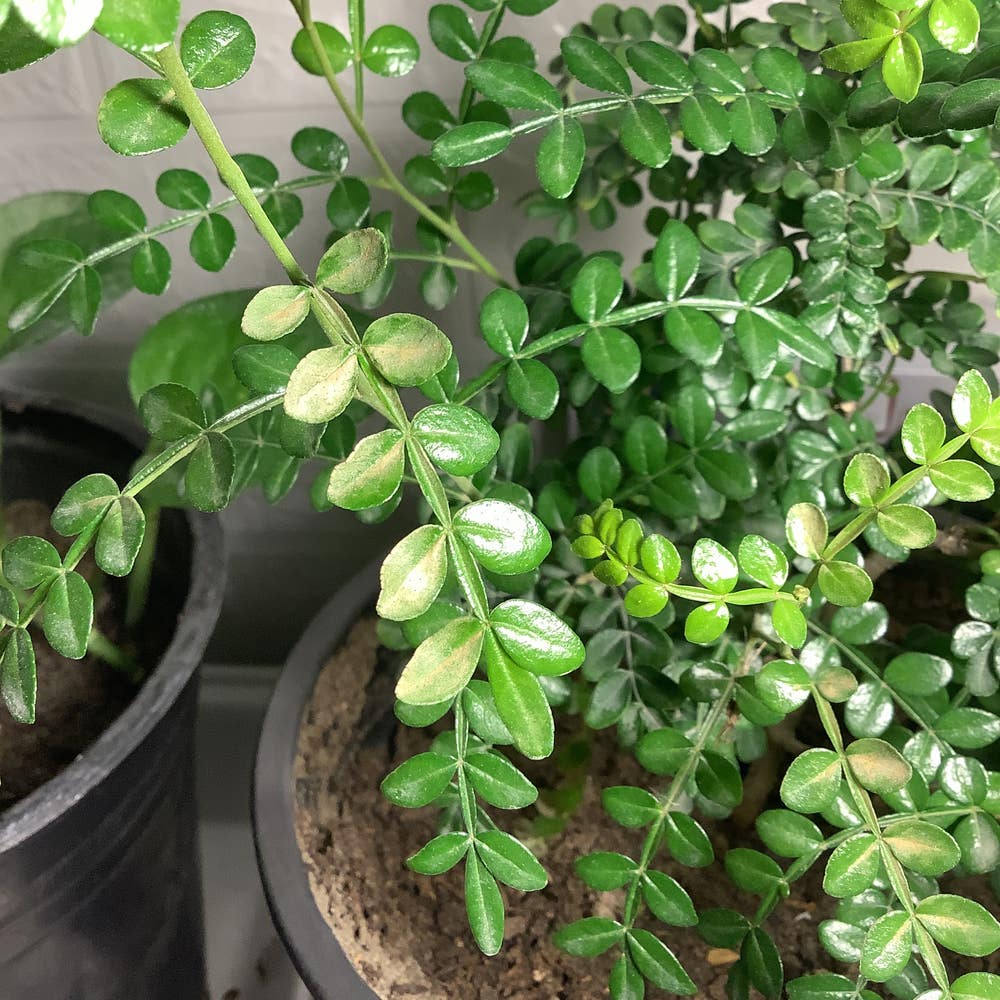
🌵 Step-by-Step Guide to Treating Root Rot in Prickly Ash
Zanthoxylum spp.
By the Greg Editorial Team
Nov 06, 2024•6 min read
This article was created with the help of AI so we can cover more plants for you. May contain errors. See one? Report it here.
Save your Prickly Ash from root rot with expert tips for prevention and recovery! 🌿
- 💧 Overwatering causes root rot in Prickly Ash by depriving roots of oxygen.
- 🌱 Symptoms include yellowing leaves and wilting, indicating potential root issues.
- 🛠️ Treat root rot by trimming affected roots and repotting in well-draining soil.
Causes of Root Rot
Understanding the causes of root rot is crucial for effective prevention and treatment. Let's dive into the main culprits behind this common issue.
💧 Overwatering
Overwatering is often the primary cause of root rot. Excess moisture creates anaerobic conditions, depriving roots of the oxygen they need to thrive.
🕳️ Poor Soil Drainage
Another significant factor is poor soil drainage. Compacted or heavy soils can retain water, leading to soggy roots that are susceptible to decay.
🍄 Fungal Infections
Fungal infections, particularly from pathogens like Phytophthora and Fusarium, can wreak havoc on your plants. These fungi thrive in damp environments, further exacerbating root rot.
🌬️ Environmental Stress
Lastly, environmental stress plays a role. Temperature fluctuations and poor air circulation can weaken plants, making them more vulnerable to root rot.
By recognizing these causes, you can take proactive steps to protect your Prickly Ash from root rot. Next, we'll explore the symptoms that indicate your plant may be suffering from this condition.
Symptoms of Root Rot
Recognizing the symptoms of root rot in your Prickly Ash is crucial for timely intervention. Here are the key signs to watch for:
🌿 Yellowing Leaves
One of the first indicators of root rot is yellowing leaves. This often signals nutrient deficiencies, as the plant struggles to absorb essential elements due to compromised roots.
💧 Wilting
You might notice wilting even when you've watered adequately. This paradox occurs because the roots are unable to take up water effectively, leaving the plant thirsty despite your efforts.
🪴 Root Discoloration
When you inspect the roots, look for discoloration. Healthy roots should be firm and white, while rotting roots appear dark and mushy, indicating decay.
📉 Stunted Growth
Overall decline in plant vigor is another telltale sign. If your Prickly Ash seems to be growing slower than usual or has stopped growing altogether, root rot may be the culprit.
By being vigilant about these symptoms, you can catch root rot early and take action. Next, let’s explore how to diagnose root rot effectively.
Diagnosing Root Rot
Diagnosing root rot in your Prickly Ash is crucial for effective treatment. Start with a visual inspection to check for signs of wilting and leaf discoloration.
👀 Visual Inspection
Look closely at the leaves. If they’re yellowing or wilting despite regular watering, it’s a red flag. These symptoms often indicate that the roots are struggling to absorb nutrients due to rot.
🔍 Root Examination
Next, it’s time for a root examination. Gently remove the plant from its pot, taking care not to damage the roots.
Inspect the roots for any signs of decay. Healthy roots should be firm and white, while rotting roots will appear dark and mushy.
💧 Soil Moisture Test
Finally, assess the soil moisture levels. You can use a moisture meter for accuracy or simply stick your finger into the soil.
If the top inch feels consistently wet, it’s a strong indication of overwatering, a common cause of root rot.
By following these steps, you can accurately diagnose root rot and take the necessary actions to save your Prickly Ash. Next, let’s explore how to treat this condition effectively.
Treating Root Rot
Dealing with root rot can feel overwhelming, but with a systematic approach, you can save your Prickly Ash. Follow these steps to treat the condition effectively.
🌱 Step-by-Step Treatment Process
Remove the plant from its pot: Start by gently loosening the soil around the roots. This helps minimize damage during extraction.
Inspect the roots: Look closely at the roots to differentiate between healthy and rotting ones. Healthy roots are firm and white, while rotting roots appear dark and mushy.
Trim affected roots: Using sterilized scissors, carefully cut away any mushy, dark roots. This prevents the spread of rot to healthy areas.
Clean the remaining roots: Rinse the healthy roots under clean water. This removes any lingering soil and pathogens that could cause further issues.
Prepare a new potting mix: Choose a well-draining soil mix suitable for Prickly Ash. A mix that includes perlite or sand can enhance drainage.
Repot the plant: Place your Prickly Ash in a clean pot filled with fresh soil. Ensure the plant is at the correct depth to promote healthy growth.
Water sparingly: After repotting, allow the soil to dry out slightly before watering again. This helps prevent reoccurrence of root rot.
🧪 Recommended Fungicides
To further protect your plant, consider using fungicides. Here’s what you need to know:
🔬 Types of Fungicides
- Systemic fungicides: These are absorbed by the plant and provide internal protection.
- Contact fungicides: These work on the surface and need to be applied directly to the affected areas.
💧 Application Methods
Always follow the label instructions for effective treatment. Proper application ensures that the fungicide works as intended.
🌿 Organic Options
If you prefer a natural approach, consider using neem oil or beneficial microbes. These options can help restore root health without harsh chemicals.
By following these steps and utilizing recommended treatments, you can effectively combat root rot in your Prickly Ash. Next, let’s explore how to prevent root rot from occurring in the first place.
Preventing Root Rot
🌱 Best Soil Types
To prevent root rot in Prickly Ash, start with well-draining soil. Sandy loam or loamy mixes are ideal, as they allow excess moisture to escape while retaining necessary nutrients.
⚖️ pH Requirements
Maintaining the right pH is crucial. Aim for a slightly acidic to neutral range, ideally between 6.0 and 7.0, to promote healthy root development.
🧪 Soil Amendments
Incorporating soil amendments can significantly enhance drainage. Adding perlite or sand to your potting mix helps create air pockets, allowing roots to breathe and preventing water retention.
💧 Proper Watering Techniques
⏰ Watering Frequency
Watering practices play a vital role in root health. Allow the top inch of soil to dry out between waterings to prevent over-saturation.
⚠️ Signs of Overwatering
Be vigilant for signs of overwatering, such as yellowing leaves or wilting. Adjust your watering schedule promptly to avoid stressing your plant.
🌦️ Seasonal Adjustments
Seasonal changes affect watering needs. Modify your watering frequency based on temperature and humidity levels to keep your Prickly Ash thriving.
🚿 Improving Drainage
🪴 Pot Selection
Choosing the right pot is essential. Opt for containers with adequate drainage holes to facilitate proper water flow.
🧬 Soil Amendments
Enhancing soil drainage can also be achieved by adding organic matter. This improves soil structure and promotes healthier root systems.
📏 Elevating Pots
Consider elevating your pots using pot feet or trays. This simple step prevents water accumulation at the base, further reducing the risk of root rot.
By implementing these preventive measures, you can create an environment where your Prickly Ash flourishes. Next, let’s explore the step-by-step treatment process for root rot if it does occur.
⚠️ Safety First
This content is for general information and may contain errors, omissions, or outdated details. It is not medical, veterinary advice, or an endorsement of therapeutic claims.
Always consult a qualified healthcare professional before using any plant as food, medicine, or supplement.
Never eat any plant (or feed one to pets) without confirming its identity with at least two trusted sources.
If you suspect poisoning, call Poison Control (800) 222-1222, the Pet Poison Helpline (800) 213-6680, or your local emergency service immediately.
Spotted an error? Please report it here.
Keep your Prickly Ash thriving by mastering root rot prevention with Greg's customized watering alerts 💧 and soil moisture tests that ensure your plant's roots stay strong and healthy!