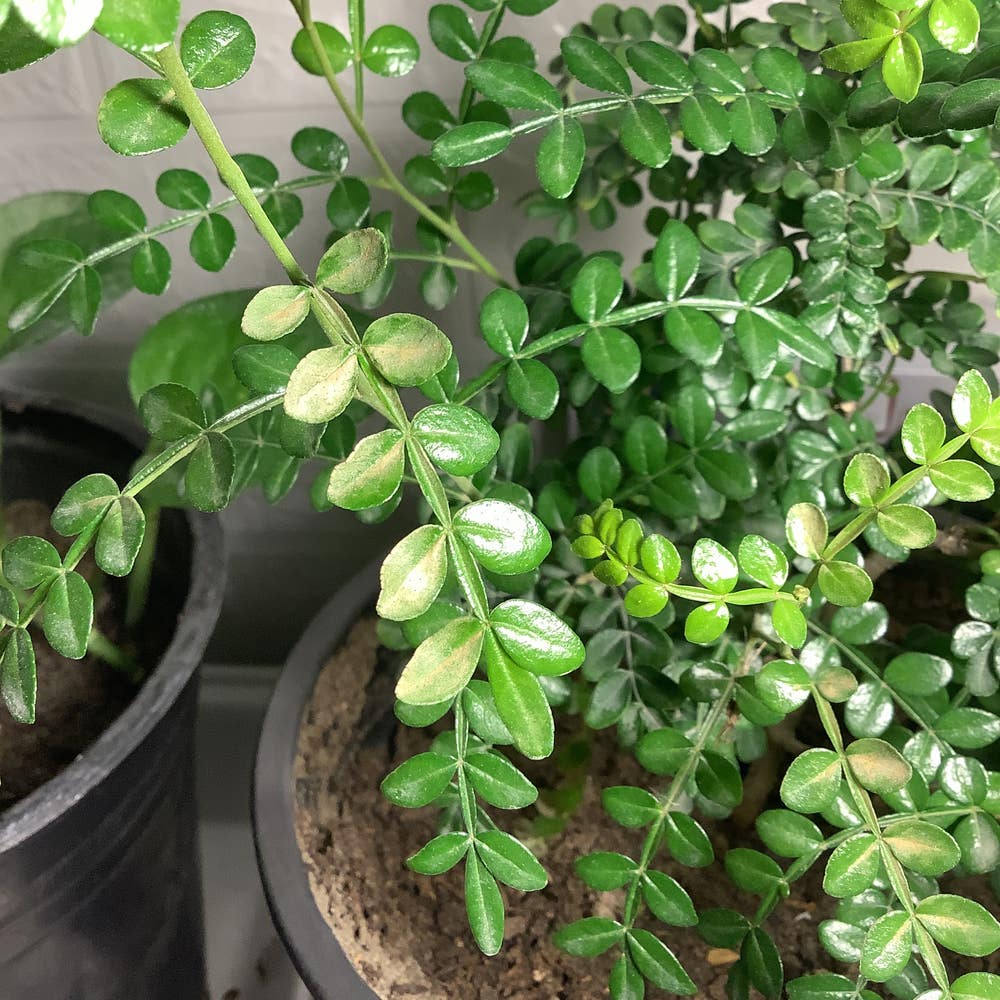
🌵 Prickly Ash: A Perennial Plant
Zanthoxylum spp.
By the Greg Editorial Team
Nov 06, 2024•6 min read
This article was created with the help of AI so we can cover more plants for you. May contain errors. See one? Report it here.
Transform your garden with resilient Prickly Ash, a perennial that thrives year after year! 🌱
- 🌱 Prickly Ash is a resilient perennial, thriving year after year from its root system.
- 🌼 Enjoy continuous blooms with Prickly Ash, unlike short-lived annual plants.
- 🌳 Optimal growth requires well-drained, nutrient-rich soil and consistent moisture for health.
Characteristics that Classify Prickly Ash as a Perennial
🌱 Multi-Year Lifecycle
Prickly Ash is classified as a perennial plant due to its remarkable multi-year lifecycle. Unlike annuals that complete their life cycle in one growing season and biennials that take two, Prickly Ash thrives year after year, establishing a robust presence in its environment.
This longevity allows it to adapt and flourish in various conditions, making it a resilient choice for gardeners. Its ability to persist through multiple seasons sets it apart from shorter-lived plants, ensuring a consistent contribution to the landscape.
🌳 Growth Patterns and Root Regrowth
One of the defining features of Prickly Ash is its capacity to regrow from the same root system each year. This characteristic not only supports its perennial nature but also enhances its ability to withstand adverse conditions.
Over the years, Prickly Ash exhibits distinctive growth patterns, typically reaching heights of 6 to 15 feet and spreading outwards as it matures. The established root systems play a crucial role in this process, providing stability and resources that fuel the plant's growth and resilience.
In summary, the multi-year lifecycle and robust root regrowth of Prickly Ash highlight its classification as a perennial plant. These traits not only contribute to its longevity but also make it an excellent choice for sustainable gardening practices.
As we explore the seasonal changes and their effects on growth, we’ll see how these factors further influence the life of Prickly Ash.
Seasonal Changes and Their Effects on Growth
🌱 Dormancy and Seasonal Changes
Prickly Ash undergoes significant physiological changes during its dormant phase. This period is crucial for energy conservation, allowing the plant to survive harsh conditions while preparing for the next growth cycle.
As seasons shift, Prickly Ash responds dynamically to environmental cues. The onset of colder temperatures triggers dormancy, while warmer weather signals the plant to awaken and start growing again.
🌡️ Impact of Temperature and Light
Temperature and light play pivotal roles in the lifecycle of Prickly Ash. During dormancy, reduced light and cooler temperatures help the plant conserve resources, ensuring it can thrive when conditions improve.
In spring, as daylight increases and temperatures rise, Prickly Ash begins to sprout new leaves and stems. This responsiveness to seasonal changes is vital for its growth and overall health, allowing it to adapt to varying environmental conditions.
Understanding these seasonal dynamics can help gardeners optimize care for Prickly Ash, ensuring it flourishes year after year. With this knowledge, you can better appreciate the resilience and adaptability of this remarkable perennial plant.
Next, we will explore how the perennial nature of Prickly Ash influences its flowering patterns and lifespan.
Implications of Perennial Nature on Prickly Ash
🌸 Effects on Flowering and Lifespan
Prickly Ash's perennial nature significantly influences its flowering patterns. Unlike annual plants that bloom once and die, Prickly Ash flowers multiple times throughout its life, providing a continuous display of beauty.
The expected lifespan of Prickly Ash can range from several years to decades, depending on environmental conditions. Factors such as soil quality, moisture levels, and climate can all contribute to the longevity of this resilient plant.
🌱 Advantages for Gardeners
For gardeners, the perennial nature of Prickly Ash offers numerous benefits. One of the most appealing aspects is the reduced need for replanting, allowing for a more stable garden environment.
Established root systems play a crucial role in enhancing the plant's resilience and adaptability. This means that once planted, Prickly Ash can thrive with less maintenance, making it a smart choice for both novice and experienced gardeners.
Incorporating Prickly Ash into your garden not only adds beauty but also simplifies your gardening routine. As you plan your garden, consider the long-term advantages of this remarkable perennial.
Longevity Factors of Prickly Ash
🌱 Expected Lifespan and Influencing Factors
Prickly Ash typically enjoys a lifespan of 20 to 30 years under optimal conditions. This longevity allows it to thrive in various environments, making it a resilient choice for gardeners.
Climate zones play a crucial role in the plant's perennial behavior. In warmer regions, Prickly Ash may flourish longer, while colder climates can shorten its lifespan due to harsher conditions.
Soil quality significantly influences the health and longevity of Prickly Ash. Well-drained, nutrient-rich soil promotes robust growth, while poor soil can stunt its development.
Moisture levels are equally important. Consistent moisture supports healthy root systems, but excessive water can lead to root rot, jeopardizing the plant's lifespan.
Temperature fluctuations also affect Prickly Ash's vitality. Extreme heat or cold can stress the plant, impacting its growth and overall health.
Understanding these factors can help gardeners create the ideal conditions for Prickly Ash, ensuring it thrives for years to come. By paying attention to climate, soil, moisture, and temperature, you can maximize the benefits of this remarkable perennial.
As we explore the implications of Prickly Ash's perennial nature, we’ll uncover how it influences flowering and longevity in the next section.
Maximizing Benefits in Garden Planning
🌿 Tips for Utilizing Prickly Ash
Incorporating Prickly Ash into your garden design can yield long-term benefits. This resilient perennial thrives in various conditions, making it an excellent choice for diverse landscapes.
Consider planting Prickly Ash in areas that receive partial shade, as it prefers a balance of sunlight and protection. Its unique texture and vibrant foliage can add depth to your garden, especially when paired with other plants.
For companion planting, consider species that share similar moisture and light requirements. Plants like ferns or shade-tolerant perennials can complement Prickly Ash beautifully, creating a harmonious ecosystem.
📈 Long-Term Cultivation Strategies
Maintaining healthy Prickly Ash plants requires a proactive approach. Regularly monitor their growth patterns to ensure they thrive year after year.
Adjust your care based on seasonal changes, such as watering more during dry spells or providing mulch for winter protection. This attention to detail will enhance the plant's resilience and adaptability.
Additionally, consider soil quality and moisture levels, as these factors significantly influence plant health. Regularly testing your soil can help you make informed decisions about amendments and care.
By following these strategies, you can maximize the benefits of Prickly Ash in your garden, ensuring it remains a vibrant and integral part of your landscape for years to come.
⚠️ Safety First
This content is for general information and may contain errors, omissions, or outdated details. It is not medical, veterinary advice, or an endorsement of therapeutic claims.
Always consult a qualified healthcare professional before using any plant as food, medicine, or supplement.
Never eat any plant (or feed one to pets) without confirming its identity with at least two trusted sources.
If you suspect poisoning, call Poison Control (800) 222-1222, the Pet Poison Helpline (800) 213-6680, or your local emergency service immediately.
Spotted an error? Please report it here.
Nurture your Prickly Ash to thrive year after year 🌱 with Greg's tailored care reminders that ensure your garden flourishes beautifully!