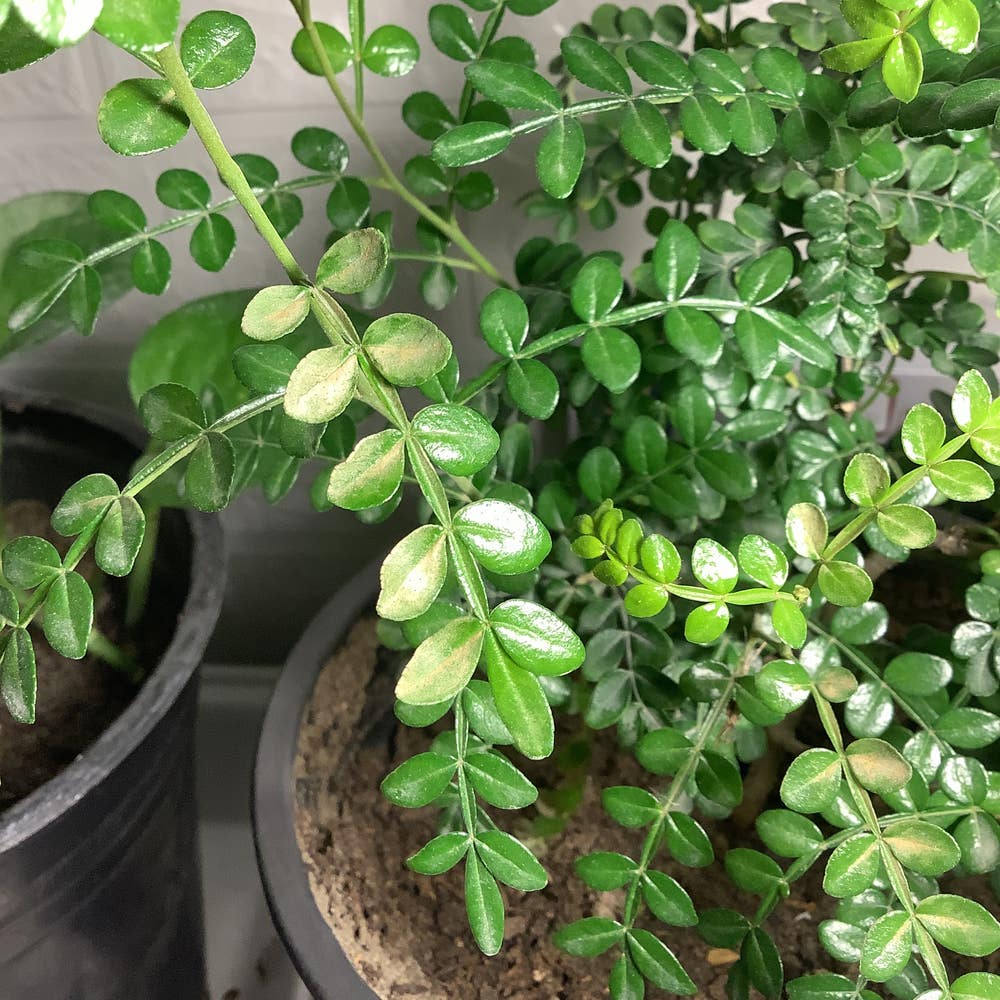
🌵 How to Cure Leaves Falling Over on Your Prickly Ash
Zanthoxylum spp.
By the Greg Editorial Team
Nov 06, 2024•6 min read
This article was created with the help of AI so we can cover more plants for you. May contain errors. See one? Report it here.
Ensure your Prickly Ash flourishes 🌿 by tackling leaf drop with expert care and prevention strategies!
- 🌡️ Prickly Ash thrives between 60°F to 80°F; avoid frost and extreme heat.
- 💧 Proper soil moisture is key; overwatering causes root rot, underwatering leads to wilting.
- 🌞 Full sun to partial shade is ideal; adjust light for optimal growth.
Causes of Leaf Drop
🌪️ Environmental Stress Factors
Temperature Extremes
Temperature plays a crucial role in the health of your Prickly Ash. Frost can damage leaves, while excessive heat can lead to stress, making it vital to maintain an ideal temperature range of 60°F to 80°F (15°C to 27°C).
Soil Moisture Levels
Well-drained soil is essential for your plant's health. Overwatering can cause yellowing leaves and root rot, while underwatering leads to wilting and leaf curl, signaling that your plant needs immediate attention.
Light Conditions
Prickly Ash thrives in full sun to partial shade. Too much light can scorch leaves, while insufficient light can stunt growth, so finding the right balance is key.
🐛 Pests Affecting Leaf Drop
Common Pests
Aphids and scale insects are common culprits behind leaf drop. Look for sticky residue and curled leaves as signs of aphid infestation, while scale insects can be identified by their hard, shell-like appearance on stems and leaves.
Pest Control Methods
Organic options like neem oil and insecticidal soap can effectively manage these pests. Regular monitoring and early intervention are crucial to prevent infestations from escalating.
🥦 Nutrient Deficiencies
Essential Nutrients
Nitrogen is vital for leaf growth and overall health. Magnesium deficiency can manifest as leaf curling and yellowing, indicating that your plant may need a nutrient boost.
Soil Testing
Conducting a soil test can help identify nutrient deficiencies. Based on the results, you can amend the soil with the necessary nutrients to support your Prickly Ash's health.
🔍 Diagnosing Leaf Problems
Identifying Symptoms of Leaf Drop
Common symptoms include wilting leaves, which can indicate various issues, and leaf curl, which may stem from either environmental stress or pest damage. Regular inspections of leaves and stems can help catch these problems early.
Differentiating Between Causes
Visual indicators can help you distinguish between pest damage, nutrient deficiencies, and environmental stress. Keeping a record of changes in plant health and environmental conditions will aid in accurate diagnosis and treatment.
Understanding these causes of leaf drop is crucial for maintaining the health of your Prickly Ash. With the right knowledge, you can take proactive steps to ensure your plant thrives. Next, let’s explore preventive measures to keep your plant healthy and vibrant.
Preventive Measures
Proper Watering Techniques 🌊
Maintaining a consistent watering schedule is crucial for your Prickly Ash. Aim to water once a week, but be ready to adjust based on the weather—hot, dry spells may require more frequent watering.
Deep watering is essential to encourage robust root growth. Make sure to avoid waterlogging by ensuring your soil has proper drainage, as this can lead to root rot and other issues.
Soil Quality and Amendments 🌱
The right soil composition plays a vital role in plant health. A well-draining loam mixed with organic matter is ideal for your Prickly Ash.
To enhance soil structure, consider adding compost or peat moss. These amendments improve moisture retention and provide essential nutrients, setting your plant up for success.
Fertilization Practices 🌼
Using balanced NPK fertilizers can significantly benefit your Prickly Ash. Look for ratios like 10-10-10 to ensure your plant receives a well-rounded nutrient supply.
Timing is everything when it comes to fertilization. Early spring and mid-summer are the best times to apply fertilizer, promoting healthy growth during the active growing season.
Pest Management Strategies 🐛
Preventive measures are key to keeping pests at bay. Companion planting can be an effective strategy to deter unwanted insects.
Regularly checking your plants for signs of infestations is essential. Early detection allows for timely intervention, ensuring your Prickly Ash remains healthy and thriving.
By implementing these preventive measures, you can create a nurturing environment for your Prickly Ash, minimizing the risk of leaf drop and promoting overall plant health. Next, we will explore treatment options for when your plant shows signs of distress.
Treatment Options
Immediate Actions for Wilting Leaves 🌱
When you notice your Prickly Ash leaves wilting, it's crucial to act quickly. Start by adjusting your watering practices; if the soil feels dry, increase moisture to help revive the plant.
Additionally, providing shade during extreme heat can make a significant difference. A simple cloth or shade cloth can protect your plant from harsh sunlight, allowing it to recover.
Long-term Solutions for Leaf Health 🌿
Establishing a care routine is essential for maintaining leaf health. Regular monitoring of your plant will help you make necessary adjustments based on seasonal changes.
Reinforcing plant health through consistent fertilization and pest management is equally important. A well-nourished plant is more resilient to stressors and pests, ensuring vibrant foliage year-round.
Recommended Products for Care 🛒
Choosing the right fertilizers can significantly impact your Prickly Ash's health. Look for balanced NPK fertilizers, such as those with a ratio of 10-10-10, which provide essential nutrients for growth.
For pest control, consider both organic and chemical options. Neem oil and insecticidal soap are effective organic choices, while chemical treatments can also be beneficial for severe infestations. Regularly assess your plant's needs to select the best products for care.
With these treatment options, you can effectively address wilting leaves and promote overall health in your Prickly Ash. Next, let’s explore seasonal considerations to ensure your plant thrives throughout the year.
Seasonal Considerations
🌸 Spring Care
Pruning Techniques
Spring is the perfect time to prune your Prickly Ash. Aim to trim away any dead or damaged branches to promote healthy growth and improve air circulation.
Fertilization Timing
Early spring fertilization is crucial for kickstarting your plant's growth. Use a balanced fertilizer to provide essential nutrients as the growing season begins.
☀️ Summer Stress Management
Watering Adjustments
As temperatures rise, adjust your watering schedule to keep your Prickly Ash hydrated. Increase frequency to combat heat stress, ensuring the soil remains consistently moist but not waterlogged.
Shade Provision
During extreme heat, consider providing temporary shade. Use shade cloth or strategically place other plants to protect your Prickly Ash from harsh sunlight.
🍂 Fall Preparation for Winter
Pre-Winter Care
Before winter sets in, give your Prickly Ash a final fertilization and thorough watering. This helps prepare the plant for dormancy and ensures it has the nutrients it needs to survive the cold months.
Protection Strategies
Mulching is an effective strategy to protect roots from freezing temperatures. Apply a layer of mulch around the base to insulate the soil and retain moisture.
By following these seasonal care tips, you can help your Prickly Ash thrive year-round. Next, let’s explore preventive measures to keep your plant healthy and vibrant.
⚠️ Safety First
This content is for general information and may contain errors, omissions, or outdated details. It is not medical, veterinary advice, or an endorsement of therapeutic claims.
Always consult a qualified healthcare professional before using any plant as food, medicine, or supplement.
Never eat any plant (or feed one to pets) without confirming its identity with at least two trusted sources.
If you suspect poisoning, call Poison Control (800) 222-1222, the Pet Poison Helpline (800) 213-6680, or your local emergency service immediately.
Spotted an error? Please report it here.
Keep your Prickly Ash thriving 🌿 by using Greg to track watering, pest management, and care routines, ensuring your plant enjoys optimal health all year round!