3 Facts About Prickly Ash Lifecycle 🌵
Zanthoxylum spp.
By the Greg Editorial Team
Nov 06, 2024•6 min read
This article was created with the help of AI so we can cover more plants for you. May contain errors. See one? Report it here.
Unlock the secrets of growing prickly ash 🌱 from seed to maturity and enhance your garden's biodiversity!
- 🌱 Prickly ash seeds thrive in 70°F to 85°F with well-draining soil for germination.
- 🌼 Dioecious flowers require bees for pollination, crucial for seed production and diversity.
- 🌳 Maturity takes 5 to 10 years, evolving from seedlings to robust shrubs in varied environments.
Germination Stage
Conditions for Germination 🌱
To kick off the prickly ash lifecycle, the germination stage requires specific conditions. The optimal temperature range for germination is between 70°F to 85°F (21°C to 29°C), which creates a cozy environment for the seeds.
Soil plays a crucial role too. Prickly ash seeds thrive in well-draining, loamy soil with a pH between 6.0 and 7.5. This balance ensures the seeds have the nutrients they need without the risk of waterlogging.
Moisture levels are equally important. Seeds need consistent moisture to sprout, but they must avoid standing water, which can lead to rot.
Duration of Germination ⏳
Germination typically takes about 2 to 4 weeks. During this time, several factors can influence the process.
Seed coat dormancy can delay germination, as can fluctuations in temperature and moisture availability. Understanding these factors can help ensure a successful start for your prickly ash plants.
With the right conditions, you'll soon see the first signs of life, setting the stage for the next exciting phase of growth.
Seedling Stage
🌱 Characteristics of Seedlings
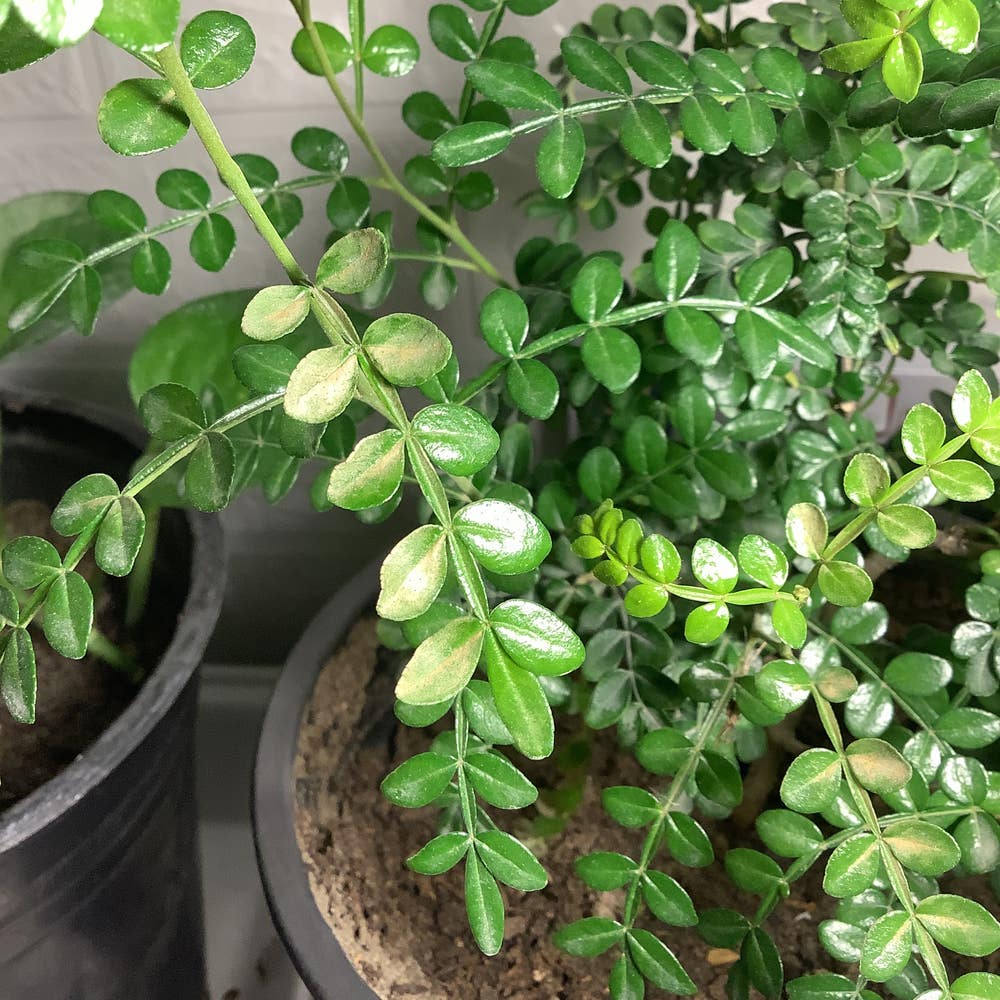
During the seedling stage, prickly ash plants exhibit small, spiny stems that are quite distinctive. These stems typically grow to a height of 6 to 12 inches and are adorned with aromatic, dark green compound leaves that develop as the plant matures.
⏳ Duration of Seedling Growth
The seedling growth period lasts between 6 months to 1 year, depending on various factors. Light availability and soil nutrients play crucial roles in determining how quickly these young plants thrive and establish themselves.
As the seedlings progress, they lay the groundwork for the next stages of growth, setting the stage for the robust vegetative phase that follows. Understanding these early characteristics and growth duration is essential for anyone looking to cultivate prickly ash successfully.
Vegetative Growth Stage
Growth Patterns and Characteristics 🌱
During the vegetative growth stage, prickly ash can reach impressive heights of 3 to 6 feet. This is when the plant truly starts to show off, developing spiny branches and dense foliage that create a lush appearance.
As the plant matures, its leaves grow larger and more abundant. This increase in leaf size enhances photosynthesis, allowing the plant to harness more energy from sunlight, which is crucial for its overall growth.
Duration of Vegetative Growth ⏳
The vegetative growth phase typically lasts between 2 to 5 years. This duration can vary significantly based on environmental conditions.
Several factors influence how quickly prickly ash grows during this stage. Soil quality, water availability, and competition with other plants all play vital roles in determining the plant's growth rate and overall health.
Understanding these dynamics can help you appreciate the resilience and adaptability of prickly ash as it thrives in its natural habitat.
As we transition to the next stage, let’s explore the flowering process and how it contributes to the lifecycle of this fascinating plant.
Flowering Stage
Flower Characteristics and Timing 🌼
Prickly ash produces small, yellow-green flowers that are dioecious, meaning male and female flowers grow on separate plants. This unique characteristic typically leads to flowering in late spring to early summer, creating a vibrant display in the landscape.
Pollination Process 🐝
These flowers attract a variety of pollinators, including bees and other insects, which play a crucial role in the pollination process. Effective pollination is essential for seed production and contributes to the genetic diversity of prickly ash populations, ensuring their resilience and adaptability.
As we explore the next stage of the prickly ash lifecycle, we’ll delve into the fascinating process of seed production and dispersal.
Seed Production Stage
Seed Development and Dispersal 🌱
After successful pollination, prickly ash begins the fascinating process of seed formation, typically occurring in late summer. This stage is crucial as seeds are dispersed by birds and other wildlife, which play a vital role in the plant's propagation.
Duration of Seed Production ⏳
The maturation of seeds takes about 1 to 2 months, depending on various factors. Environmental conditions, such as temperature and moisture, along with the health of the parent plant, significantly influence the success and speed of seed production.
Understanding the seed production stage is essential for appreciating the lifecycle of prickly ash. It highlights the interconnectedness of nature, where pollinators and wildlife contribute to the plant's survival and growth.
As we move forward, let’s explore how prickly ash continues to grow and mature, adapting to its environment along the way.
Growth Rate and Maturation
🌱 How Long Until Fully Grown?
Prickly Ash typically reaches full maturity in about 5 to 10 years. At this stage, it can grow impressively tall, reaching heights of 10 to 15 feet.
⚙️ Factors Affecting Growth Rate
Several key factors influence the growth rate of Prickly Ash.
- Soil Quality: Nutrient-rich soils significantly promote faster growth.
- Water Availability: Consistent moisture is crucial for optimal development.
- Light Exposure: These plants thrive in full sun to partial shade conditions.
📈 Average Growth Rate
Under optimal conditions, Prickly Ash can grow approximately 12 to 24 inches per year. This steady growth showcases its resilience and adaptability in various environments.
Understanding these growth dynamics is essential for anyone looking to cultivate Prickly Ash successfully. With the right conditions, you can witness this remarkable plant flourish over the years.
As we explore the next section, we’ll delve into the notable changes throughout the Prickly Ash lifecycle, highlighting its fascinating transformations.
Notable Changes Throughout the Lifecycle
🌱 Physical Changes During Each Stage
The prickly ash undergoes significant transformations throughout its lifecycle. In the seedling stage, it evolves from small, spindly plants into robust shrubs, showcasing its resilience.
As it enters the vegetative stage, the plant develops spiny branches and dense foliage. This growth not only enhances its structure but also improves its ability to photosynthesize effectively.
During the flowering stage, the emergence of small, yellow-green flowers marks a pivotal moment. This phase leads to seed formation, setting the stage for future generations.
🌍 Environmental Adaptations
Prickly ash is well-adapted to its environment, thriving in wooded areas and along riverbanks. Its ability to withstand varying moisture levels is a testament to its resilience.
Seasonal changes also play a role in its lifecycle. The plant experiences leaf drop in the fall, only to regrow in the spring, demonstrating its adaptability to changing conditions.
🌼 Changes in Reproductive Capabilities Over Time
Reproductive maturity begins early for prickly ash, with the ability to produce flowers and seeds starting around 3 to 5 years. This early onset ensures that the plant can contribute to its ecosystem relatively quickly.
As it matures, prickly ash maintains its reproductive health, continuing to produce seeds throughout its lifespan. However, variations in seed viability can occur, influenced by environmental factors and the overall health of the parent plant.
These notable changes highlight the dynamic lifecycle of prickly ash, showcasing its adaptability and resilience. Understanding these stages provides valuable insights into the plant's growth and ecological role. Next, we will explore the growth rate and maturation of prickly ash, delving into how long it takes to reach full maturity.
⚠️ Safety First
This content is for general information and may contain errors, omissions, or outdated details. It is not medical, veterinary advice, or an endorsement of therapeutic claims.
Always consult a qualified healthcare professional before using any plant as food, medicine, or supplement.
Never eat any plant (or feed one to pets) without confirming its identity with at least two trusted sources.
If you suspect poisoning, call Poison Control (800) 222-1222, the Pet Poison Helpline (800) 213-6680, or your local emergency service immediately.
Spotted an error? Please report it here.
Unlock the secrets of prickly ash growth 🌳 with Greg's tailored care tips, guiding you from seed germination to a thriving, mature plant!