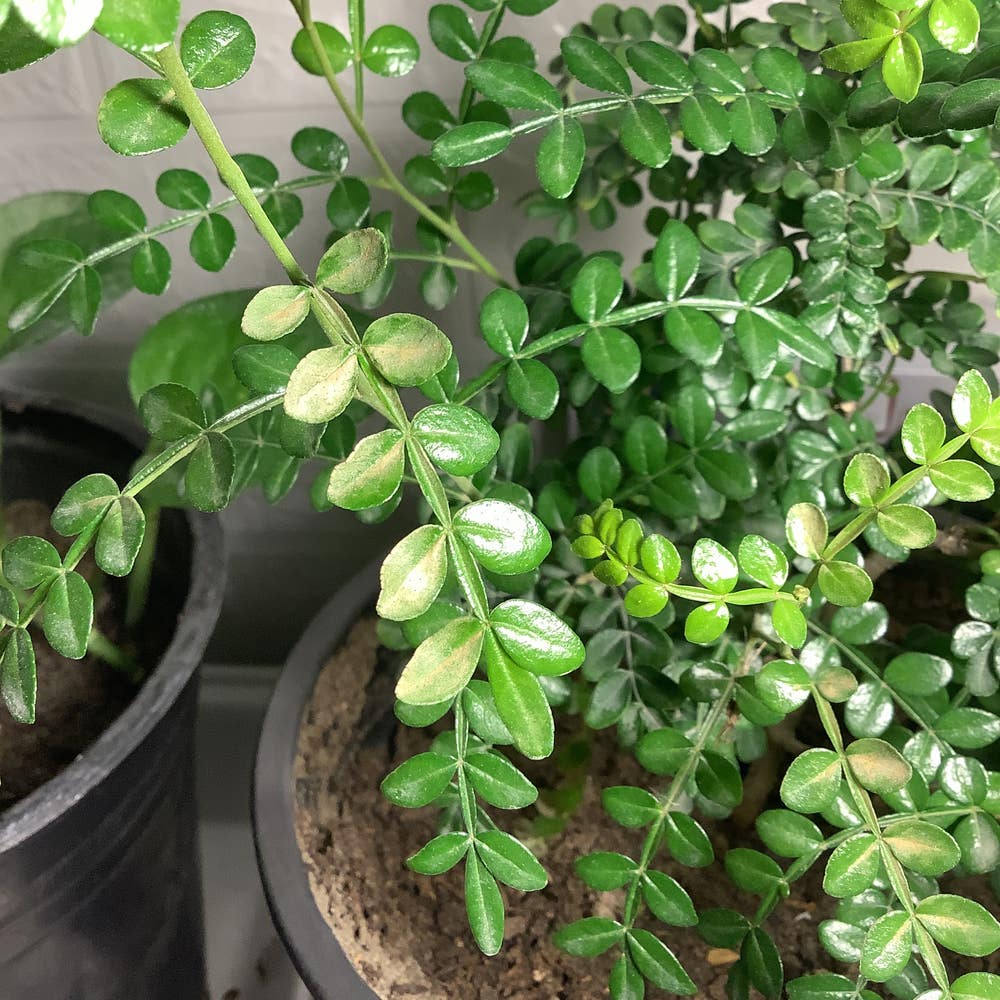
Reasons Why Your Prickly Ash Won't Flower 🌵
Zanthoxylum spp.
By the Greg Editorial Team
Nov 06, 2024•6 min read
This article was created with the help of AI so we can cover more plants for you. May contain errors. See one? Report it here.
Unlock vibrant Prickly Ash blooms 🌼 with essential care tips to overcome common flowering challenges!
- 🌞 Prickly Ash needs 6+ hours of sunlight daily to bloom effectively.
- 🌱 Nutritional deficiencies in nitrogen and phosphorus hinder flowering; use balanced fertilizer.
- 🌿 Environmental stress and pests can cause flower drop; monitor conditions regularly.
Failure to Bloom
🌞 Potential Causes
Light Requirements
Prickly Ash thrives in full sun, needing at least six hours of direct sunlight daily for optimal flowering. If your plant is in excessive shade, it may struggle to produce blooms.
Nutritional Deficiencies
A lack of essential nutrients, particularly nitrogen and phosphorus, can hinder flowering. Without these nutrients, your plant may not have the energy it needs to produce vibrant flowers.
Age of the Plant
Younger Prickly Ash plants often take several years to mature before they start flowering. Patience is key as they develop their full potential.
💡 Solutions
Adjusting Care
To ensure your Prickly Ash receives enough sunlight, consider relocating it or trimming back any surrounding plants that may be casting shade. This simple adjustment can significantly enhance bloom production.
Fertilization
Using a balanced fertilizer high in phosphorus during the growing season can promote blooming. Aim for an NPK ratio of 5-10-5 or something similar to support your plant's flowering needs.
By addressing these potential causes and implementing the suggested solutions, you can encourage your Prickly Ash to flourish and produce beautiful blooms. Next, let's explore the issue of premature flower drop and what might be causing it.
Premature Flower Drop
🌪️ Common Triggers
Premature flower drop in Prickly Ash can be frustrating. Understanding the common triggers is the first step to addressing the issue.
Environmental Stress
Sudden temperature fluctuations can shock your plant, leading to bud drop. Similarly, drought conditions can stress the plant, causing it to shed flowers prematurely.
Pests and Diseases
Pests like aphids can weaken your Prickly Ash, making it more susceptible to flower drop. Additionally, diseases such as root rot can compromise the plant's health, resulting in lost blooms.
🛠️ Remedies
Fortunately, there are effective remedies to combat premature flower drop.
Pest Control
Implementing organic solutions is a great way to manage pest populations. Neem oil and insecticidal soap are both effective options that can help keep your plant healthy.
Environmental Adjustments
Consistent watering is crucial for your Prickly Ash. Mulching can also help retain soil moisture, especially during dry spells, ensuring your plant remains hydrated and less stressed.
By addressing these triggers and implementing the right remedies, you can help your Prickly Ash thrive and enjoy its beautiful blooms. Next, let’s explore abnormal flower development and how to identify and remedy those issues.
Abnormal Flower Development
🌱 Identifying Abnormal Growth Patterns
Abnormal flower development can be a frustrating issue for gardeners. Symptoms often include flowers that are smaller than usual or misshapen, signaling potential underlying problems.
🌼 Factors Influencing Flower Morphology
Several factors can affect flower morphology.
🌿 Nutrient Imbalance
One significant cause is nutrient imbalance. Excessive nitrogen can lead to lush foliage, but this often comes at the expense of flower production.
✂️ Pruning Effects
Improper pruning techniques can also disrupt the natural bloom cycle. If not done correctly, pruning can lead to abnormal flower development, leaving you with fewer blooms than expected.
🛠️ Solutions
Fortunately, there are effective solutions to encourage healthy flower growth.
✂️ Pruning Techniques
To promote new growth and flowering, prune your Prickly Ash in late winter or early spring. This timing helps the plant focus its energy on producing blooms rather than maintaining old growth.
🥗 Nutritional Adjustments
Addressing nutrient imbalances is crucial. Adjust your fertilization practices based on observed symptoms, ensuring your plant receives the right balance of nutrients to support healthy flowering.
By implementing these strategies, you can help your Prickly Ash thrive and produce the beautiful blooms you desire. Next, let’s explore the environmental factors that can also impact flowering.
Environmental Factors Affecting Flowering
🌞 Light Requirements
Importance of Adequate Sunlight
Prickly Ash thrives in full sun, requiring at least six hours of direct sunlight daily to produce vibrant flowers. Without this essential exposure, the plant may struggle to bloom, leading to disappointment for gardeners eager to see their efforts rewarded.
Effects of Light Levels
Too much shade can significantly hinder flowering, as the plant lacks the energy needed for bloom production. Conversely, excessive direct sunlight can scorch the leaves, creating a delicate balance that every gardener must navigate.
🍽️ Nutritional Needs
Key Nutrients for Flowering
Nutritional balance is crucial for healthy flowering. Nitrogen is vital for lush foliage growth, while phosphorus plays a key role in flower development, ensuring that your Prickly Ash not only grows but flourishes.
Signs of Nutrient Deficiency
Watch for yellowing leaves and poor flower production, as these are clear indicators that your plant may need a nutrient boost. Adjusting your fertilization practices can make a world of difference in reviving your plant's blooming potential.
Understanding these environmental factors is essential for nurturing a thriving Prickly Ash. By ensuring adequate sunlight and proper nutrition, you set the stage for a beautiful display of flowers. Next, let’s explore how to manage pests and diseases that can also impact flowering.
Pest and Disease Management
🐜 Common Pests Affecting Flowering
Identifying pests is crucial for maintaining the health of your Prickly Ash.
- Aphids: These small, green insects suck sap from new growth, weakening the plant and potentially leading to flower drop.
- Spider Mites: Tiny and often overlooked, these web-spinning pests can cause significant leaf discoloration, affecting overall plant vitality.
🛠️ Control Methods
Managing pests effectively can help ensure your Prickly Ash blooms beautifully.
- Organic Solutions: Start with insecticidal soap or introduce beneficial insects like ladybugs. These natural methods can keep pest populations in check without harming your plant.
- Chemical Solutions: If infestations persist, consider targeted pesticides as a last resort. Always follow label instructions carefully to minimize harm to the environment.
🦠 Diseases Impacting Flower Development
Diseases can also hinder flowering, so it's essential to recognize the signs early.
- Root Rot: This condition arises from overwatering and poor drainage, leading to wilting and yellowing leaves.
- Powdery Mildew: A fungal disease that appears as a white powder on leaves, it can stunt growth and reduce flowering potential.
🚑 Prevention and Treatment Strategies
Taking proactive steps can help prevent diseases and keep your Prickly Ash thriving.
- Preventive Measures: Ensure your soil drains well and avoid overhead watering. These practices can significantly reduce the risk of disease.
- Treatment Options: For powdery mildew, fungicides can be effective. To combat root rot, improve drainage and adjust your watering habits.
By staying vigilant about pests and diseases, you can foster a healthy environment for your Prickly Ash to flourish. This attention to detail will not only enhance flowering but also contribute to the overall vitality of your plant.
Next, let’s explore the environmental factors that affect flowering, ensuring your Prickly Ash gets the best care possible.
⚠️ Safety First
This content is for general information and may contain errors, omissions, or outdated details. It is not medical, veterinary advice, or an endorsement of therapeutic claims.
Always consult a qualified healthcare professional before using any plant as food, medicine, or supplement.
Never eat any plant (or feed one to pets) without confirming its identity with at least two trusted sources.
If you suspect poisoning, call Poison Control (800) 222-1222, the Pet Poison Helpline (800) 213-6680, or your local emergency service immediately.
Spotted an error? Please report it here.
Unlock your Prickly Ash's blooming potential 🌼 with Greg's personalized care tips and reminders, ensuring it gets the sunlight and nutrients it craves for vibrant flowers!