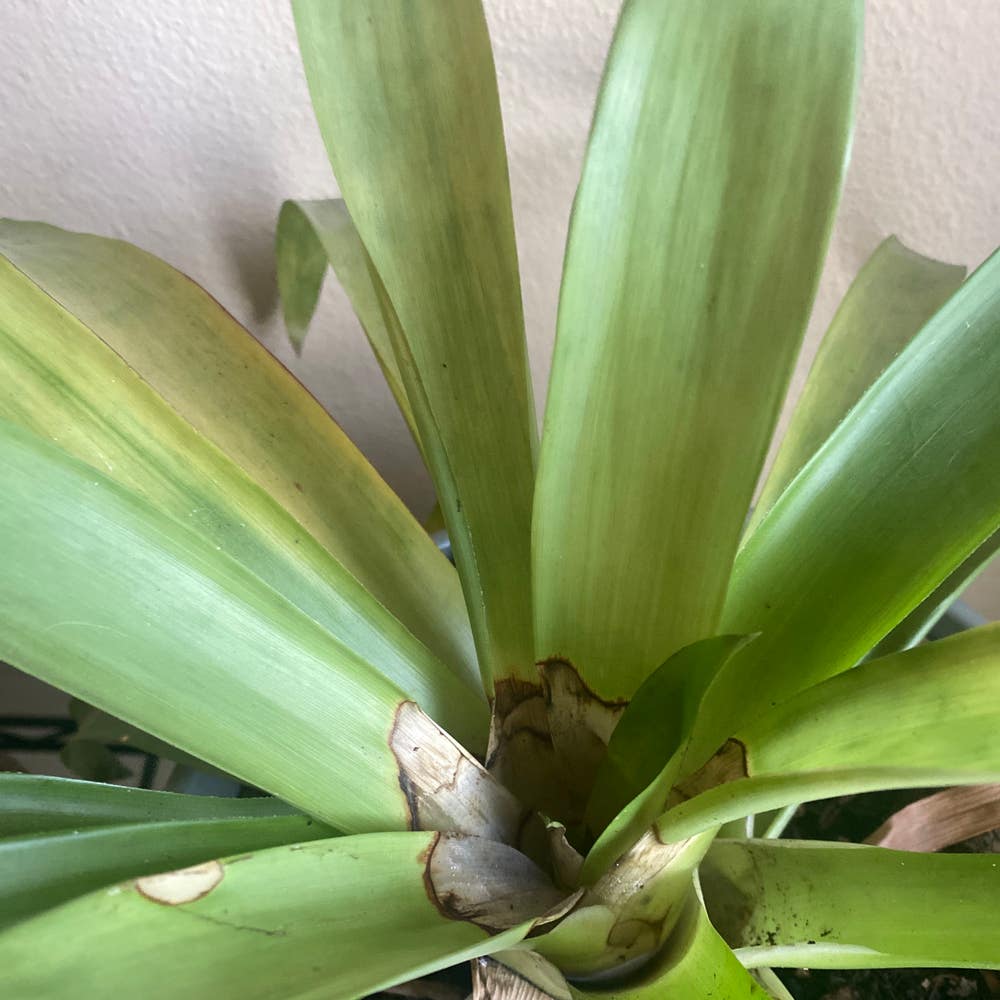
4 Easy Ways to Pollinate Neoregelia 'Pink Sensation' 🐝
Neoregelia 'Pink Sensation'
By the Greg Editorial Team
Sep 29, 2024•6 min read
This article was created with the help of AI so we can cover more plants for you. May contain errors. See one? Report it here.
- 🌸 Neoregelia 'Pink Sensation' attracts pollinators with vibrant colors and fragrance.
- 🐝 Bees, butterflies, and hummingbirds enhance pollination efficiency through their unique adaptations.
- ✋ Hand pollination ensures reproduction when natural pollinators are scarce; timing is key!
Flower Structure
Description of Flower Parts 🌸
Neoregelia 'Pink Sensation' boasts vibrant petals that are typically pink, with a unique shape that forms a rosette. The arrangement of these petals creates a stunning visual display, making them irresistible to pollinators.
The sepals play a crucial role by protecting the flower bud until it’s ready to bloom. They shield the delicate petals and reproductive parts from environmental stressors.
Stamens are abundant in this species, featuring numerous anthers atop slender filaments. This arrangement maximizes pollen exposure, enhancing the chances of successful pollination.
Pistils, the female reproductive parts, consist of a stigma, style, and ovary. The stigma captures pollen, while the style connects it to the ovary, where fertilization occurs.
The striking visual characteristics of Neoregelia 'Pink Sensation' not only attract the eye but also draw in pollinators, making it a vital player in its ecosystem.
How Flower Structure Facilitates Pollination 🐝
The flower structure of Neoregelia 'Pink Sensation' is designed for both self-pollination and cross-pollination. This adaptability ensures that the plant can reproduce effectively, even in varying conditions.
Pollen transfer is facilitated by the flower's morphology, with the arrangement of stamens and pistils allowing for easy access. Pollinators can efficiently navigate the flower, ensuring that pollen is transferred from one flower to another.
Fragrance and color are key elements in attracting specific pollinator species. The sweet scent and bright hues signal to bees, butterflies, and hummingbirds that nectar is available, encouraging their visit.
Understanding these mechanisms not only highlights the beauty of Neoregelia 'Pink Sensation' but also emphasizes the importance of preserving its pollinator relationships. This knowledge sets the stage for exploring the pollination process in more detail.
Pollination Process
🌼 Natural Pollination Mechanisms
Neoregelia 'Pink Sensation' relies on a fascinating natural pollination process. This plant's vibrant flowers attract various pollinators, ensuring effective pollen transfer.
Pollen is primarily moved by gravity and wind, which play crucial roles in the pollination process. Seasonal variations can significantly impact reproduction, as different weather conditions influence pollinator activity and flower viability.
🐝 Role of Pollinator Species
Several key pollinator species contribute to the success of Neoregelia 'Pink Sensation'.
Bees are vital, as their interaction with the flower structure enhances pollination efficiency. They are drawn to the flower's color and fragrance, making them essential for successful reproduction.
Butterflies also play a role, attracted by the bright hues and sweet scents. Their fluttering visits help transfer pollen from one flower to another, promoting genetic diversity.
Hummingbirds have unique adaptations that facilitate their interaction with these plants. Their long beaks allow them to access nectar deep within the flowers, while simultaneously transferring pollen.
These pollinator species are crucial for maintaining the health and reproductive success of Neoregelia 'Pink Sensation'. Their activities ensure that the plant can thrive and produce seeds, contributing to the ecosystem's overall balance.
As we explore hand pollination techniques next, understanding these natural processes will enhance our appreciation for the delicate balance of plant and pollinator relationships.
Hand Pollination Techniques
Step-by-Step Instructions for Hand Pollination 🌼
Hand pollination can be a rewarding way to ensure the reproduction of your Neoregelia 'Pink Sensation'. Follow these steps for effective results:
Identify the flowering stage: Timing is crucial. Wait until the flowers are fully open for optimal hand pollination.
Gather materials: Use a soft brush or cotton swab. These tools are gentle on the delicate flower parts.
Collect pollen: Gently brush the anthers to gather pollen. Be careful not to damage the flower.
Transfer pollen: Apply the collected pollen to the stigma of the same or another flower. This step is vital for successful fertilization.
Monitor for fertilization signs: Look for changes in flower appearance or the development of fruit. This indicates that pollination was successful.
Identifying Male and Female Flower Parts 🔍
Understanding the flower's anatomy is key to successful hand pollination.
Male parts (stamens): These are responsible for producing pollen. Look for the slender filaments topped with anthers.
Female parts (pistils): The pistil consists of the stigma, style, and ovary. The stigma is the sticky part that receives pollen.
Visual cues can help you differentiate between the two. The timing of your pollination efforts should align with flower maturity to maximize success.
By mastering these techniques, you can enhance the reproductive success of your Neoregelia 'Pink Sensation' and contribute to its vibrant growth. Next, let’s explore how to create a pollinator-friendly environment to support these beautiful plants.
Supporting Pollinators
🌼 Creating a Pollinator-Friendly Environment
Designing a garden that attracts pollinators is both rewarding and essential. Start by planting native species that bloom at different times throughout the year, ensuring a continuous food source.
Next, provide water sources like shallow dishes or birdbaths. These small additions can make a big difference in attracting thirsty pollinators.
Lastly, avoid using pesticides that harm beneficial insects. Opt for organic alternatives to keep your garden safe and inviting for pollinators.
🌸 Companion Plants to Attract Pollinators
Companion planting can significantly enhance the presence of pollinator species. Consider adding flowering plants like lavender, bee balm, and coneflower, which bloom simultaneously with Neoregelia 'Pink Sensation'.
These plants not only attract bees and butterflies but also contribute to a diverse ecosystem. Biodiversity is key; it creates a vibrant environment that supports various pollinators, ensuring your garden thrives.
By fostering a pollinator-friendly space, you contribute to the health of your garden and the environment. This proactive approach not only benefits your plants but also nurtures the vital pollinator populations.
As you cultivate this supportive habitat, you’ll be well-prepared to tackle the next topic: the challenges that can arise during the pollination process.
Pollination Challenges
🌪️ Common Obstacles to Successful Pollination
Pollination can be a tricky business, especially for Neoregelia 'Pink Sensation'. Environmental factors play a significant role in this process.
Temperature Fluctuations
Temperature changes can disrupt pollinator activity and affect flower viability. When it's too hot or too cold, pollinators may stay away, leaving flowers unvisited.
Humidity Levels
Humidity is crucial for pollen viability and transfer. Low humidity can dry out pollen, making it less effective for fertilization.
Lack of Pollinators
A decline in pollinator populations can have dire consequences for fruit and seed production. Without these essential creatures, plants struggle to reproduce.
🛠️ Solutions for Overcoming Pollination Challenges
Fortunately, there are strategies to tackle these challenges head-on.
Creating Microclimates
Establishing microclimates can help maintain optimal humidity and temperature. This can be as simple as planting in sheltered areas or using structures to provide shade.
Implementing Artificial Pollination
When natural pollinators are scarce, artificial pollination methods can step in. Using a soft brush or cotton swab to transfer pollen can ensure successful fertilization.
Timing Planting and Flowering
Aligning your planting and flowering schedules with peak pollinator activity is key. This increases the chances of attracting pollinators when they are most active and ready to work.
By understanding these challenges and employing effective solutions, you can enhance the pollination success of Neoregelia 'Pink Sensation'. This not only supports the plant's health but also contributes to a thriving garden ecosystem.
⚠️ Safety First
This content is for general information and may contain errors, omissions, or outdated details. It is not medical, veterinary advice, or an endorsement of therapeutic claims.
Always consult a qualified healthcare professional before using any plant as food, medicine, or supplement.
Never eat any plant (or feed one to pets) without confirming its identity with at least two trusted sources.
If you suspect poisoning, call Poison Control (800) 222-1222, the Pet Poison Helpline (800) 213-6680, or your local emergency service immediately.
Spotted an error? Please report it here.
Pollinate your Neoregelia 'Pink Sensation' like a pro 🌸 with Greg's tailored tips and reminders to attract those vital pollinators for a thriving garden!