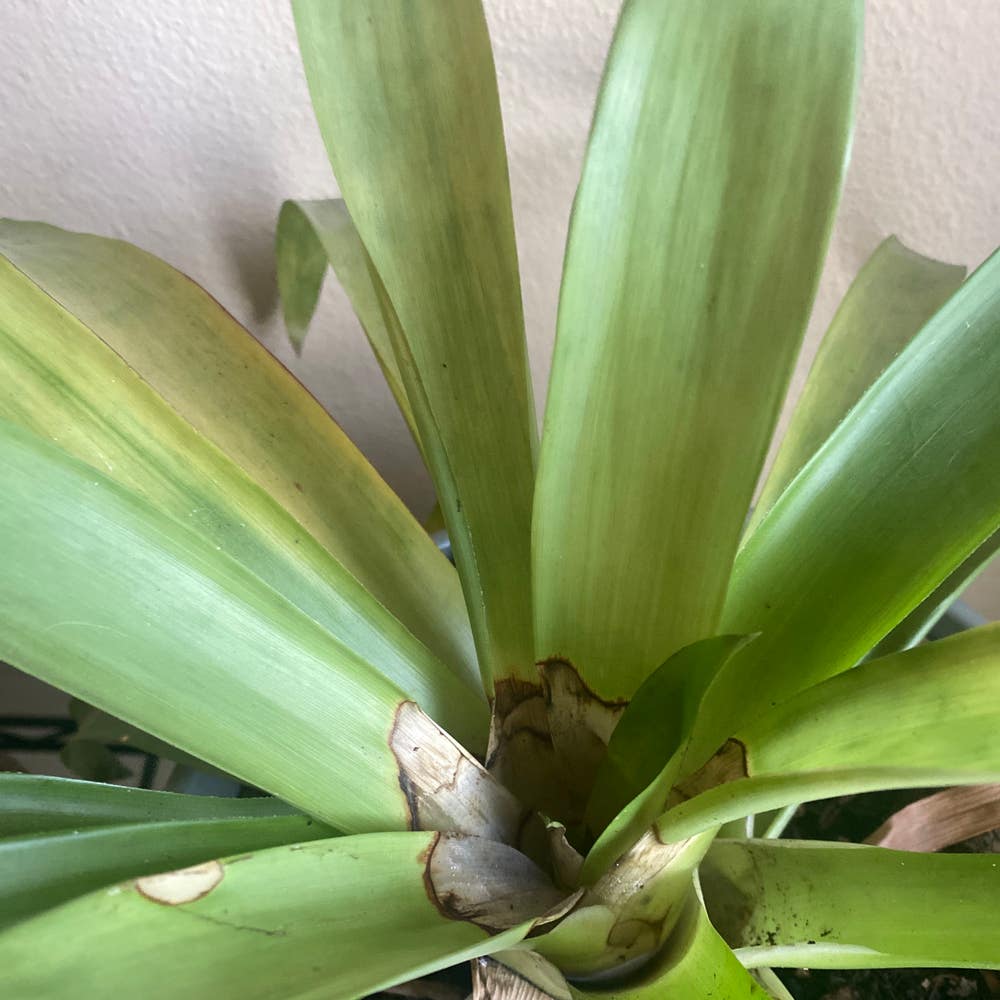
🌸 Where Can Neoregelia 'Pink Sensation' Grow? Zones 10a-11b
Neoregelia 'Pink Sensation'
By the Greg Editorial Team
Sep 29, 2024•4 min read
This article was created with the help of AI so we can cover more plants for you. May contain errors. See one? Report it here.
- 🌡️ Neoregelia 'Pink Sensation' thrives in USDA zones 10a-11b, ideal for warm climates.
- ❄️ Protect from frost; it tolerates cold but is sensitive to freezing temperatures.
- ☀️ Filtered sunlight is crucial; direct sun can scorch its vibrant leaves.
Temperature Tolerance of Neoregelia 'Pink Sensation'
❄️ Cold Tolerance Specifics
Neoregelia 'Pink Sensation' can tolerate cold temperatures down to approximately 30°F (-1°C). However, it is sensitive to frost, which can severely impact its growth and survival.
🔥 Heat Tolerance Specifics
For optimal growth, this bromeliad thrives in temperatures ranging from 70°F to 90°F (21°C to 32°C). Prolonged exposure to excessive heat can stress the plant, leading to wilting or stunted growth.
🌡️ Impact of Temperature Extremes on Growth
Temperature fluctuations can significantly affect flowering and overall plant vigor. To mitigate temperature stress, consider providing shade during extreme heat and protection from cold drafts during chilly nights.
Understanding these temperature tolerances is crucial for successfully cultivating Neoregelia 'Pink Sensation' in your garden. Next, we will explore the ideal growing regions for this vibrant plant.
Ideal Growing Regions for Neoregelia 'Pink Sensation'
🌎 Examples of US States in Zones 10a-11b
Neoregelia 'Pink Sensation' thrives in USDA zones 10a to 11b, making states like Florida, California, Texas, and Hawaii ideal for its growth. Within Florida, regions such as Miami and Orlando offer the warm, humid conditions that this tropical plant craves.
In California, areas like San Diego and Los Angeles provide similar benefits. Texas also has suitable spots, particularly in the southern parts like Houston and San Antonio, where the climate aligns perfectly with the plant's needs.
🌡️ Factors Contributing to Ideal Growing Conditions
Warm, humid climates are essential for supporting tropical plants like Neoregelia 'Pink Sensation'. These conditions help maintain moisture levels and promote healthy growth.
Filtered sunlight is another critical factor. This plant prefers light that mimics its natural habitat, avoiding harsh, direct sun that can scorch its leaves. Additionally, protection from strong winds is vital to prevent damage and stress.
🔍 Comparison of Different Regions Within the Suitable Zones
Even within suitable states, microclimates can vary significantly. Urban areas may experience heat islands, which can create warmer conditions, while rural areas might offer more consistent humidity levels.
For instance, a south-facing patio in an urban setting can provide a perfect microclimate for Neoregelia 'Pink Sensation'. In contrast, a shaded garden in a rural area might not provide the same warmth, impacting the plant's growth potential. Understanding these nuances can help gardeners optimize their growing conditions.
As we explore further, let’s delve into how microclimates can significantly impact the growth of Neoregelia 'Pink Sensation'.
Microclimates and Their Impact
Definition of Microclimates 🌍
Microclimates are localized climate zones that differ from the surrounding area. They can be influenced by various factors, including elevation, proximity to water, and urban heat islands.
How Microclimates Can Extend Growing Range 🌱
Microclimates can significantly enhance the growth potential of Neoregelia 'Pink Sensation' beyond typical hardiness zones. For instance, sheltered patios or south-facing walls can create warmer conditions that support this tropical plant.
Examples of Microclimates That Benefit Neoregelia 'Pink Sensation' 🌞
Certain scenarios illustrate how microclimates can boost growth. Areas with reflective heat from buildings can provide extra warmth, while locations with consistent humidity levels create an ideal environment for thriving plants.
Understanding microclimates opens up exciting possibilities for growing Neoregelia 'Pink Sensation' in diverse settings. By leveraging these unique conditions, gardeners can cultivate this stunning plant with greater success.
State-Level Suitability Analysis
List of Suitable States for Neoregelia 'Pink Sensation' 🌴
Neoregelia 'Pink Sensation' thrives in USDA zones 10a-11b. Here’s a quick look at the states where you can successfully grow this vibrant plant:
- Florida
- California
- Texas
- Hawaii
These states offer the warm, humid climates that Neoregelia loves, making them ideal for growth.
List of Non-Suitable States and Reasons Why 🚫
On the flip side, some states just can’t provide the right conditions. States like North Dakota and Montana fall into USDA zones 8 and below, making them unsuitable for Neoregelia 'Pink Sensation'.
The cold temperatures and frost risks in these regions pose significant challenges for this tropical plant. It simply can’t handle the chill.
Discussion on Frost Dates and Their Relevance to Growing Conditions ❄️
Understanding frost dates is crucial for successful planting. In suitable states, the first and last frost dates can vary significantly.
For instance, Florida typically enjoys a longer growing season, while California may experience earlier frosts in certain areas. Knowing these dates helps you plan when to plant and protect your Neoregelia 'Pink Sensation' from unexpected cold snaps.
By keeping an eye on frost dates, you can ensure your plant thrives in its ideal environment. This knowledge is key to nurturing your tropical beauty successfully.
⚠️ Safety First
This content is for general information and may contain errors, omissions, or outdated details. It is not medical, veterinary advice, or an endorsement of therapeutic claims.
Always consult a qualified healthcare professional before using any plant as food, medicine, or supplement.
Never eat any plant (or feed one to pets) without confirming its identity with at least two trusted sources.
If you suspect poisoning, call Poison Control (800) 222-1222, the Pet Poison Helpline (800) 213-6680, or your local emergency service immediately.
Spotted an error? Please report it here.
Grow your Neoregelia 'Pink Sensation' flourishingly 🌺 by using Greg's tailored reminders and care tips to optimize its environment in those perfect warm zones!