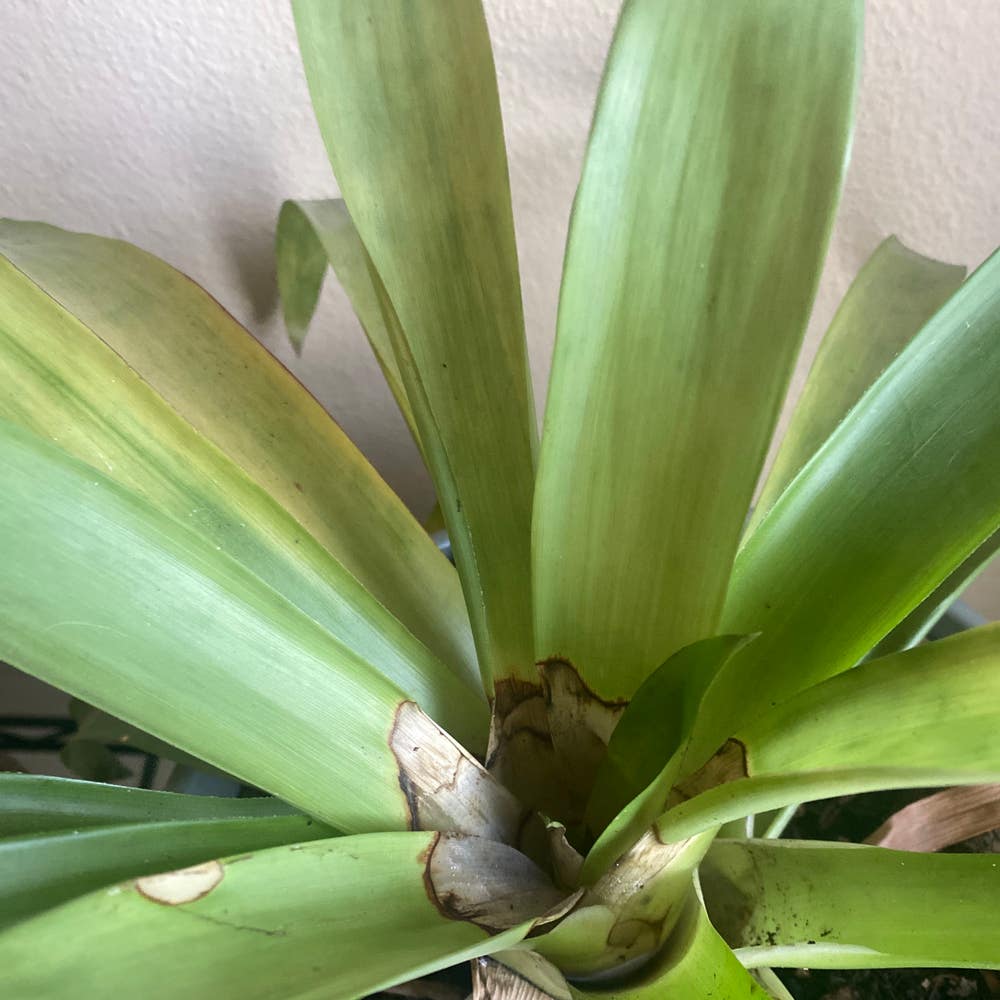
How Often Should I Water My Neoregelia 'Pink Sensation'?
Neoregelia 'Pink Sensation'
By the Greg Editorial Team
Mar 26, 2024•3 min read
This article was created with the help of AI so we can cover more plants for you. May contain errors. See one? Report it here.
- Crispy tips signal thirst; water when top inch of soil feels dry.
- 🌡️🌧️ Seasons and environment dictate watering frequency.
- 🚫 Prevent root rot with proper drainage and avoiding overwatering.
When to Water Your Neoregelia 'Pink Sensation'
💧 Spotting the Signs
In the care of Neoregelia 'Pink Sensation', timing is crucial. Crispy leaf tips and a lighter pot are your plant's SOS for water. Conversely, a heavy pot suggests it's still quenched. For a definitive check, the top inch of soil should feel dry before you reach for the watering can.
📅 The Role of Seasons
Seasons dictate your 'Pink Sensation's' thirst. Summer's heat calls for more frequent watering, akin to quenching your own thirst on a hot day. Winter, however, is a time for restraint; water sparingly as the plant's growth slows. Adjust your watering frequency with the changing seasons, keeping a watchful eye on soil moisture and plant response.
How to Water Your 'Pink Sensation' Properly
💧 Filling the 'Vase'
Central to the health of your Neoregelia 'Pink Sensation' is its vase-like rosette. This reservoir should be filled with water, but not to the brim. Flush it weekly to prevent stagnation and the buildup of harmful minerals. Use filtered or rainwater for best results, as tap water can leave deposits that harm your plant.
🚱 Avoiding Common Mistakes
Overwatering is the nemesis of 'Pink Sensation'. Ensure the soil is slightly moist, but never soggy. Root rot lurks for those who neglect this balance. To avoid this, let the top inch of soil dry out before rewatering. Remember, a heavy pot signals excess moisture, while a light one suggests it's time to water. Drainage holes in your pot are non-negotiable; they're your safety net against overzealous watering.
Tailoring Watering to Your Home Environment
💡 Light and Temperature
Light and temperature are the unsung heroes in the watering saga of your Neoregelia 'Pink Sensation'. They can make or break your plant's vibe. High light areas tend to make your plant guzzle water like it's at an all-you-can-drink buffet. Temperature spikes? That's your cue to water more often. On the flip side, if your 'Pink Sensation' is chilling in a cooler, dimmer spot, it's going to sip water like it's nursing a fine wine.
🌬️ Humidity's Impact
Humidity is the ninja of plant care—silent but impactful. It sneaks around, influencing how often your Neoregelia needs a drink. High humidity means the air is already doing some of the hydration heavy lifting, so you can ease up on watering. But if your home's air is drier than a stand-up comedian's wit, your plant will need watering more frequently to stay perky. Balance is key; aim for that sweet spot where the leaves feel like they're living in a plant paradise, not a desert or a swamp.
The Perfect Home: Potting and Soil Tips
🌱 Choosing the Right Soil Mix
Selecting a potting mix that complements your watering habits is crucial for the health of your Neoregelia 'Pink Sensation'. A well-draining mix is the secret sauce to a thriving plant. Peat, perlite, and sand are often the go-to ingredients, creating a lightweight and airy home for your plant's roots.
🚰 Drainage is Key
Drainage isn't just important—it's the lifeline of your plant. A pot with drainage holes is a must to avoid the dreaded root rot. If your pot is more sealed than a drum, it's time to break out the drill. Terra cotta pots are the unsung heroes here, wicking away excess moisture like a pro. Remember, a pot that's too roomy can lead to soggy soil, so aim for a snug fit that allows for growth without going overboard.
⚠️ Safety First
This content is for general information and may contain errors, omissions, or outdated details. It is not medical, veterinary advice, or an endorsement of therapeutic claims.
Always consult a qualified healthcare professional before using any plant as food, medicine, or supplement.
Never eat any plant (or feed one to pets) without confirming its identity with at least two trusted sources.
If you suspect poisoning, call Poison Control (800) 222-1222, the Pet Poison Helpline (800) 213-6680, or your local emergency service immediately.
Spotted an error? Please report it here.
Achieve the perfect watering balance for your Neoregelia 'Pink Sensation' and watch it flourish 🌿 with Greg's custom reminders tailored to your plant's unique environment.