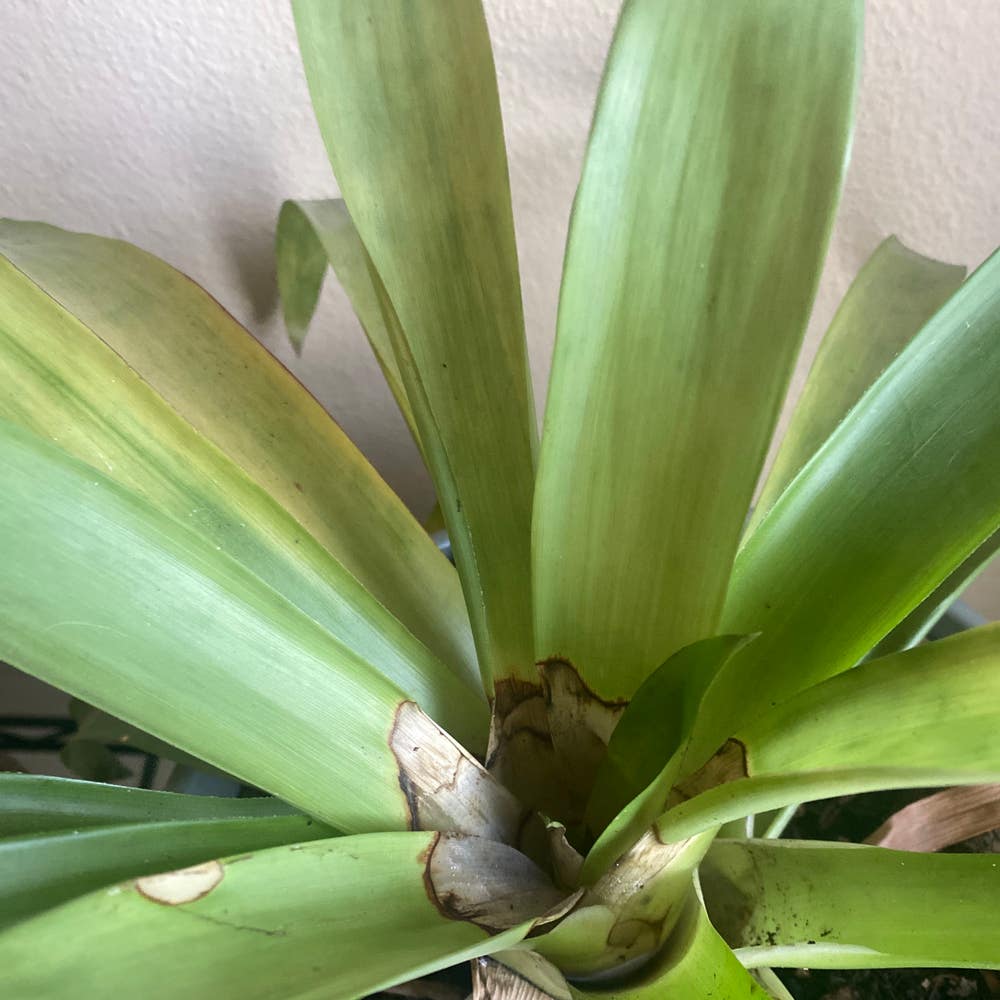
🌸 Neoregelia 'Pink Sensation' Roots 101
Neoregelia 'Pink Sensation'
By the Greg Editorial Team
Sep 29, 2024•5 min read
This article was created with the help of AI so we can cover more plants for you. May contain errors. See one? Report it here.
- 🌱 Neoregelia 'Pink Sensation' has shallow, fibrous roots ideal for moisture in humid conditions.
- ⚠️ Careful handling during repotting is crucial to avoid damaging delicate roots.
- 🌈 Leaf color indicates root health; monitor for vibrant growth and avoid stress.
Root System Characteristics
Type of Root System 🌱
Neoregelia 'Pink Sensation' boasts a fibrous root system. These roots are shallow yet extensive, spreading horizontally to maximize moisture and nutrient absorption in humid environments.
Specific Characteristics 🌿
The roots are thin and delicate, necessitating careful handling during repotting or maintenance. Their fibrous nature allows for rapid water absorption, which is crucial for thriving in tropical conditions.
Additionally, the unique coloration and variegation of the leaves can serve as indicators of root health. Observing these traits can help you gauge whether your plant is receiving the care it needs.
Understanding these root system characteristics is essential for nurturing a healthy Neoregelia 'Pink Sensation.' This knowledge sets the stage for exploring root depth and growth patterns, which are equally important for your plant's overall well-being.
Root Depth and Growth Patterns
Root Depth and Spread 🌱
Neoregelia 'Pink Sensation' typically boasts a root depth of 6-12 inches (15-30 cm). Its roots can spread impressively, extending up to 24 inches (60 cm) in diameter, allowing the plant to absorb moisture and nutrients effectively.
Growth Patterns in Relation to Pot Size 🪴
The size of the pot plays a crucial role in root development. Larger pots provide ample space for roots to grow, promoting a robust and healthy root system.
Signs of healthy growth include a well-established root system that fills the pot without becoming rootbound. Keeping an eye on pot size ensures your plant thrives and avoids the stress of cramped roots.
Understanding these growth patterns can help you make informed decisions about repotting and care, setting the stage for a flourishing Neoregelia.
Next, we’ll explore how to properly water and fertilize your plant to support this vibrant root system.
Watering and Fertilizing
🌱 How Root System Affects Watering Needs
Watering Neoregelia 'Pink Sensation' requires a careful balance. Keep the soil consistently moist, but avoid waterlogging, which can suffocate the roots.
Proper drainage is crucial. Ensure your pots have adequate drainage holes to prevent root rot, a common issue for these tropical beauties.
🌿 Fertilizing Techniques for Healthy Roots
For optimal growth, use a balanced, water-soluble fertilizer, like 20-20-20. This type of fertilizer provides essential nutrients that support root health.
Stick to a fertilizing schedule of every 4-6 weeks during the growing season. This regular feeding helps maintain vibrant foliage and robust roots.
When applying fertilizer, dilute it in water and apply it directly to the soil. This method ensures that the roots absorb nutrients efficiently without the risk of burning.
By mastering these watering and fertilizing techniques, you can foster a thriving Neoregelia 'Pink Sensation.' Next, let’s explore common root-related issues and how to tackle them effectively.
Common Root-Related Issues
🕵️ Identifying Root Rot and Other Problems
Root rot can be a sneaky adversary for your Neoregelia 'Pink Sensation.' Watch for signs like wilting leaves, yellowing foliage, and a foul smell emanating from the soil. These symptoms indicate that your plant's roots are struggling to breathe.
Pests can also wreak havoc on your plant's root system. Root aphids, for example, can sap the vitality of your plant, leading to stunted growth and overall decline.
🛠️ Tips for Prevention and Solutions
Preventing root rot starts with choosing the right soil. Use well-draining mixes and avoid overwatering to keep your plant happy.
If you do encounter root rot, act quickly. Remove the affected roots, repot your plant in fresh soil, and adjust your watering schedule to prevent recurrence. Regular checks can save your plant from serious issues down the line.
By staying proactive, you can ensure your Neoregelia thrives, setting the stage for vibrant growth and stunning foliage.
Healthy vs. Unhealthy Roots
Visual Cues for Root Health 🌱
Healthy roots are a sight to behold. They exhibit a firm texture, showcasing a white or light tan color that signals vitality.
In contrast, unhealthy roots tell a different story. Dark, mushy, or foul-smelling roots are clear indicators of rot, which can jeopardize your plant's health.
Indicators of Stress in the Root System ⚠️
Keep an eye out for signs of stress in your plant. Stunted growth, leaf discoloration, and wilting can all point to underlying root issues.
Regular root inspections are crucial. Catching problems early can make all the difference in maintaining a thriving plant.
Understanding these visual cues and stress indicators empowers you to take proactive steps in root care. This knowledge not only enhances your plant's health but also enriches your gardening experience.
Next, let’s explore the challenges of rootbound plants and how to effectively address them.
Rootbound Plants and Propagation
Definition and Recognition of Rootbound 🌱
Rootbound refers to a condition where roots circle around the pot, restricting growth. You can identify this issue if you see roots growing out of drainage holes, experience stunted growth, or notice poor water absorption.
When and How to Address Rootbound Issues 🛠️
To tackle rootbound conditions, check your plant during repotting, which should occur every 1-2 years. If you find your plant rootbound, consider repotting it into a larger container or trimming back the roots to encourage new growth.
Importance of Root Health in Propagation ❤️
Healthy roots are crucial for successful propagation and division. Stress on the roots can lead to poor growth or even plant death, making it essential to ensure they are in good condition before attempting to propagate.
Techniques for Dividing ✂️
- Choose a healthy parent plant with multiple offsets.
- Carefully separate offsets from the main plant, ensuring roots remain intact.
- Repot the offsets in well-draining soil and water lightly.
- Monitor for signs of stress after division to ensure they adapt well.
By understanding rootbound conditions and the importance of healthy roots, you can enhance your propagation efforts. This knowledge not only supports plant vitality but also enriches your gardening experience.
⚠️ Safety First
This content is for general information and may contain errors, omissions, or outdated details. It is not medical, veterinary advice, or an endorsement of therapeutic claims.
Always consult a qualified healthcare professional before using any plant as food, medicine, or supplement.
Never eat any plant (or feed one to pets) without confirming its identity with at least two trusted sources.
If you suspect poisoning, call Poison Control (800) 222-1222, the Pet Poison Helpline (800) 213-6680, or your local emergency service immediately.
Spotted an error? Please report it here.
Unlock the secret to thriving roots 🌿 with Greg's tailored care tips and reminders, ensuring your Neoregelia 'Pink Sensation' flourishes like never before!