🍂 Why Does My Neoregelia 'Pink Sensation' Have Yellow Leaves?
Neoregelia 'Pink Sensation'
By the Greg Editorial Team
Mar 26, 2024•4 min read
This article was created with the help of AI so we can cover more plants for you. May contain errors. See one? Report it here.
- 🌼 Over/underwatering and light issues cause yellow leaves; adjust care accordingly.
- 🌡️ Temperature extremes stress plants, leading to yellowing; maintain 60-80°F.
- 💧🌞 Routine care and monitoring prevent yellowing; water, light, and fertilize properly.
Spotting Trouble: Identifying Yellow Leaves
🍋 What Yellow Leaves Look Like
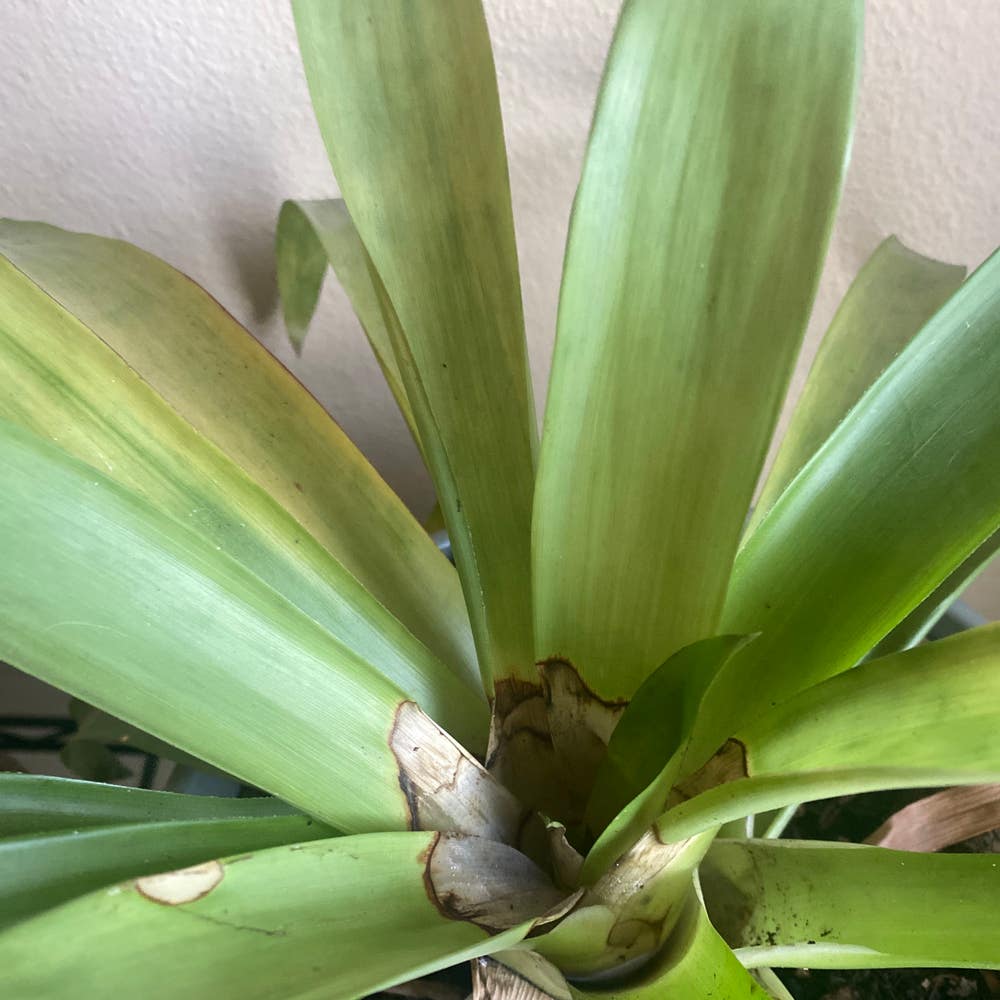
Yellow leaves on a Neoregelia 'Pink Sensation' can range from pale gold to mustard. Initially, you might notice a yellow tinge on the tips or edges, which can spread to encompass the entire leaf. This discoloration could also present as irregular patches or spots. The progression of yellowing often tells a story; a gradual fade suggests a different issue than a sudden onset.
🚩 When to Worry
It's a natural cycle for the older, lower leaves to yellow and fall away. But when the fresh, sprightly leaves at the top start looking sickly, it's a red flag. If your plant's new growth is more lemon than lime, it's time to take action. Watch for other symptoms like wilting or stunted growth—these are your plant's distress signals, not just a fashion statement gone wrong.
The Root of the Problem: Common Causes of Yellow Leaves
💦 Too Much H2O: The Perils of Overwatering
Overwatering is like giving your Neoregelia 'Pink Sensation' an unwanted bath. Roots can't breathe underwater, leading to a yellow leaf alert. Overly damp conditions invite fungal gatecrashers, spelling trouble for plant health.
🏜️ Thirsty Roots: The Underwatering Issue
On the flip side, underwatering leaves your plant high and dry. Crispy leaves are the plant's way of crying out for a drink. If the soil's drier than a stand-up comic's humor, it's time to hydrate.
🌞 Let There Be Light (But Not Too Much)
Lighting is a balancing act. Too much sun and your plant's leaves might as well be waving white flags; too little and they'll yellow from neglect. Aim for that Goldilocks zone where the light is just right.
🍽️ Feeding Frenzy: Nutrient Needs and Deficiencies
Nutrients are your plant's version of a balanced diet. Missing out on essentials like nitrogen or iron can lead to yellowing. Overfeeding, however, is the equivalent of a nutrient overdose, so keep it balanced.
🌡️ Hot and Cold: Temperature Stress and Leaf Health
Temperature tantrums can cause your Neoregelia to throw a yellow leaf parade. Extreme heat or cold stresses the plant, leading to discoloration. Keep the environment as stable as a rock band's rhythm section to avoid these issues.
Turning Over a New Leaf: Fixing Yellow Leaves
💧 Balancing Act: Watering Your Neoregelia Right
Overwatering is a common culprit behind yellow leaves in Neoregelia 'Pink Sensation'. To avoid this, let the top inch of soil dry out before watering again. Underwatering can also lead to yellow leaves; ensure the plant receives consistent moisture without becoming waterlogged.
🌞 Light It Up: Ensuring Ideal Light Conditions
Neoregelias require bright, indirect light to maintain their vibrant coloration. Too much direct sunlight can cause leaf burn, leading to yellowing. Position your plant in an east or west-facing location for the perfect light balance.
🍽️ Nutrient Know-How: Fertilizing for Vibrant Leaves
A balanced, water-soluble fertilizer is key to preventing yellow leaves due to nutrient deficiencies. Apply at half-strength and only when the soil is moist, following the recommended schedule to avoid over-fertilization and root burn.
🌡️ Keeping Cool (or Warm): Managing Temperature
Extreme temperatures can stress your Neoregelia, causing leaves to yellow. Maintain a stable environment, avoiding drafts and sudden temperature changes. Aim for a comfort zone between 60-80°F (15-27°C) for optimal plant health.
Staying Green: Preventing Yellow Leaves in the Future
💧 Consistency is Key: Routine Care Tips
Establishing a routine is like setting an alarm for your plant's needs; it's essential for keeping those leaves a vibrant green. Watering should be as regular as your morning routine, and light exposure as consistent as your daily commute. Fertilizing? Think of it as your plant's monthly subscription box—it should arrive without fail during the growing season.
👀 Monitoring for Mischief: Keeping an Eye on Plant Health
Regular plant check-ups are the equivalent of reading the room. Notice a slight change in leaf color? Don't just stand there—adjust your care strategy. Pruning isn't just for aesthetics; it's a strategic play to keep your plant's energy laser-focused on flourishing, not floundering. And remember, cleanliness is next to godliness—keep those tools sterile to prevent the spread of any sneaky pathogens.
⚠️ Safety First
This content is for general information and may contain errors, omissions, or outdated details. It is not medical, veterinary advice, or an endorsement of therapeutic claims.
Always consult a qualified healthcare professional before using any plant as food, medicine, or supplement.
Never eat any plant (or feed one to pets) without confirming its identity with at least two trusted sources.
If you suspect poisoning, call Poison Control (800) 222-1222, the Pet Poison Helpline (800) 213-6680, or your local emergency service immediately.
Spotted an error? Please report it here.
Combat yellow leaves on your Neoregelia 'Pink Sensation' and ensure 🛡️ its lush vibrancy with Greg's custom watering schedules and real-time community support for perfect plant health.