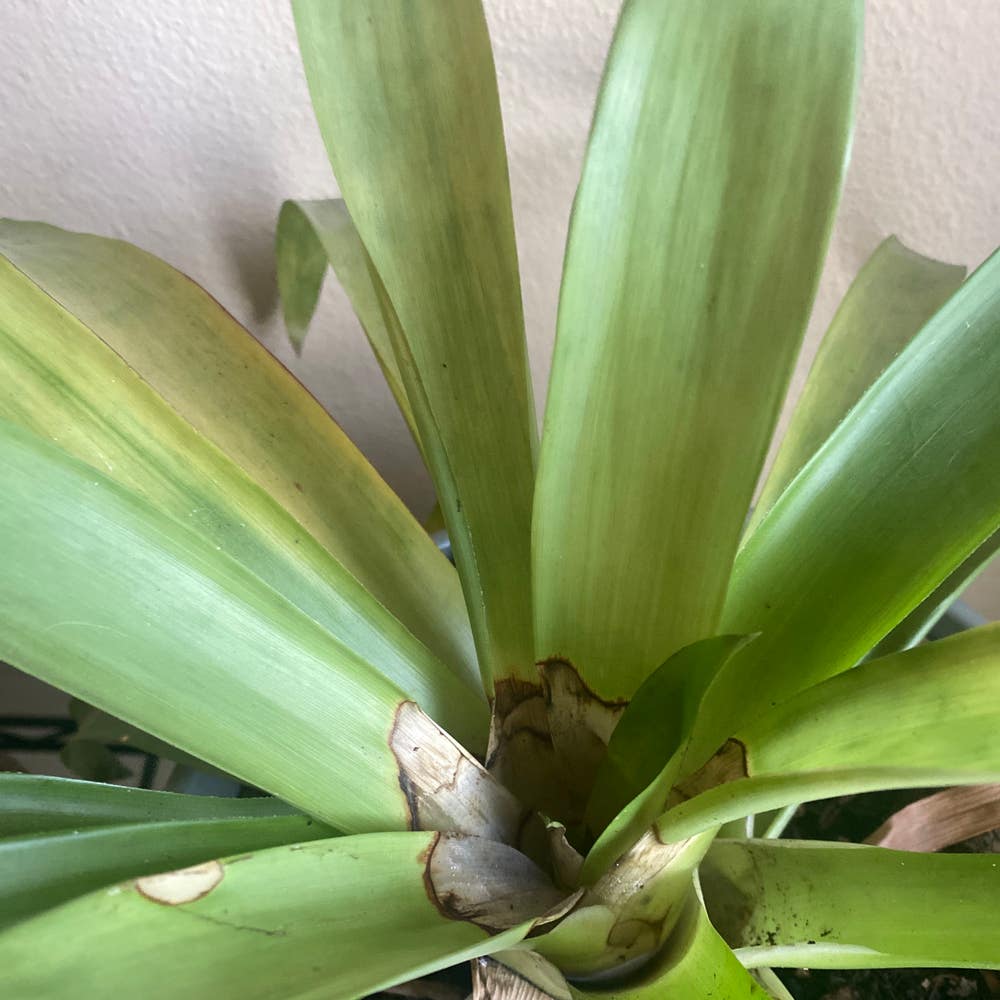
🌸 Neoregelia 'Pink Sensation' Buds Falling off
Neoregelia 'Pink Sensation'
By the Greg Editorial Team
Sep 29, 2024•5 min read
This article was created with the help of AI so we can cover more plants for you. May contain errors. See one? Report it here.
- 🌡️ Temperature and humidity fluctuations cause bud drop in Neoregelia 'Pink Sensation'.
- 🌱 Nutritional imbalances like over-fertilization lead to bud drop; monitor feeding closely.
- 🌞 Bright, indirect light for six hours daily is essential for vibrant blooms.
Common Causes of Bud Drop
🌪️ Environmental Stress
Environmental stress is a primary reason for Neoregelia 'Pink Sensation' buds dropping. Temperature fluctuations can be detrimental; aim to keep your plant in a cozy range of 20°C to 30°C (68°F to 86°F).
Humidity is equally crucial. Maintaining levels between 50-70% helps your plant thrive. Watch for signs of stress like wilting leaves or browning tips, which indicate your plant is unhappy.
🍽️ Nutritional Imbalances
Nutritional imbalances can also lead to bud drop. Over-fertilization is a common culprit, manifesting as leaf burn and stunted growth.
On the flip side, nutrient deficiencies, particularly a lack of potassium, can hinder flower development. Ensuring your plant gets the right nutrients is vital for its blooming success.
🐛 Pest Issues
Pests can wreak havoc on your Neoregelia. Common offenders include mealybugs and aphids, which can cause significant damage if left unchecked.
Look for signs of infestation, such as sticky residue, visible insects, or leaf discoloration. Addressing these issues promptly can save your plant from further distress.
Understanding these common causes of bud drop can help you take proactive steps to keep your Neoregelia 'Pink Sensation' healthy and blooming beautifully. Next, let’s explore the factors affecting flower development.
Factors Affecting Flower Development
Light Requirements 🌞
Light is crucial for the health of your Neoregelia 'Pink Sensation.' Aim for bright, indirect light for at least six hours daily to encourage vibrant blooms.
If your plant isn't getting enough light, you might notice leggy growth or faded colors. These signs indicate it's time to adjust its placement for optimal exposure.
Pruning Techniques ✂️
Pruning is essential for maintaining a healthy plant. By removing dead or damaged leaves, you promote better airflow and overall plant vigor.
Timing is key; the best moment to prune is after flowering. This prepares your Neoregelia for its next bloom cycle, ensuring it stays robust and ready to thrive.
With the right light and pruning practices, your Neoregelia can flourish beautifully. Next, let’s explore solutions for premature flower drop to keep your plant blooming strong.
Solutions for Premature Flower Drop
Adjusting Care Practices 🌱
To combat premature flower drop in your Neoregelia 'Pink Sensation', start with your watering techniques. Ensure the plant receives consistent moisture, but avoid waterlogging, which can lead to root rot.
Next, establish a fertilization schedule. Using a balanced bromeliad fertilizer every 4-6 weeks during the growing season will provide essential nutrients for healthy blooms.
Environmental Adjustments 🌤️
Increasing humidity is crucial for your plant's well-being. Consider using a humidity tray or misting the leaves regularly to maintain optimal moisture levels.
Temperature control is equally important. Keep your Neoregelia away from drafts or heat sources to prevent stress that can lead to bud drop.
By making these adjustments, you can create a nurturing environment that encourages vibrant blooms and healthy growth.
Addressing Specific Issues
🐛 Identifying and Managing Pest Infestations
Pests can wreak havoc on your Neoregelia 'Pink Sensation,' with mealybugs and aphids being the most common culprits. Look for sticky residue or visible insects on your plant; these are telltale signs of an infestation.
To combat these pests, consider using neem oil or insecticidal soap. Both are effective and relatively safe options that can help restore your plant's health.
🤒 Recognizing Signs of Disease Affecting Flowers
Diseases can also contribute to flower drop, with root rot and leaf spot being the most prevalent. Watch for symptoms like wilting, discoloration, or mushy roots, as these indicate that your plant is struggling.
If you notice these signs, it's crucial to act quickly. Remove affected parts and adjust your care routine to prevent further issues.
🌸 Adjusting Care Practices for Better Blooming
Regular monitoring is key to keeping your plant thriving. Check for pests and diseases at least once a week to catch any problems early.
Additionally, be flexible with your watering and feeding schedules. Adjust these practices based on how your plant responds to ensure optimal blooming conditions.
By staying vigilant and proactive, you can help your Neoregelia 'Pink Sensation' flourish and enjoy its vibrant blooms. Next, let’s explore seasonal considerations that can further enhance your plant care strategy.
Seasonal Considerations
🌸 Seasonal Changes and Their Effects on Flowering
Spring and summer are the prime time for Neoregelia 'Pink Sensation' to thrive. During these months, the plant experiences active growth and blooming, showcasing its vibrant colors.
As fall and winter approach, the plant enters a dormancy phase. This means it's time to reduce watering and feeding, allowing the plant to conserve energy for the next blooming cycle.
🌼 Preparing for Bloom Cycle
Watch for signs of an impending bloom, such as color changes in the foliage and new growth. These indicators signal that your plant is gearing up for its next display.
To support flowering, adjust light and humidity levels accordingly. Ensuring optimal conditions now can lead to a more spectacular bloom later on.
With these seasonal insights, you're well-equipped to nurture your Neoregelia 'Pink Sensation' through its growth phases. Next, let’s explore how to address specific issues that may arise during its blooming journey.
⚠️ Safety First
This content is for general information and may contain errors, omissions, or outdated details. It is not medical, veterinary advice, or an endorsement of therapeutic claims.
Always consult a qualified healthcare professional before using any plant as food, medicine, or supplement.
Never eat any plant (or feed one to pets) without confirming its identity with at least two trusted sources.
If you suspect poisoning, call Poison Control (800) 222-1222, the Pet Poison Helpline (800) 213-6680, or your local emergency service immediately.
Spotted an error? Please report it here.
Ensure your Neoregelia 'Pink Sensation' blooms vibrantly 🌸 by using Greg's tailored care reminders to maintain ideal temperature and humidity levels for thriving growth!