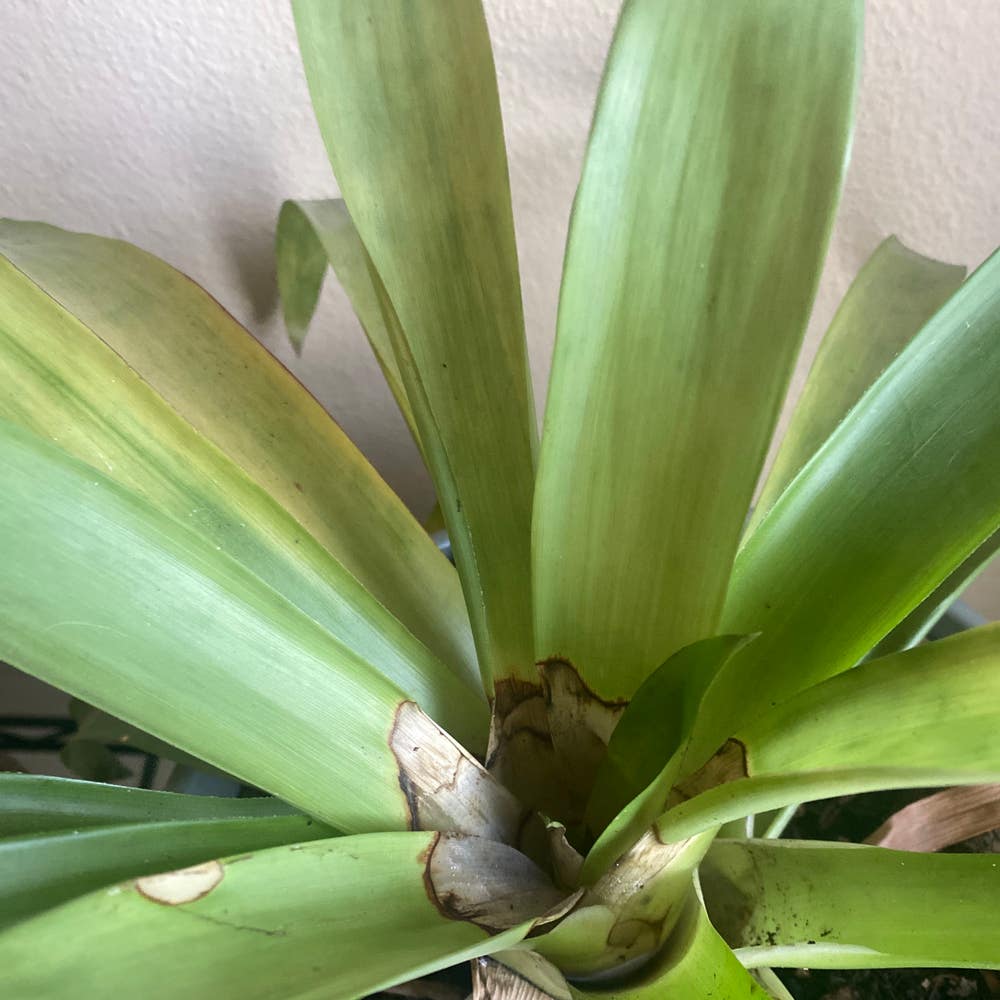
🌸 4 Tips for Growing Neoregelia 'Pink Sensation'
Neoregelia 'Pink Sensation'
By the Greg Editorial Team
Sep 29, 2024•6 min read
This article was created with the help of AI so we can cover more plants for you. May contain errors. See one? Report it here.
- 🌞 Bright, filtered sunlight is crucial; avoid direct light to prevent leggy growth.
- 🌡️ Maintain 65°F to 85°F temperatures and 50% humidity for optimal Neoregelia growth.
- 🌱 Use a well-draining mix and pots with drainage holes to prevent root rot.
Choosing a Location
Light Requirements 🌞
When selecting a location for your Neoregelia 'Pink Sensation', consider both indoor and outdoor light conditions. These plants thrive in bright, filtered sunlight, making them perfect for a spot near a window that doesn’t receive harsh, direct rays.
If your plant isn’t getting enough light, you might notice leggy growth or fading colors. Keep an eye out for these signs to ensure your Neoregelia stays vibrant and healthy.
Temperature and Humidity Preferences 🌡️
Neoregelia 'Pink Sensation' prefers a cozy temperature range of 65°F to 85°F (18°C to 29°C). Maintaining humidity levels of 50% or higher is crucial for optimal growth, so consider using a humidity tray or misting your plant regularly.
Seasonal temperature fluctuations can impact your plant's health. Be mindful of sudden drops or spikes in temperature, as they can stress your Neoregelia.
Ideal Placement for Optimal Growth 🏡
For indoor growth, the best locations are near windows that provide indirect light. This setup mimics their natural habitat, allowing them to flourish.
Outdoors, look for shaded areas or spots under trees to protect your plant from intense sunlight. If you're container gardening, consider the mobility of your pots to easily adjust their light access as needed.
By choosing the right location, you set the stage for your Neoregelia 'Pink Sensation' to thrive. Next, let’s dive into soil preparation and planting to ensure your plant has a solid foundation for growth.
Soil Preparation and Planting
🌱 Recommended Soil Types
For Neoregelia 'Pink Sensation', a well-draining potting mix is essential. Combine orchid bark, peat moss, and perlite in equal parts for optimal growth.
The ideal soil pH ranges from slightly acidic to neutral, specifically between 5.5 and 7.0. This balance ensures your plant thrives without nutrient deficiencies.
💧 Soil Drainage and Aeration Considerations
Proper drainage is crucial for preventing root rot. Always choose pots with drainage holes to allow excess water to escape.
In addition to drainage, aeration techniques can enhance root health. Consider using a mix that promotes airflow, ensuring your plant's roots stay healthy and vibrant.
🪴 Step-by-Step Planting Instructions
- Choose a pot with drainage holes. This is non-negotiable for healthy roots.
- Prepare the soil mix: Combine equal parts of orchid bark, peat moss, and perlite.
- Fill the pot with the soil mix, leaving space for the plant.
- Remove the Neoregelia from its nursery pot and gently loosen the roots.
- Place the plant in the center of the pot and fill in with soil.
- Water lightly to settle the soil around the roots.
Following these steps will set your Neoregelia up for success. With the right soil and planting techniques, your plant will flourish and bring vibrant color to your space.
Next, let’s dive into the watering and fertilizing needs to keep your Neoregelia thriving.
Watering and Fertilizing
Watering Frequency and Techniques 🌧️
To keep your Neoregelia 'Pink Sensation' thriving, establish a watering schedule of every 1-2 weeks. Adjust this based on humidity levels; higher humidity may allow for less frequent watering.
When watering, focus on filling the central rosette and lightly moistening the soil. This technique helps mimic the plant's natural environment, ensuring it receives adequate moisture without drowning.
Watch for signs of overwatering, such as yellowing leaves and mushy roots. These indicators can signal that you need to adjust your watering habits.
Best Practices for Fertilizing 🌱
Fertilizing your bromeliad is essential for robust growth. Aim to fertilize every 4-6 weeks during the growing season to provide the nutrients it craves.
Use a balanced liquid fertilizer diluted to half strength. This approach prevents nutrient burn while still delivering the essential elements your plant needs.
Types of Fertilizers 🧪
Consider organic options like fish emulsion or seaweed extract for a natural boost. These fertilizers are gentle and can enhance soil health over time.
Alternatively, synthetic slow-release fertilizers designed specifically for bromeliads can offer convenience. They provide a steady supply of nutrients, making care easier for busy plant parents.
By following these watering and fertilizing guidelines, you'll set your Neoregelia 'Pink Sensation' up for success. Next, let’s explore how to prune and maintain ongoing care for your vibrant plant.
Pruning and Ongoing Care
When and How to Prune 🌿
Pruning your Neoregelia 'Pink Sensation' is essential for maintaining its health and appearance. The best time to prune is right after flowering or when you notice any damaged leaves.
To prune effectively, focus on removing dead or damaged leaves at the base. This not only improves the plant's look but also encourages new growth.
Signs of Overwatering or Underwatering 💧
Understanding how to spot watering issues is crucial for your plant's health. Overwatering often leads to wilting, root rot, and leaf discoloration.
On the flip side, underwatering can manifest as crispy leaf edges and drooping leaves. Keeping an eye on these signs will help you adjust your care routine promptly.
General Care Routine for Healthy Growth 🌱
Regular inspections are key to catching pests and diseases early. Make it a habit to check your plant for any unusual signs.
Maintaining humidity levels is also vital. You can achieve this by misting your plant or using a humidity tray to create a more favorable environment.
As seasons change, be prepared to adjust your care routine. Different growth phases may require varying levels of attention and resources.
By staying proactive in your pruning and care, you'll ensure your Neoregelia thrives beautifully. Next, let’s explore common challenges and solutions that can arise in your plant care journey.
Common Challenges and Solutions
🐛 Identifying and Managing Pests
Pests can be a real headache for your Neoregelia 'Pink Sensation.' The most common culprits include mealybugs and aphids.
Common Pests
- Mealybugs: Look for cotton-like masses on the leaves. They can sap your plant's energy, leading to stunted growth.
- Aphids: These small, green insects often hide on new growth. They can cause significant damage if left unchecked.
Control Methods
To tackle these pests, consider using insecticidal soap or neem oil treatments. Both are effective and safe for your plant.
For smaller infestations, manual removal works wonders. Just wipe them off with a damp cloth or use a soft brush.
🦠 Addressing Common Diseases
Diseases can sneak up on your Neoregelia, but being vigilant can save the day.
Root Rot
One of the most common issues is root rot. Symptoms include wilting, even when you’re watering properly.
To prevent this, ensure your pot has adequate drainage and follow proper watering techniques. Less is often more when it comes to watering!
🌍 Tips for Overcoming Environmental Stressors
Environmental factors can stress your plant, but you can mitigate these challenges.
- Adjust Light Exposure: As seasons change, so should your plant's light exposure. Move it to ensure it gets the right amount of filtered sunlight.
- Humidity: During dry seasons, consider adding humidity. A simple misting or a humidity tray can make a big difference.
- Temperature Monitoring: Keep an eye on temperature fluctuations. Protect your plant from drafts to maintain a stable environment.
By staying proactive about pests, diseases, and environmental stressors, you can ensure your Neoregelia 'Pink Sensation' thrives beautifully. Next, let’s dive into the essential pruning and ongoing care techniques to keep your plant in top shape!
⚠️ Safety First
This content is for general information and may contain errors, omissions, or outdated details. It is not medical, veterinary advice, or an endorsement of therapeutic claims.
Always consult a qualified healthcare professional before using any plant as food, medicine, or supplement.
Never eat any plant (or feed one to pets) without confirming its identity with at least two trusted sources.
If you suspect poisoning, call Poison Control (800) 222-1222, the Pet Poison Helpline (800) 213-6680, or your local emergency service immediately.
Spotted an error? Please report it here.
Transform your Neoregelia 'Pink Sensation' into a vibrant masterpiece 🌺 with Greg's tailored care tips and reminders that keep your plant thriving in its ideal environment!