Top 9 Signs Your Erica 'Fontana' Needs Pollination 🐝
Erica 'Fontana'
By the Greg Editorial Team
Nov 07, 2024•7 min read
This article was created with the help of AI so we can cover more plants for you. May contain errors. See one? Report it here.
Unlock the secrets of Erica 'Fontana' 🌸 and its vibrant pollination process for a thriving garden! 🐝
- 🌼 Erica 'Fontana' attracts bees, butterflies, and hummingbirds for effective pollination.
- 🌱 Self-pollination aids survival in low pollinator environments, ensuring reproduction.
- 🐝 Cross-pollination boosts genetic diversity, enhancing resilience against diseases and environmental changes.
Flower Structure
🌸 Description of Flower Characteristics
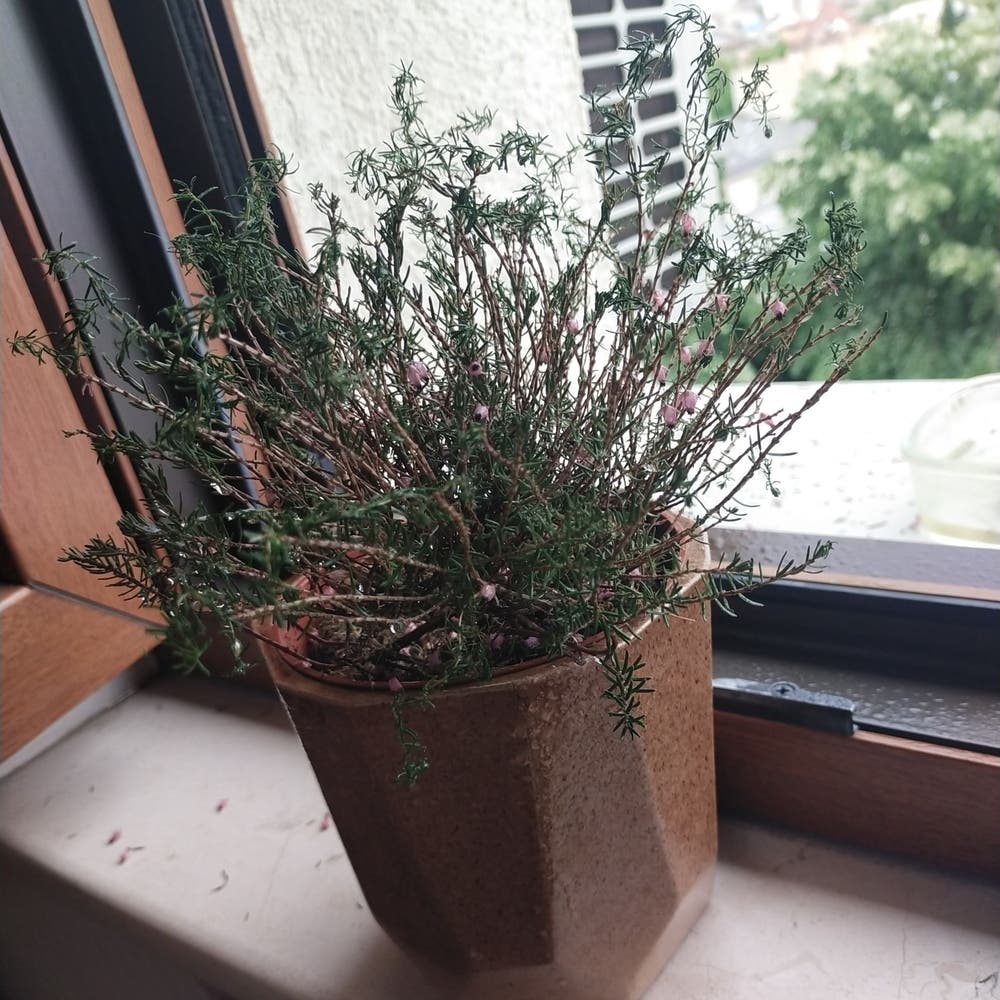
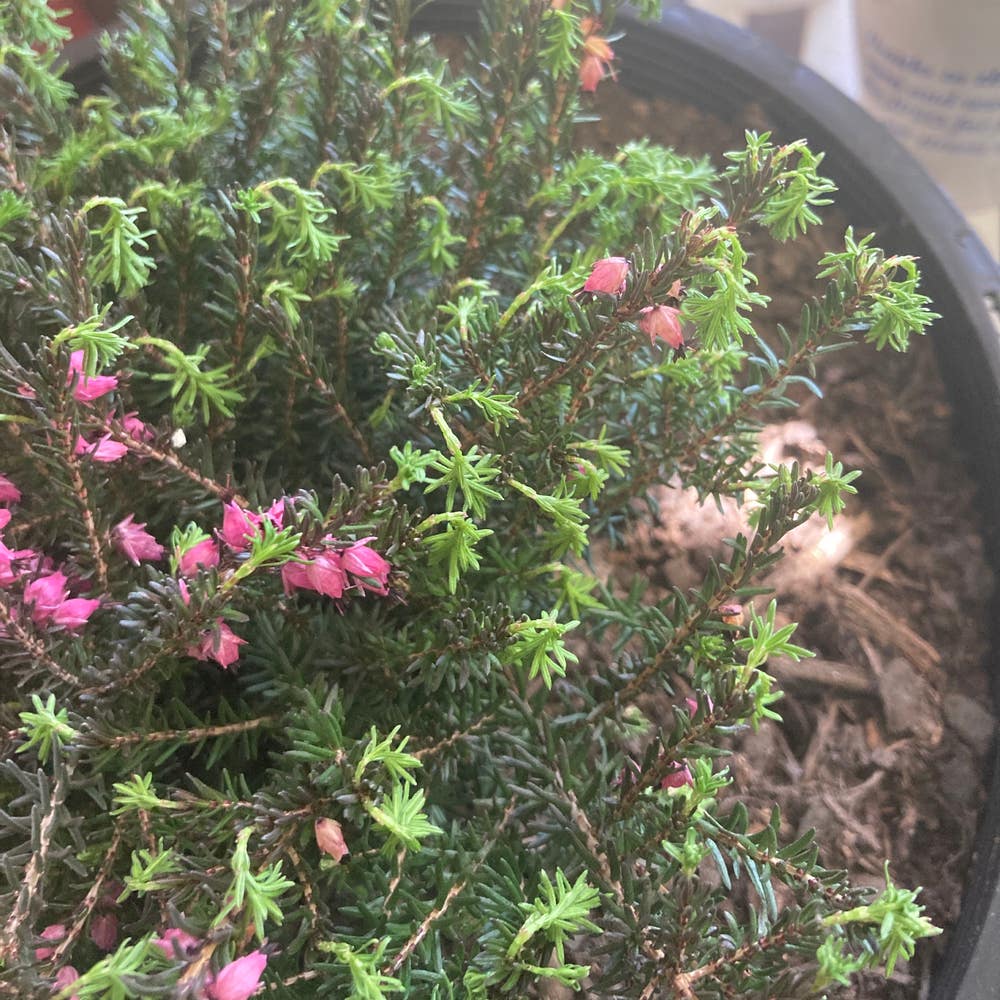
Erica 'Fontana' boasts stunning tubular blooms that are narrow at the base and wider at the opening. These vibrant pink to purple flowers not only catch the eye but also attract a variety of pollinators.
The flowers are arranged in clusters, which enhances their visibility to potential pollinators. This strategic arrangement makes it easier for bees, butterflies, and other creatures to locate and access the nectar.
🐝 Role of Flower Structure in Pollination
The unique tubular shape of Erica 'Fontana' is specifically designed to facilitate pollination. This structure is ideal for certain pollinator species, such as bees and butterflies, which can easily reach the nectar within.
While Erica 'Fontana' primarily relies on cross-pollination, it may have adaptations that allow for self-pollination under specific conditions. This flexibility can be beneficial in environments where pollinator activity is low, ensuring the plant's reproductive success.
Understanding the flower's structure is crucial for appreciating its role in the ecosystem. The design not only attracts pollinators but also supports the plant's overall health and genetic diversity.
As we delve deeper into the pollination process, we’ll explore how self-pollination and cross-pollination contribute to the resilience of Erica 'Fontana'.
Pollination Process
Self-Pollination vs. Cross-Pollination 🌱
Erica 'Fontana' has the fascinating ability to self-pollinate, which can be a lifesaver in environments where pollinators are scarce. This process allows the plant to produce seeds without needing another flower, ensuring its survival even in challenging conditions.
However, cross-pollination is crucial for Erica 'Fontana' as it promotes genetic diversity. This diversity enhances the plant's resilience to diseases and environmental changes, making it stronger and more adaptable.
Identification of Primary Pollinators 🐝
Bee Pollination
Bees are the primary pollinators of Erica 'Fontana', drawn to its vibrant flowers. As they collect nectar, they inadvertently transfer pollen from one bloom to another, facilitating fertilization.
Butterfly Pollination 🦋
Butterflies are also attracted to the colorful blooms of Erica 'Fontana'. Their delicate movements help spread pollen, contributing significantly to the plant's reproductive success.
Hummingbird Attraction 🐦
The tubular shape of Erica 'Fontana' flowers is particularly appealing to hummingbirds. These agile birds are not only attracted to the nectar but also play a vital role in pollination as they flit from flower to flower, ensuring effective pollen transfer.
Understanding the pollination process is essential for nurturing Erica 'Fontana' and enhancing its growth. Next, we will explore the natural mechanisms of pollen transfer that support these vital interactions.
Natural Pollination
🌬️ Pollen Transfer Mechanisms
Pollination in Erica 'Fontana' relies on the effective transfer of pollen from the male parts of the flower to the female parts. This process typically involves the movement of pollen grains from the stamens, which consist of anthers and filaments, to the pistil, comprising the stigma, style, and ovary.
Several mechanisms facilitate this pollen transfer. Wind can carry pollen over short distances, but insects play a more significant role. Bees, butterflies, and other pollinators actively collect pollen while feeding on nectar, inadvertently transferring it between flowers. Additionally, environmental factors like humidity and temperature can influence the efficiency of these natural processes.
🌼 Importance of Pollination
Pollination is crucial for the reproduction of Erica 'Fontana', ensuring the production of seeds and fruit. This process not only supports the plant's life cycle but also contributes to genetic diversity, which is vital for adapting to changing environmental conditions.
Cross-pollination, in particular, enhances the resilience of Erica 'Fontana'. By mixing genetic material from different plants, it fosters a stronger population capable of withstanding pests, diseases, and climate fluctuations. This genetic diversity is essential for the long-term survival of the species, making effective pollination a key factor in its health and sustainability.
As we explore the next section, we’ll delve into the methods of hand pollination, providing practical steps to support your Erica 'Fontana' in thriving.
Hand Pollination ((difficulty:moderate))
Step-by-Step Instructions for Hand Pollination 🌼
Hand pollination can be a rewarding way to ensure your Erica 'Fontana' thrives. Follow these simple steps to get started.
1. Identifying Male and Female Flower Parts 🔍
First, you need to know the flower's anatomy. The male parts, called stamens, consist of anthers and filaments. The female parts include the pistil, which is made up of the stigma, style, and ovary.
2. Collecting Pollen 🧹
Next, gather your tools. Use a small brush or a cotton swab to gently collect pollen from the anthers. This step is crucial for ensuring you have enough pollen for effective transfer.
3. Transferring Pollen ✨
Now, it’s time to work your magic. Carefully apply the collected pollen to the stigma of another flower. This transfer is essential for successful fertilization.
4. Timing for Hand Pollination ⏰
Timing is everything! Perform hand pollination during peak flowering periods for maximum effectiveness. This is when the flowers are most receptive and ready for pollen.
By following these steps, you can enhance the pollination success of your Erica 'Fontana'. Hand pollination not only boosts your plant's reproduction but also deepens your connection to nature.
Next, let’s explore how to support pollinators in your garden for even better results!
Supporting Pollinators
🌼 Creating a Pollinator-Friendly Environment
To support the vital pollinators that help your Erica 'Fontana' thrive, start by planting native species. These plants bloom at various times throughout the growing season, ensuring a steady food supply for pollinators.
Additionally, it's crucial to avoid using pesticides. Many of these chemicals can harm beneficial insects, including bees and butterflies, which are essential for pollination.
🌱 Companion Plants for Pollinators
Choosing the right companion plants can significantly enhance the pollination success of your Erica 'Fontana'. Consider planting:
- Lavender: Attracts bees with its fragrant blooms.
- Coneflower (Echinacea): A favorite among butterflies and bees alike.
- Bee Balm (Monarda): Known for drawing in hummingbirds and a variety of pollinators.
These plants not only beautify your garden but also create a welcoming habitat for the pollinators that play a crucial role in your plant's reproduction.
By fostering a pollinator-friendly environment, you can ensure that your Erica 'Fontana' receives the attention it needs to flourish. This proactive approach not only benefits your plants but also contributes to the overall health of local ecosystems.
As you cultivate this supportive environment, you'll be setting the stage for the next section, where we’ll explore the challenges that can hinder successful pollination.
Pollination Challenges
Common Obstacles to Successful Pollination 🐝
Pollination success for Erica 'Fontana' can be hindered by various environmental factors. Temperature fluctuations and high humidity levels can disrupt the delicate balance required for effective pollen transfer.
Additionally, the decline in pollinator populations poses a significant challenge. With fewer bees, butterflies, and hummingbirds visiting, the chances of cross-pollination diminish, impacting the plant's overall health and genetic diversity.
Solutions for Overcoming Challenges 🌼
To improve pollination success, consider creating a more inviting environment for pollinators. Planting a diverse array of native species that bloom at different times can provide continuous food sources throughout the growing season.
Moreover, avoiding pesticides is crucial. These chemicals can harm beneficial pollinators, further exacerbating the challenges faced by Erica 'Fontana'.
Another effective strategy is to provide additional nesting sites and food sources for pollinators. Simple actions like adding bee hotels or planting companion flowers can significantly enhance the local pollinator population.
Lastly, adjusting care practices can mitigate environmental impacts. Regularly monitoring weather conditions and adapting watering schedules can help maintain optimal growing conditions for both the plants and their pollinators.
By addressing these challenges proactively, you can foster a thriving ecosystem that supports the pollination needs of Erica 'Fontana' and enhances its resilience.
⚠️ Safety First
This content is for general information and may contain errors, omissions, or outdated details. It is not medical, veterinary advice, or an endorsement of therapeutic claims.
Always consult a qualified healthcare professional before using any plant as food, medicine, or supplement.
Never eat any plant (or feed one to pets) without confirming its identity with at least two trusted sources.
If you suspect poisoning, call Poison Control (800) 222-1222, the Pet Poison Helpline (800) 213-6680, or your local emergency service immediately.
Spotted an error? Please report it here.
Boost your Erica 'Fontana's growth and pollination success 🌼 with Greg's tailored care reminders that help you nurture both your plant and its vital pollinators!