How Fast A Erica 'Fontana' Grows 🐢
Erica 'Fontana'
By the Greg Editorial Team
Nov 07, 2024•6 min read
This article was created with the help of AI so we can cover more plants for you. May contain errors. See one? Report it here.
Nurture Erica 'Fontana' from seed to stunning bloom 🌸 and transform your garden into a vibrant paradise!
- 🌱 Erica 'Fontana' germinates best in 18-24°C with moist soil for 2-4 weeks.
- 🌼 Expect vibrant blooms in late spring, lasting 4-6 weeks, attracting pollinators.
- 🌞 Optimal growth requires nutrient-rich soil and bright, indirect sunlight for 1-2 years.
Germination Stage
🌱 Germination Process
To kick off the growth journey of Erica 'Fontana', optimal germination conditions are crucial. Aim for a temperature range of 18°C to 24°C (65°F to 75°F) and ensure the soil remains consistently moist but not waterlogged.
Germination typically takes about 2-4 weeks for the seeds to sprout. During this time, patience is key as you nurture the seeds into their first stages of life.
Several factors can influence the success of germination. First, seed quality matters—fresh seeds generally yield better results. Additionally, using well-draining, acidic soil can significantly enhance germination rates, setting the stage for robust growth.
By paying attention to these details, you can create the perfect environment for your Erica 'Fontana' seeds to thrive. This foundational stage is essential for a healthy plant, leading seamlessly into the next phase of development.
Seedling Stage
🌱 Development of Seedlings
The seedling stage of Erica 'Fontana' lasts about 4-6 weeks after germination. During this time, you'll witness the emergence of small, delicate leaves, marking the plant's initial growth.
🌿 Characteristics of Seedlings
At this stage, seedlings typically reach a height of 2-4 inches. Their tender leaves are a sign of healthy development, setting the foundation for future growth.
🌞 Care Requirements
Proper care is crucial for thriving seedlings. They require bright, indirect sunlight to flourish, ensuring they get enough light without being scorched.
Maintaining consistent moisture is essential, but be careful not to overwater. This balance will help your seedlings establish strong roots and prepare them for the next growth stage.
As you nurture your seedlings, you'll see them transform into robust plants ready for the vegetative growth phase. This transition is an exciting part of the journey, leading to even more vibrant growth ahead.
Vegetative Growth Stage
Growth Characteristics 🌱
The vegetative growth stage of Erica 'Fontana' is a dynamic period lasting about 1-2 years, influenced by various environmental factors. During this time, you can expect rapid growth, with plants typically reaching heights of 12-24 inches.
Leaf Development 🍃
As the plant grows, you'll notice significant changes in leaf development. The foliage becomes denser and more vibrant, creating a lush appearance that enhances the overall aesthetic of your garden.
Structural Changes 🏗️
The structure of the plant also evolves during this stage. A compact growth habit becomes more pronounced, making Erica 'Fontana' an attractive addition to any landscape.
Environmental Factors 🌍
Several environmental factors play a crucial role in the growth of Erica 'Fontana'.
Soil Quality
Nutrient-rich, acidic soils are essential for promoting faster growth. Ensuring your soil is well-drained will help the plant thrive.
Sunlight Exposure
Full sun conditions significantly enhance vegetative development. Make sure your plant receives ample sunlight to maximize its growth potential.
In summary, the vegetative growth stage is marked by rapid height increase, denser foliage, and a compact structure, all of which are influenced by soil quality and sunlight exposure. Understanding these factors will help you cultivate a healthy and vibrant Erica 'Fontana'.
Next, we will explore the transition to the flowering stage, where your plant will begin to showcase its beautiful blooms.
Flowering Stage
🌸 Transition to Flowering
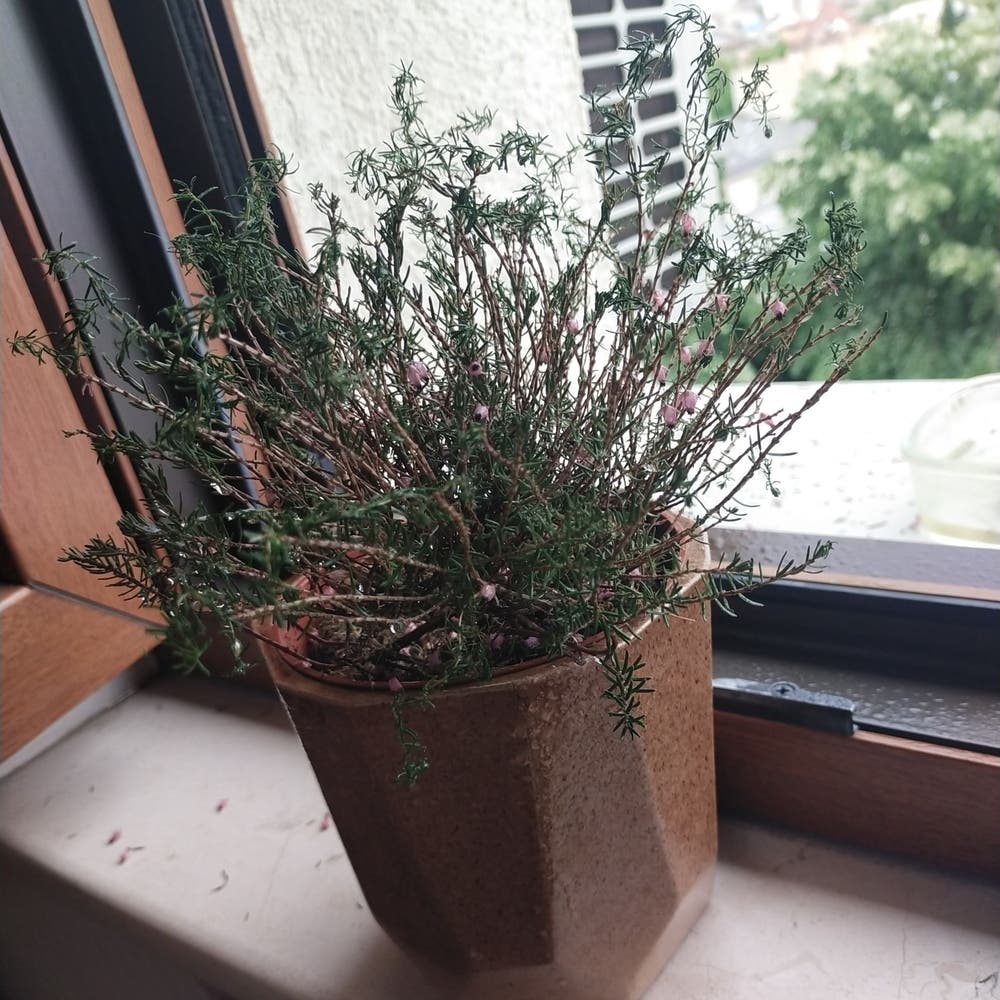
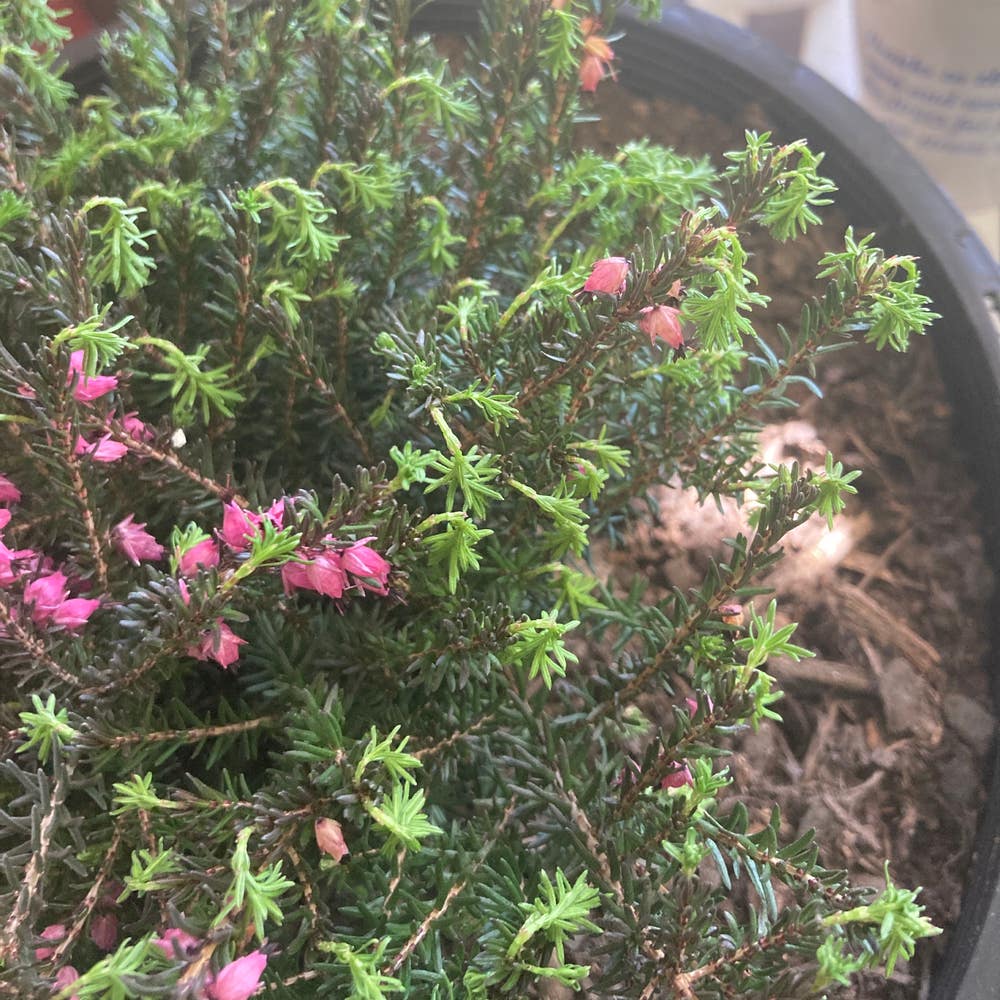
The flowering stage of Erica 'Fontana' typically occurs in late spring to early summer, lasting about 4-6 weeks. This vibrant period is marked by the emergence of stunning pink to purple flowers that not only beautify the landscape but also play a crucial role in the plant's lifecycle.
🌼 Characteristics of Flowering
During this stage, the flowers attract a variety of pollinators, including bees and butterflies. Their presence is essential for pollination, which leads to successful seed development later on.
🌱 Factors Influencing Flowering
Several factors influence when and how well Erica 'Fontana' flowers.
- Age of the Plant: Generally, flowering begins after 1-2 years of growth, as the plant matures and gains strength.
- Environmental Conditions: Adequate sunlight and moisture are crucial for a successful flowering period. Without these, the blooms may be sparse or fail to develop altogether.
Understanding these elements can help you create the ideal conditions for your Erica 'Fontana' to thrive and produce its beautiful flowers.
As we move forward, we’ll explore the subsequent seed production stage, where the magic of pollination leads to the next chapter in the plant's life cycle.
Seed Production Stage
Seed Development 🌱
The seed production stage of Erica 'Fontana' kicks off after the flowering phase, usually in late summer. This is when the magic of pollination occurs, primarily facilitated by insects, ensuring the formation of seeds.
Pollination Process 🐝
Pollination is crucial for seed development. Insects, particularly bees and butterflies, play a vital role in transferring pollen, which leads to successful seed formation.
Seed Dispersal 🌬️
Once the seeds are formed, they undergo a fascinating dispersal process. As the seed capsules dry, they split open, releasing the seeds into the environment, ready to start the cycle anew.
Lifespan and Longevity 🌳
Erica 'Fontana' can thrive for several years, especially when provided with optimal growing conditions. With the right care, you can enjoy its beauty for an extended period, making it a rewarding addition to your garden.
This stage is not just about reproduction; it’s a testament to the resilience and adaptability of the plant. Understanding the seed production process enriches your appreciation for Erica 'Fontana' and sets the stage for the next topic: growth rate and maturation.
Growth Rate and Maturation
Maturation Time 🌱
Maturation for Erica 'Fontana' typically occurs in about 2-3 years under optimal conditions. Each growth stage has its own timeline, contributing to the plant's overall development.
- Germination: 2-4 weeks
- Seedling: 4-6 weeks
- Vegetative growth: 1-2 years
- Flowering: 4-6 weeks
- Seed production: Late summer following flowering
Factors Affecting Growth Rate ⚡️
Several key factors influence the growth rate of Erica 'Fontana'. Understanding these can help you optimize conditions for your plant.
- Soil quality: Well-drained, nutrient-rich soils are essential for faster growth.
- Watering practices: Consistent moisture is crucial, but avoid waterlogging to prevent root rot.
- Light exposure: Full sun significantly enhances growth rates, promoting robust development.
Notable Changes Throughout the Life Cycle 🌼
As Erica 'Fontana' progresses through its life cycle, you'll notice distinct changes at each stage.
- Seedling stage: Characterized by delicate, small leaves that signal new life.
- Vegetative growth: This stage brings dense foliage and increased height, creating a lush appearance.
- Flowering stage: Expect vibrant blooms that attract pollinators, adding beauty to your garden.
- Transition indicators: Watch for changes in leaf structure and color, along with the initiation of flower bud formation.
These stages reflect the plant's journey, showcasing its resilience and adaptability. By understanding these growth patterns, you can better care for Erica 'Fontana' and enjoy its beauty for years to come.
⚠️ Safety First
This content is for general information and may contain errors, omissions, or outdated details. It is not medical, veterinary advice, or an endorsement of therapeutic claims.
Always consult a qualified healthcare professional before using any plant as food, medicine, or supplement.
Never eat any plant (or feed one to pets) without confirming its identity with at least two trusted sources.
If you suspect poisoning, call Poison Control (800) 222-1222, the Pet Poison Helpline (800) 213-6680, or your local emergency service immediately.
Spotted an error? Please report it here.
Nurture your Erica 'Fontana' from seedling to stunning bloom 🌼 with Greg's tailored care tips and reminders that ensure optimal growth at every stage!