🪴 Ultimate Guide to Soil for Erica 'Fontana'
Erica 'Fontana'
By the Greg Editorial Team
Nov 07, 2024•6 min read
This article was created with the help of AI so we can cover more plants for you. May contain errors. See one? Report it here.
Cultivate vibrant Erica 'Fontana' blooms 🌸 by mastering the ideal soil mix and pH balance for thriving growth! 🌱
- 🌱 Erica 'Fontana' needs well-draining, moisture-retaining soil to thrive and prevent root rot.
- ⚖️ Ideal soil pH is 4.5 to 6.0; acidic conditions boost nutrient availability.
- 🏡 Use ericaceous compost and organic matter for optimal soil health and plant growth.
Soil Composition for Erica 'Fontana'
Ideal Soil Composition 🌱
Creating the perfect soil for Erica 'Fontana' is essential for its health and growth. This plant thrives in a well-draining structure that prevents root rot while retaining moisture without waterlogging.
Characteristics of Ideal Soil
The ideal soil should have a balance of drainage and moisture retention. A well-draining structure allows excess water to escape, preventing the roots from sitting in soggy conditions.
Recommended Soil Types
For Erica 'Fontana', consider using ericaceous compost. This type of compost is specifically formulated for acid-loving plants, providing the right nutrients and pH balance.
Another excellent option is a potting mix designed for heathers. These mixes typically contain a blend of peat, bark, and sand, ensuring proper drainage and aeration.
Importance of Organic Matter
Incorporating organic matter into your soil is crucial. It enhances soil structure and boosts nutrient availability, which is vital for healthy plant growth.
Suitable organic materials include peat moss and compost. These ingredients not only improve soil texture but also provide essential nutrients that support the plant's development.
By understanding the ideal soil composition for Erica 'Fontana', you set the stage for vibrant growth and flourishing blooms. Next, we’ll explore the specific soil pH requirements that will further enhance your plant's health.
Soil pH Requirements
Importance of Soil pH 🌱
Understanding soil pH is crucial for the health of your Erica 'Fontana.' The optimal pH range for this plant is between 4.5 and 6.0, which is slightly acidic.
When soil becomes too alkaline, it can hinder the plant's ability to absorb essential nutrients, leading to poor growth and vitality.
How Soil pH Affects Nutrient Availability 📊
Soil pH directly impacts nutrient uptake. In acidic conditions, nutrients like iron and manganese are more available, while alkaline soils can lock these nutrients away, causing deficiencies.
Common nutrient deficiencies in improper pH conditions include yellowing leaves and stunted growth. Regularly testing your soil pH can help you maintain the ideal conditions for your Erica 'Fontana' to thrive.
By keeping an eye on soil pH, you can ensure your plants receive the nutrients they need for robust growth. This proactive approach sets the stage for a flourishing garden.
Next, we’ll explore the various soil amendments that can enhance growth and maintain optimal conditions for your plants.
Soil Amendments for Optimal Growth
Recommended Amendments 🌱
To ensure your Erica 'Fontana' thrives, consider using specific soil amendments. These can significantly enhance soil quality and promote healthy growth.
Types of Soil Amendments
Acidifying Agents
Two key acidifying agents are sulfur and iron sulfate. These help lower soil pH, creating an ideal environment for your plants.
Organic Amendments
Incorporating compost and well-rotted leaf mold enriches the soil with nutrients. These organic materials improve soil structure and moisture retention.
Application Rates and Methods 📏
Knowing how to apply these amendments is crucial for success.
How to Incorporate Amendments
Mix amendments into the top few inches of soil. This ensures that the nutrients are readily available to the roots.
Timing for Best Results ⏰
For optimal results, apply amendments before planting. You can also refresh them during the growing season to maintain soil health.
By using the right amendments and applying them correctly, you set the stage for robust growth in your Erica 'Fontana'. This proactive approach not only enhances soil quality but also fosters a thriving garden environment.
Next, we’ll explore how to identify and resolve unhealthy soil conditions to keep your plants flourishing.
Identifying and Resolving Unhealthy Soil
🚩 Signs of Unhealthy Soil
Recognizing unhealthy soil is crucial for the health of your Erica 'Fontana'. Start by observing visual indicators, such as moldy soil, which can arise from overwatering or poor drainage. Mold not only looks unappealing but also signals potential root rot issues.
Soil compaction is another red flag. Symptoms include hard, crusty surfaces that hinder water drainage and root growth. If you notice your soil feels dense and doesn't crumble easily, it's time to take action.
👀 Other Signs of Unhealthy Soil
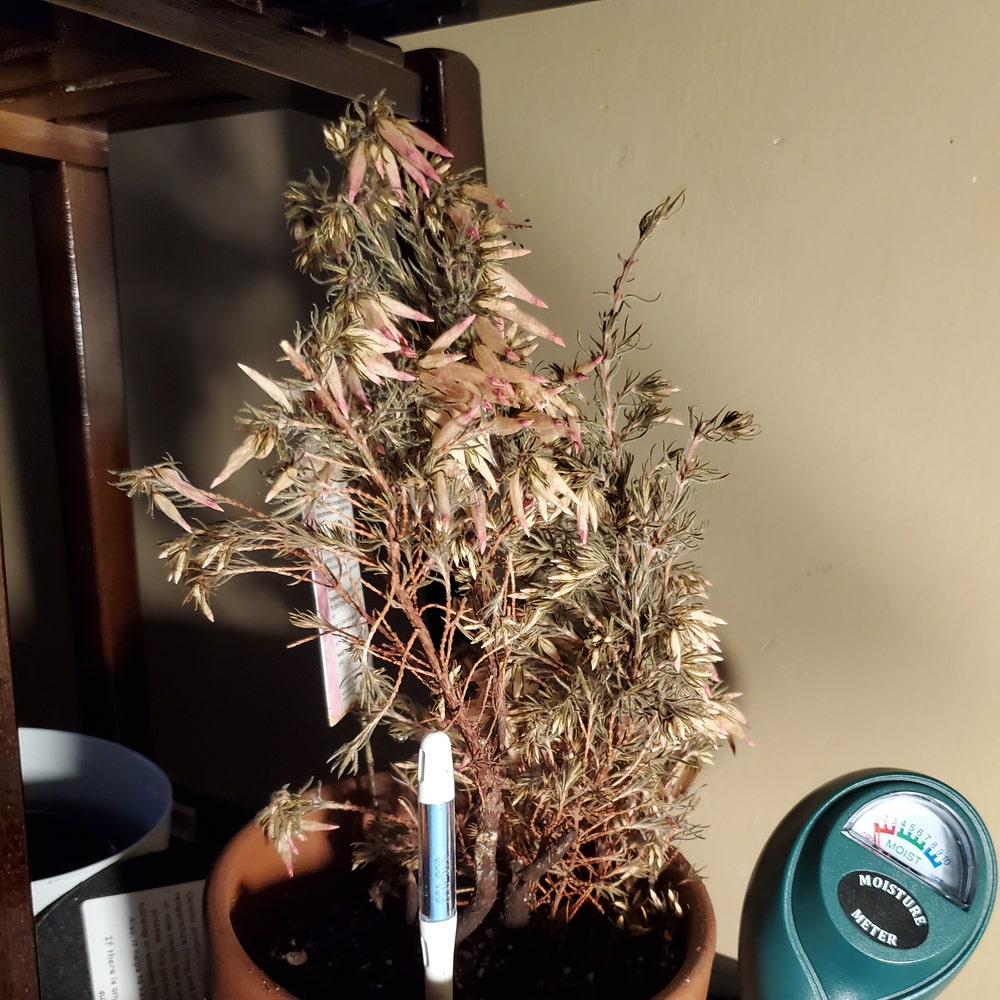
Poor plant growth is a clear indicator of soil problems. If your Erica 'Fontana' has stunted or yellowing leaves, it may be struggling due to nutrient deficiencies or poor soil conditions. Additionally, foul odors emanating from the soil can indicate anaerobic conditions, which are detrimental to plant health.
🛠️ Solutions for Soil Issues
To address moldy soil, first identify the cause. Overwatering is often the culprit, so adjust your watering schedule accordingly. Effective removal techniques include gently scraping off the mold and improving air circulation around the plant.
Preventative measures are key to avoiding recurrence. Ensure proper drainage by using well-draining soil and pots with drainage holes.
🌱 Compaction Issues: How to Alleviate
Compaction can be a serious issue for your plants. To alleviate it, consider aeration techniques. Using tools like a garden fork or aerator can help break up compacted soil, allowing air and water to penetrate more effectively.
Regularly incorporating organic matter, such as compost, can also improve soil structure and prevent future compaction. By maintaining healthy soil, you set the stage for robust growth and vibrant blooms in your Erica 'Fontana'.
With these strategies in hand, you can confidently nurture your soil and ensure your plants thrive. Next, let’s explore how to create a homemade soil mix tailored for your Erica 'Fontana'.
Creating a Homemade Soil Mix
Step-by-Step Guide 🌱
Creating the perfect soil mix for your Erica 'Fontana' is straightforward and rewarding. Start by gathering essential materials such as ericaceous compost, perlite, and peat moss.
Gather materials: Look for ingredients like ericaceous compost, perlite, and peat moss. These components provide the right balance of nutrients and drainage.
Mixing ratios: Aim for a blend of 50% ericaceous compost, 30% perlite, and 20% peat moss. This ratio ensures optimal moisture retention while maintaining good drainage.
Combining ingredients: Use a large container or wheelbarrow to mix the ingredients thoroughly. Stir until you achieve a uniform texture, ensuring each component is evenly distributed.
Tips for Proper Drainage and Aeration 💧
Proper drainage is crucial for the health of your Erica 'Fontana'. Without it, roots can suffocate and rot.
Importance of drainage in soil mix: Good drainage prevents water from pooling, which can lead to root rot. Always check that your mix allows excess water to escape easily.
How to test drainage capability: Conduct a simple test by pouring water into a small amount of your soil mix. If the water drains quickly, you’re on the right track!
To enhance aeration, consider these techniques:
- Incorporating larger particles: Adding materials like gravel or pumice can significantly improve air circulation within the soil. This helps roots breathe and promotes healthy growth.
By following these steps and tips, you’ll create a homemade soil mix that supports the vibrant growth of your Erica 'Fontana'. Next, let’s explore the essential soil amendments that can further enhance your plant's health.
⚠️ Safety First
This content is for general information and may contain errors, omissions, or outdated details. It is not medical, veterinary advice, or an endorsement of therapeutic claims.
Always consult a qualified healthcare professional before using any plant as food, medicine, or supplement.
Never eat any plant (or feed one to pets) without confirming its identity with at least two trusted sources.
If you suspect poisoning, call Poison Control (800) 222-1222, the Pet Poison Helpline (800) 213-6680, or your local emergency service immediately.
Spotted an error? Please report it here.
Keep your Erica 'Fontana' thriving with perfectly balanced soil 🌿 by using Greg's tailored tips for moisture retention and pH monitoring to ensure vibrant growth and blooms!