🌸 Erica 'Fontana' Is Not Considered a Weed
Erica 'Fontana'
By the Greg Editorial Team
Nov 07, 2024•6 min read
This article was created with the help of AI so we can cover more plants for you. May contain errors. See one? Report it here.
Transform your garden with Erica 'Fontana' 🌱—a stunning, non-invasive plant that nurtures local ecosystems!
- 🌱 Erica 'Fontana' is non-invasive, supporting ecological balance in gardens.
- 🌼 Enjoy vibrant blooms from late winter to early summer with this drought-tolerant plant.
- 🐝 Attracts pollinators and provides habitat, enhancing local biodiversity effortlessly.
Plant Classification
Non-Invasive Nature 🌱
Erica 'Fontana' is celebrated for its non-invasive nature, making it a fantastic choice for gardeners who want to maintain ecological balance. Unlike invasive species, which can overtake native plants and disrupt local ecosystems, Erica 'Fontana' coexists harmoniously with its surroundings.
Invasive plants typically exhibit aggressive growth, spread rapidly, and outcompete native flora for resources. Erica 'Fontana', on the other hand, has a moderate growth rate and is easily managed, ensuring it doesn’t dominate the garden landscape. This characteristic allows it to thrive without posing a threat to local biodiversity.
Understanding the traits that define invasive species helps clarify why Erica 'Fontana' is a safe option. It doesn’t produce vast quantities of seeds or have aggressive root systems that can choke out other plants. Instead, it enhances the garden's beauty while supporting the local ecosystem.
By choosing Erica 'Fontana', gardeners can enjoy a vibrant plant that contributes positively to their environment. This makes it an excellent addition for those looking to cultivate a sustainable and visually appealing garden.
As we explore its growth habits next, you'll see how this plant not only fits well into various designs but also thrives with minimal maintenance.
Growth Habits
🌱 Typical Growth Patterns
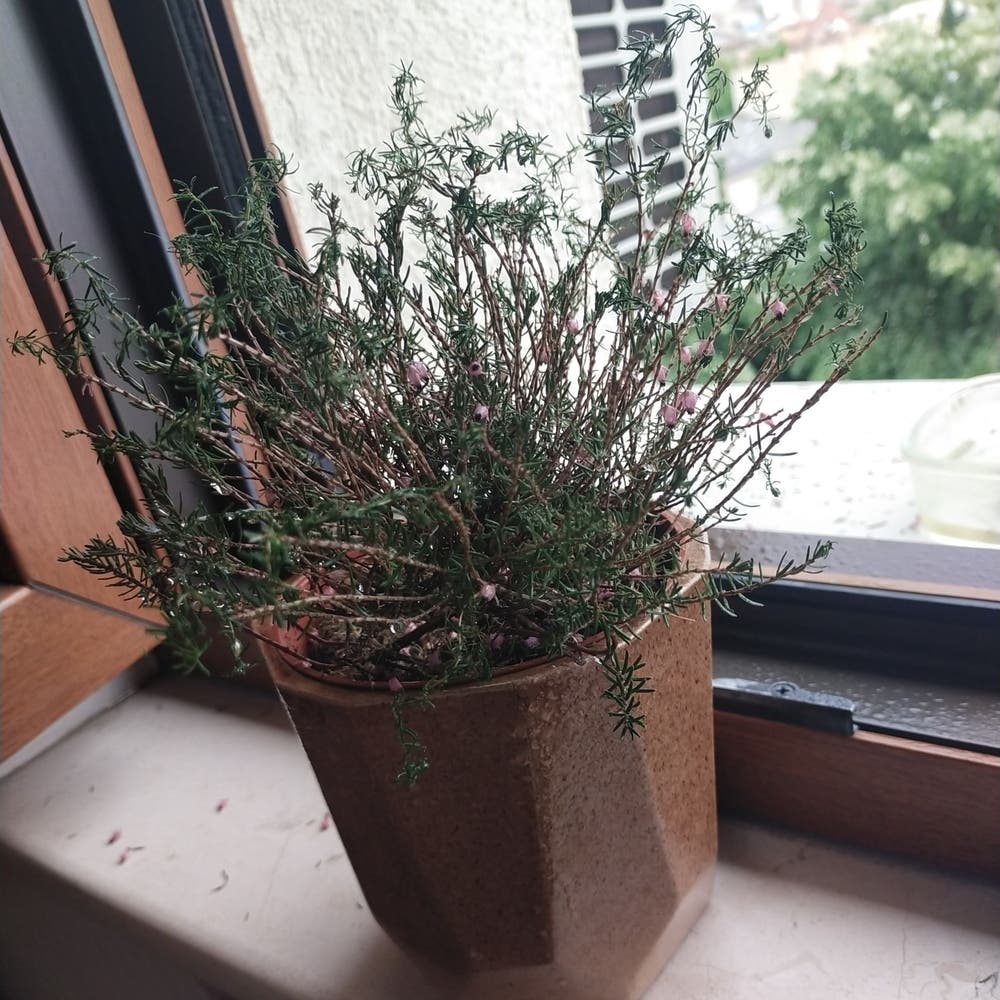
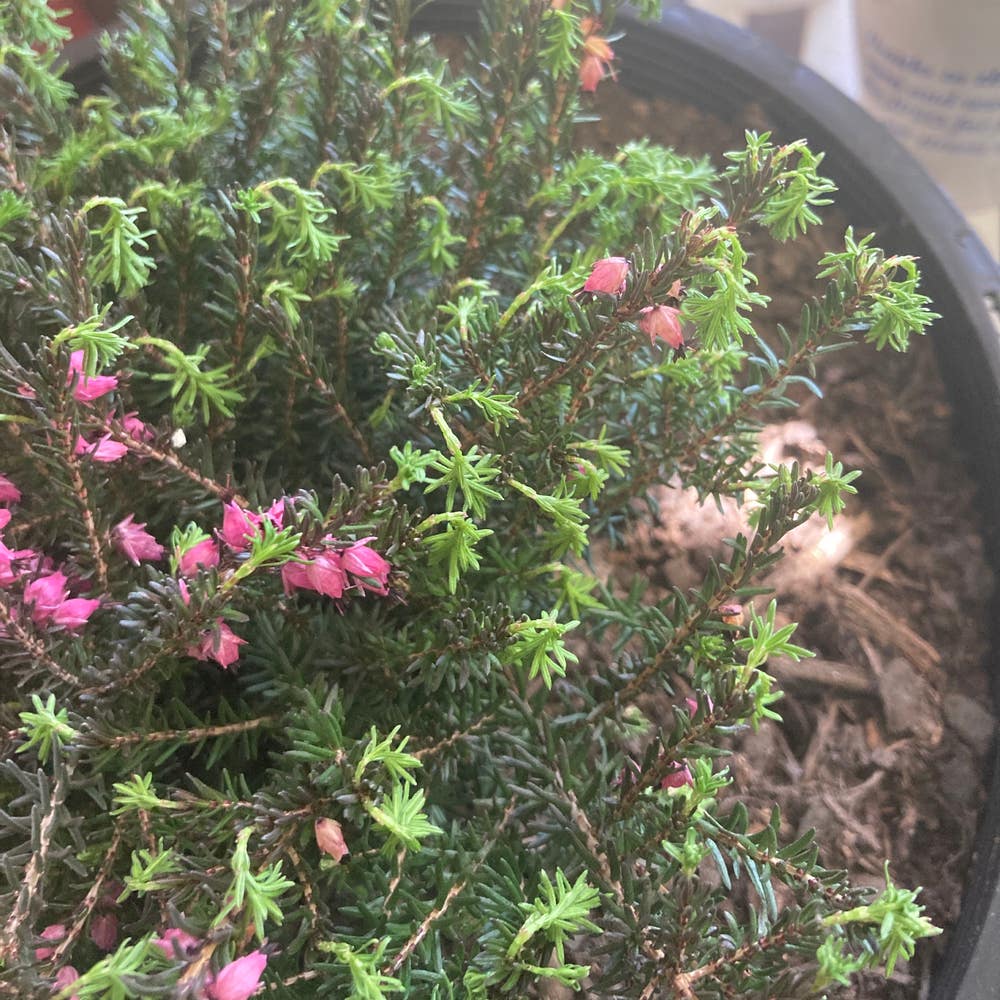
Erica 'Fontana' boasts a moderate growth rate, establishing itself well within the first year. Its flowering season is impressively long, offering vibrant blooms from late winter to early summer.
Maintaining Erica 'Fontana' is a breeze, as it requires minimal upkeep. Occasional pruning helps maintain its shape and encourages healthy growth.
📏 Natural Limits to Growth
In terms of size, Erica 'Fontana' typically reaches a height of 1-2 feet and spreads about 2-3 feet wide. Its growth is influenced by soil type and moisture levels, making these factors crucial for optimal development.
Once established, this plant shows remarkable drought tolerance, although it thrives best with consistent moisture. This adaptability makes it a great choice for various garden settings.
With its manageable size and low maintenance needs, Erica 'Fontana' fits seamlessly into many landscape designs. Next, we’ll explore its ecological role and the benefits it brings to local ecosystems.
Ecological Role
Benefits in Ecosystems 🌼
Erica 'Fontana' plays a vital role in enhancing biodiversity by attracting pollinators like bees and butterflies. These creatures are essential for the health of our ecosystems, as they facilitate the pollination of many plants.
Additionally, this plant provides habitat and food sources for local wildlife. Birds and small mammals find shelter and nourishment among its foliage, contributing to a balanced ecosystem.
Positive Interactions 🐞
This hardy plant supports beneficial insects, which are crucial for pest control and pollination. By fostering a healthy ecosystem, Erica 'Fontana' helps maintain the natural balance in your garden.
Moreover, it can be effectively used in companion planting. When paired with other plants, it enhances their growth and overall health, creating a thriving garden environment.
Incorporating Erica 'Fontana' into your landscape not only beautifies your space but also promotes ecological well-being. As we explore garden management next, consider how this plant can fit into your design for a sustainable and vibrant garden.
Garden Management
Incorporation into Designs 🌼
Erica 'Fontana' shines in various garden settings, making it a versatile choice for rock gardens, borders, and ground cover. When designing your garden, consider grouping it with other non-invasive plants to create a visually appealing landscape.
To keep your garden vibrant throughout the year, combine Erica 'Fontana' with plants that bloom at different times. This strategy ensures a continuous display of color, enhancing the overall aesthetic of your outdoor space.
Growth Control Methods ✂️
Maintaining the shape of Erica 'Fontana' is simple with light pruning after flowering. This practice not only keeps the plant looking tidy but also encourages healthy growth.
Regular monitoring is essential to ensure that Erica 'Fontana' remains within your desired boundaries. By checking its growth periodically, you can enjoy its beauty without it becoming unruly in your garden.
With these management tips, you can fully appreciate the charm of Erica 'Fontana' while keeping your garden thriving and well-organized. Next, let’s explore how this plant compares to other non-invasive species.
Comparison to Other Plants
🌱 Similar Non-Invasive Plants
When considering non-invasive plants, Erica 'Fontana' stands out among its relatives in the Ericaceae family, particularly Rhododendron and Azalea. While these plants are beloved for their beauty, Erica 'Fontana' offers a unique compact growth habit that makes it ideal for smaller spaces.
In addition to its size, Erica 'Fontana' boasts a longer flowering season, providing vibrant blooms from late winter to early summer. This extended display of color can brighten up any garden, making it a fantastic choice for those looking to enhance their landscape.
✨ Unique Qualities
One of the standout features of Erica 'Fontana' is its evergreen foliage, which ensures year-round interest in your garden. This characteristic not only adds texture but also creates a lush backdrop for seasonal blooms.
Moreover, Erica 'Fontana' is incredibly versatile in landscape design. It fits seamlessly into various garden styles, from modern minimalist to traditional cottage gardens. Its adaptability makes it a favorite among gardeners seeking to create visually appealing and sustainable outdoor spaces.
As you explore the possibilities of incorporating Erica 'Fontana' into your garden, consider how its unique qualities can complement your existing plants and enhance your overall design.
Legal and Environmental Considerations
🌱 Classifications and Guidelines
Understanding local regulations is crucial when incorporating plants like Erica 'Fontana' into your garden. Many regions have specific guidelines that promote the use of non-invasive species to protect local ecosystems.
Sourcing Erica 'Fontana' from reputable nurseries ensures you’re getting healthy plants that contribute positively to your landscape. Always check for certifications or labels indicating that the plants are non-invasive and suitable for your area.
♻️ Sustainable Gardening Practices
Erica 'Fontana' plays a vital role in supporting biodiversity, particularly by attracting pollinators such as bees and butterflies. This not only enhances the beauty of your garden but also contributes to the health of the local ecosystem.
Selecting non-invasive plants like Erica 'Fontana' is essential for sustainable landscape design. By choosing plants that coexist harmoniously with local flora and fauna, you help maintain ecological balance and promote a thriving environment for all living beings.
Incorporating these practices into your gardening routine not only benefits your garden but also fosters a deeper connection with nature. As you plan your garden, consider how each plant contributes to the overall ecosystem, paving the way for a more sustainable future.
⚠️ Safety First
This content is for general information and may contain errors, omissions, or outdated details. It is not medical, veterinary advice, or an endorsement of therapeutic claims.
Always consult a qualified healthcare professional before using any plant as food, medicine, or supplement.
Never eat any plant (or feed one to pets) without confirming its identity with at least two trusted sources.
If you suspect poisoning, call Poison Control (800) 222-1222, the Pet Poison Helpline (800) 213-6680, or your local emergency service immediately.
Spotted an error? Please report it here.
Transform your garden with Erica 'Fontana' 🌼 and let Greg guide you with tailored care tips to ensure it flourishes while boosting local biodiversity!