🌸 Why Erica 'Fontana' Is A Perennial Plant
Erica 'Fontana'
By the Greg Editorial Team
Nov 07, 2024•6 min read
This article was created with the help of AI so we can cover more plants for you. May contain errors. See one? Report it here.
Elevate your garden's charm with Erica 'Fontana' 🌱, a resilient perennial that blooms beautifully year after year!
- 🌱 Erica 'Fontana' thrives in acidic soils, making it perfect for heathland gardens.
- 🌼 This perennial blooms reliably each year, attracting pollinators and enhancing garden beauty.
- 💧 Drought-resistant and low-maintenance, Erica 'Fontana' simplifies garden care while enriching landscapes.
Erica 'Fontana' as a Perennial
🌱 Characteristics that Classify it as a Perennial
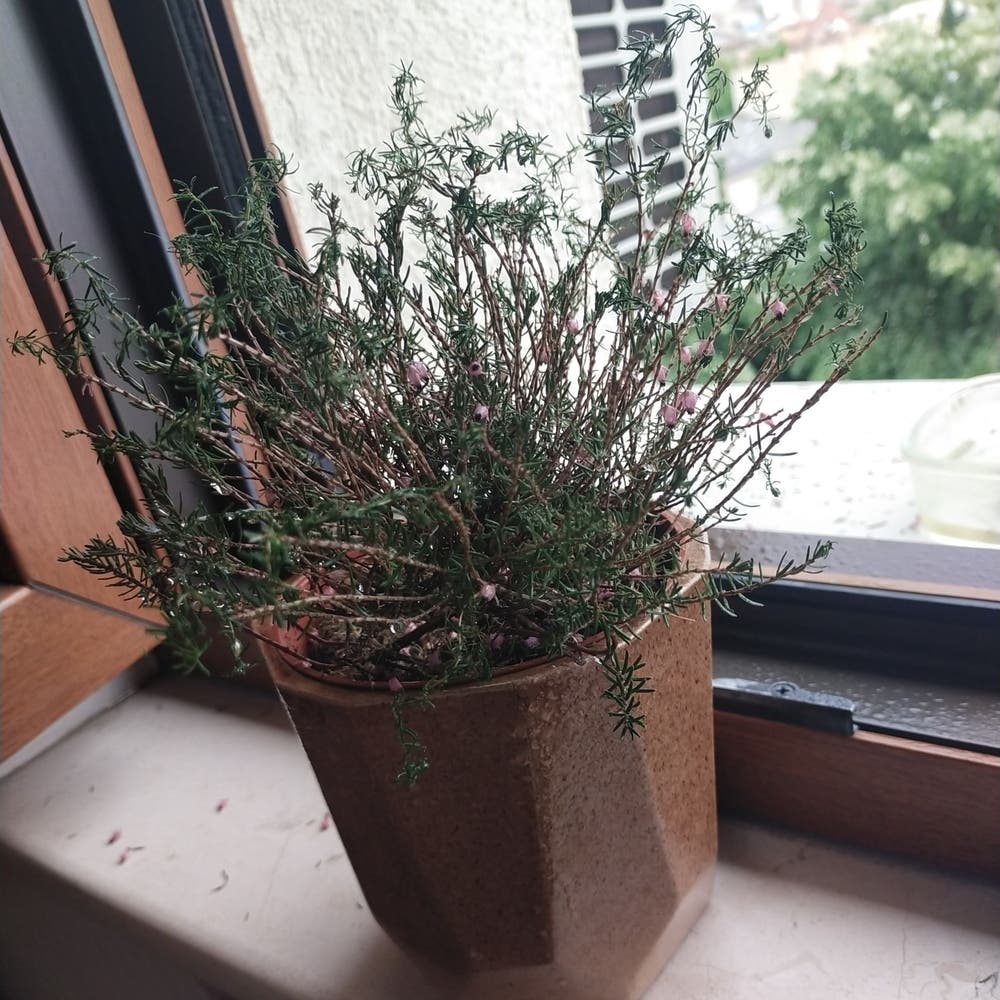
Erica 'Fontana' is a hardy evergreen shrub that flourishes in acidic soils, which are commonly found in heathland habitats. This adaptability allows it to thrive in environments where many other plants struggle.
Its multi-year lifecycle is another key characteristic of perennials. Each year, Erica 'Fontana' regrows from the same root system, ensuring a vibrant presence in your garden season after season.
🌿 Growth Patterns and Regrowth from Roots
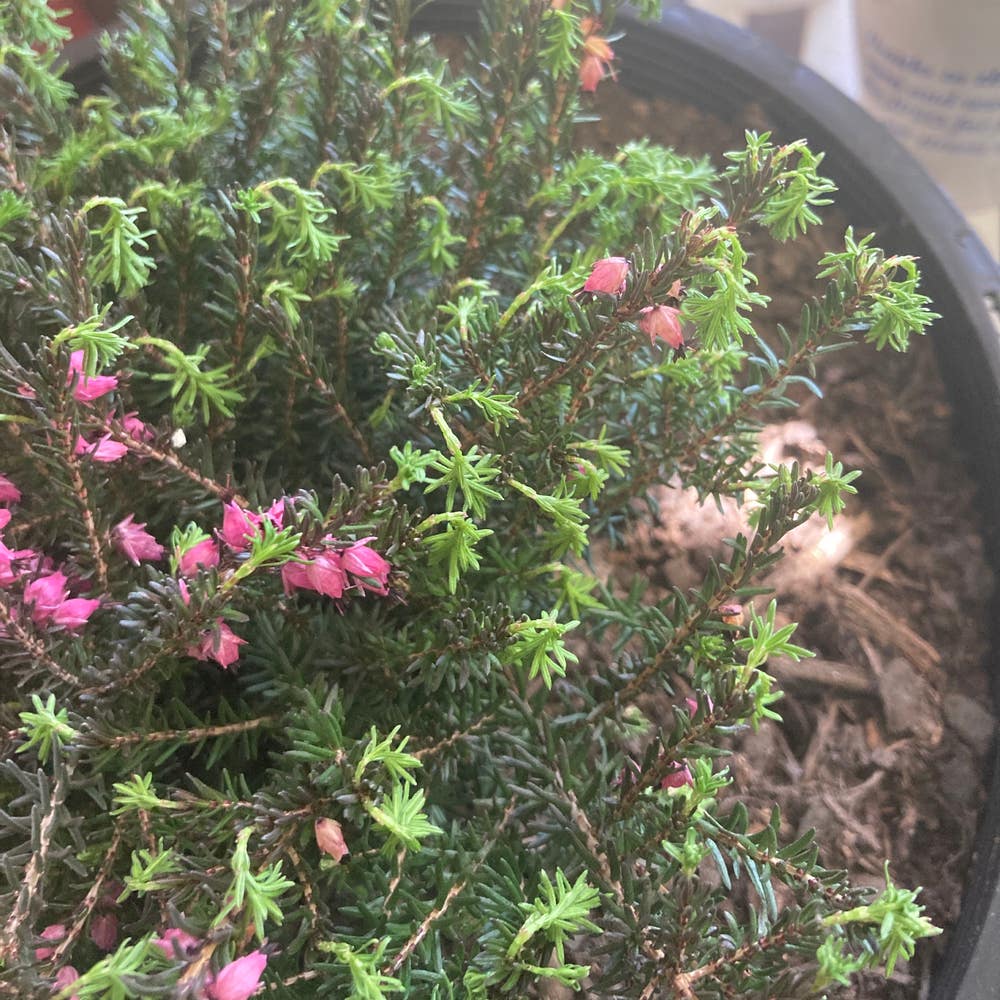
The growth habit of Erica 'Fontana' is compact and bushy, which is essential for its classification as a perennial. This dense structure not only adds visual interest but also supports the plant's resilience.
Additionally, its root system is deep and extensive. This robust network allows the plant to absorb nutrients and water effectively over multiple years, contributing to its longevity and health in various conditions.
With these characteristics, Erica 'Fontana' stands out as a reliable choice for gardeners looking to enhance their landscapes with a perennial that offers both beauty and durability.
As we explore the growth and flowering implications of this remarkable plant, we’ll see how its perennial nature influences its blooming cycles and overall lifespan.
Growth and Flowering Implications
🌸 How Perennial Nature Affects Flowering Cycles
Erica 'Fontana' showcases vibrant blooms from late winter to early spring, making it a stunning addition to any garden. Its perennial nature ensures that these beautiful flowers return consistently each year, enhancing the overall aesthetics of your outdoor space.
The reliable flowering cycle not only brings color but also attracts pollinators, contributing to a thriving garden ecosystem. This predictability allows gardeners to plan seasonal displays with confidence, knowing that Erica 'Fontana' will deliver.
⏳ Lifespan Expectations
The expected lifespan of Erica 'Fontana' ranges from 5 to 10 years, depending on care and environmental conditions. Factors such as soil quality, climate, and maintenance practices play a crucial role in determining how long this hardy shrub will thrive.
Proper care can significantly extend its life, allowing you to enjoy its beauty for many seasons. By paying attention to these factors, you can ensure that your Erica 'Fontana' remains a vibrant part of your garden for years to come.
As you consider the implications of its growth and flowering, it's essential to think about how these characteristics can influence your overall garden design and maintenance strategies.
Dormancy and Seasonal Changes
🌱 Description of Dormancy Periods
Dormancy in Erica 'Fontana' typically occurs during extreme weather, especially in colder climates. This remarkable plant adapts by entering a dormant state, allowing it to withstand harsh conditions and conserve energy.
🌼 Seasonal Changes Throughout the Year
Spring: As temperatures rise, Erica 'Fontana' emerges from dormancy, showcasing vibrant blooms that signal the start of the growing season.
Summer: This is the active growth phase, where the plant flourishes, developing lush foliage and preparing for the next flowering cycle.
Fall: As days shorten, the plant begins to prepare for dormancy, gradually slowing its growth and conserving resources.
Winter: During the cold months, Erica 'Fontana' remains dormant, relying on its established root system to survive until spring returns.
Understanding these seasonal changes can help gardeners appreciate the resilience of Erica 'Fontana' and plan their care accordingly. This knowledge sets the stage for exploring the advantages of this perennial in garden planning.
Advantages for Gardeners
🌱 Benefits of Reduced Replanting
One of the standout advantages of Erica 'Fontana' is its status as a long-term investment. Once established, this hardy perennial requires less frequent replanting, allowing gardeners to enjoy its beauty without the hassle of constant replacements.
This not only saves time but also conserves resources, making it a cost-effective choice for maintaining a vibrant garden. With Erica 'Fontana', you can focus on enjoying your space rather than worrying about replanting.
🌳 Importance of Established Root Systems
The strength of Erica 'Fontana' lies in its established root systems. These robust roots contribute significantly to the plant's resilience, enabling it to withstand drought conditions better than many other plants.
Moreover, a well-developed root system enhances the plant's ability to absorb nutrients from the soil over time. This means healthier plants that thrive year after year, providing a stunning display in your garden.
Incorporating Erica 'Fontana' into your garden not only simplifies maintenance but also enriches your landscape with its enduring beauty. As we explore further, we'll look at how different climates can influence the behavior of this remarkable perennial.
Variations Across Climate Zones
Influence of Different Climates on Perennial Behavior 🌍
Erica 'Fontana' is remarkably hardy, thriving in a variety of climates. However, its performance can differ significantly based on environmental conditions.
This perennial can adapt to various soil types and moisture levels, making it a versatile choice for gardeners. Whether in a dry, sandy area or a more humid environment, it finds a way to flourish.
Factors Affecting Longevity in Various Conditions ⏳
Climate plays a crucial role in the longevity of Erica 'Fontana'. Temperature extremes can stress the plant, while humidity levels influence its overall health.
Soil pH is another critical factor; it prefers acidic conditions to thrive. Additionally, proper care practices, such as consistent watering and appropriate fertilization, are essential for maintaining its vitality over the years.
By understanding these climate-related factors, gardeners can better plan for the successful cultivation of Erica 'Fontana'. This knowledge ensures that the plant not only survives but thrives, enhancing the beauty of any garden space.
As we explore the next section, we'll delve into how to maximize the benefits of this resilient perennial in your garden planning.
Maximizing Benefits in Garden Planning
🌱 Tips for Incorporating in Garden Design
When planning your garden, consider placing Erica 'Fontana' in areas with acidic soil. This hardy shrub thrives in such conditions, making it a perfect choice for those specific spots.
Companion planting can enhance your garden's appeal. Pair Erica 'Fontana' with other perennials to create a vibrant, diverse landscape that blooms throughout the seasons.
📈 Long-Term Cultivation Strategies
Regular maintenance is key to a flourishing garden. Prune your Erica 'Fontana' periodically to promote healthy growth and abundant flowering.
Monitoring soil conditions is equally important. Keep an eye on moisture levels and nutrient content, adjusting your care practices to ensure optimal health for your plants.
By following these strategies, you can maximize the benefits of Erica 'Fontana' in your garden, ensuring it remains a stunning focal point for years to come.
⚠️ Safety First
This content is for general information and may contain errors, omissions, or outdated details. It is not medical, veterinary advice, or an endorsement of therapeutic claims.
Always consult a qualified healthcare professional before using any plant as food, medicine, or supplement.
Never eat any plant (or feed one to pets) without confirming its identity with at least two trusted sources.
If you suspect poisoning, call Poison Control (800) 222-1222, the Pet Poison Helpline (800) 213-6680, or your local emergency service immediately.
Spotted an error? Please report it here.
Cultivate the stunning resilience of Erica 'Fontana' in your garden, and let Greg help you thrive with custom care tips and reminders for vibrant blooms every season! 🌸