5 Tips to Save Your Erica 'Fontana' from Dying 💧
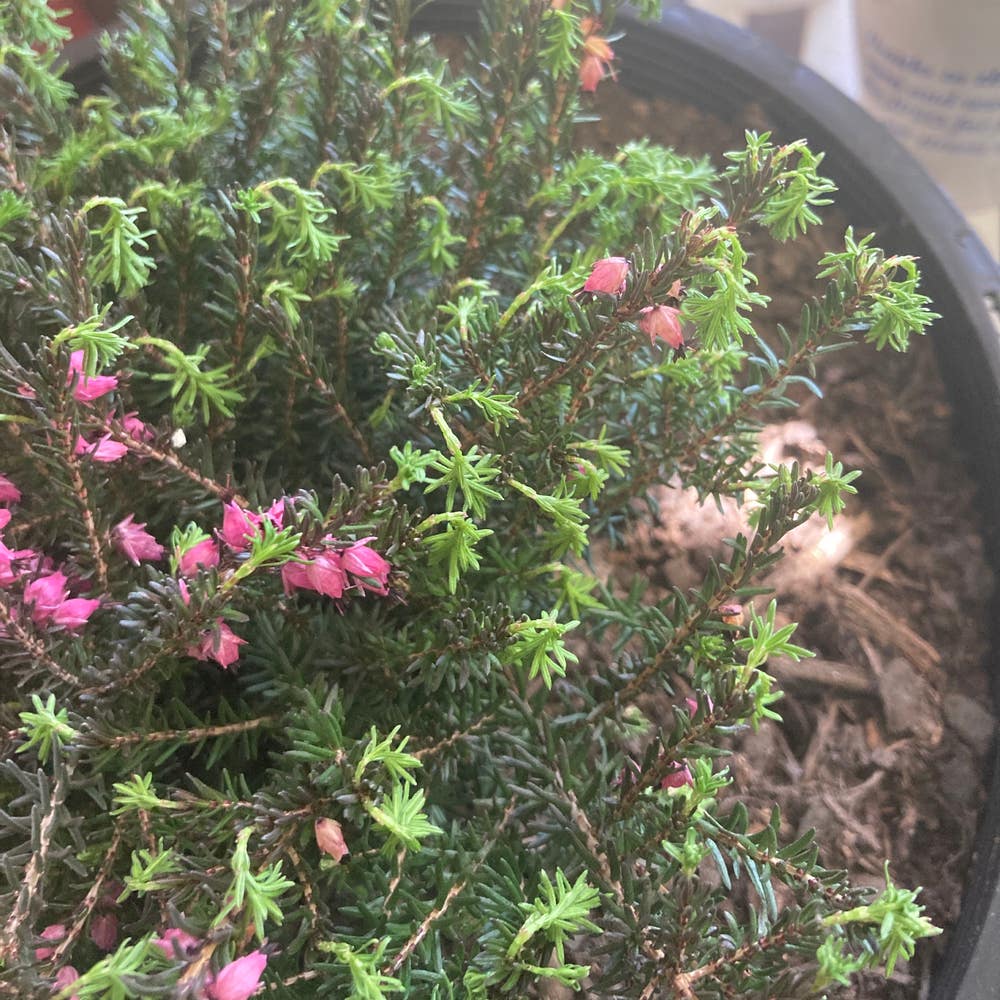
Erica 'Fontana'
By the Greg Editorial Team
Nov 07, 2024•5 min read
This article was created with the help of AI so we can cover more plants for you. May contain errors. See one? Report it here.
Revive your Erica 'Fontana' 🌱 by learning to spot distress signs and master essential care tips for vibrant growth!
- 🌱 Recognize unhealthy signs like yellowing leaves and wilting for timely intervention.
- 💧 Watering issues cause drooping; adjust frequency to prevent over or underwatering.
- ☀️ Optimal light is crucial; place your Erica 'Fontana' in full sun to partial shade.
Recognizing Unhealthy Erica 'Fontana'
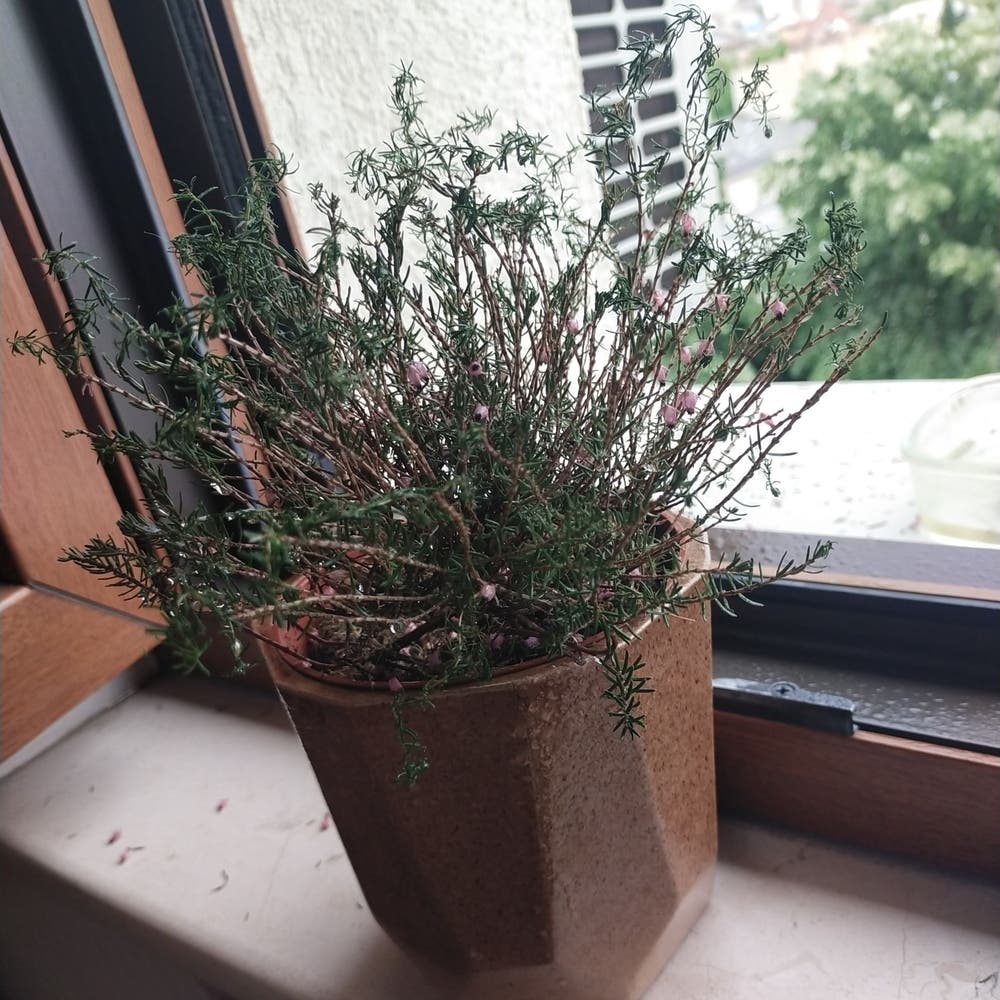
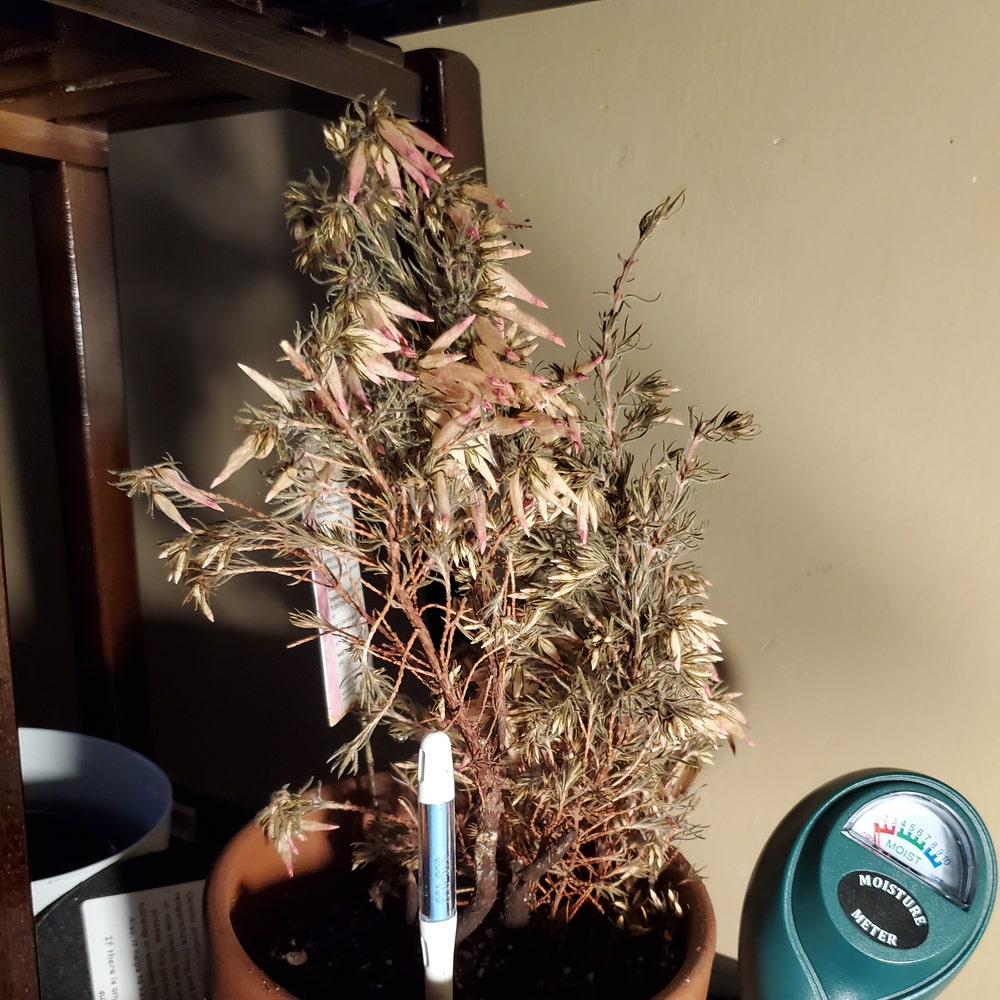
Signs of an unhealthy plant 🌱
Recognizing when your Erica 'Fontana' is in distress is crucial for its survival. Here are the key signs to watch for:
Yellowing leaves: This often indicates stress or a nutrient deficiency. If you notice this, it’s time to investigate further.
Wilting or drooping: These symptoms suggest issues with watering or root health. Your plant may be thirsty or suffering from root rot.
Fuzzy growth on leaves: This could signal a fungal infection or pest presence. Keep an eye out for any unusual textures on the foliage.
Leggy growth: If your plant is stretching out, it likely means it’s not getting enough light or is receiving improper care. This can lead to a weak and unhealthy plant.
By being vigilant and recognizing these signs early, you can take action to revive your Erica 'Fontana' before it’s too late. Next, let’s dive into common problems specific to this plant and how to address them effectively.
Common Problems Specific to Erica 'Fontana'
💧 Incorrect Watering
Identifying overwatering and underwatering
Overwatering is often indicated by yellowing leaves, mushy roots, and wilting, even when the soil feels wet. Conversely, underwatered plants display dry, crispy leaves, with soil pulling away from the pot edges.
Causes and effects
The primary causes of overwatering include poor drainage, heavy soils, and watering too frequently. Underwatering typically results from infrequent watering, high temperatures, and dry air.
Steps to resolve watering issues
For overwatered plants:
- Stop watering immediately.
- Check drainage holes to ensure they are clear.
- If root rot is suspected, repot in fresh, well-draining soil.
For underwatered plants:
- Water thoroughly until excess drains out.
- Increase watering frequency, especially during hot weather.
💡 Incorrect Light Conditions
Symptoms of inadequate or excessive light
Inadequate light leads to leggy growth, pale leaves, and slow development. On the other hand, excessive light results in scorched leaves, browning tips, and faded colors.
Causes of light-related problems
Light issues often arise from placing the plant in too dark or too bright locations. Seasonal changes can also affect the availability of light.
Solutions for optimal light exposure
Position your Erica 'Fontana' in full sun to partial shade, ideally receiving 4-6 hours of direct sunlight daily. Rotating the plant periodically ensures even light distribution.
🐛 Pests
Common pests affecting Erica 'Fontana'
Aphids and spider mites are the most common pests that can threaten your plant. Aphids are small, green insects that suck sap, while spider mites are tiny, web-spinning pests that cause stippling on leaves.
Identifying pest infestations
Look for visible insects, webbing, or sticky residue on the leaves. Yellowing or distorted foliage can also signal an infestation.
Treatment and prevention methods
For aphids:
- Spray with insecticidal soap or neem oil.
- Introduce beneficial insects like ladybugs to help control the population.
For spider mites:
- Increase humidity around the plant to deter them.
- Use miticides or insecticidal soap for treatment.
🦠 Diseases
Common diseases
Erica 'Fontana' can suffer from several diseases, including powdery mildew, rust, black rot, and blight. Each of these can significantly impact plant health.
Symptoms and identification
- Powdery mildew: Look for fuzzy white growth on leaves.
- Rust: Check for raised, rust-colored pustules on the undersides of leaves.
- Black rot: Identify dark, water-soaked areas on leaves.
- Blight: Watch for sudden leaf drop and wilting.
Treatment options for each disease
-
- Remove affected leaves.
- Apply fungicides or a baking soda solution.
-
- Remove infected foliage.
- Ensure good air circulation and avoid overhead watering.
Black rot and blight:
- Remove and destroy infected plant parts.
- Apply appropriate fungicides and improve drainage.
By addressing these common problems, you can help your Erica 'Fontana' thrive and avoid the pitfalls that lead to its decline. Next, let’s explore preventive measures to keep your plant healthy and vibrant.
Preventive Measures
🌱 Best Practices for Erica 'Fontana' Care
To keep your Erica 'Fontana' thriving, start with well-draining, acidic soil. This foundation is crucial for preventing root rot and ensuring your plant gets the nutrients it needs.
Water your plant consistently, but be careful not to overdo it. Aim for a balance that avoids waterlogging while keeping the soil adequately moist.
Regularly monitor light and temperature conditions to create an ideal environment. This attention to detail can significantly enhance your plant's health and growth.
🔍 Importance of Regular Monitoring
Regular monitoring is key to early detection of potential issues. Catching problems early can prevent severe damage and save your plant from distress.
Frequent checks help maintain overall plant health, allowing you to enjoy a vibrant Erica 'Fontana' for years to come.
📱 Using the Greg Plant Care App for Reminders
Consider using the Greg plant care app to set reminders for watering, fertilizing, and monitoring for pests and diseases. This handy tool can help you stay organized and proactive in your plant care routine.
Utilize the app to track plant health and care schedules, ensuring your Erica 'Fontana' receives the attention it deserves.
By implementing these preventive measures, you can cultivate a flourishing Erica 'Fontana' and enjoy the beauty it brings to your space. Next, let’s explore how to identify and tackle common problems that may arise.
⚠️ Safety First
This content is for general information and may contain errors, omissions, or outdated details. It is not medical, veterinary advice, or an endorsement of therapeutic claims.
Always consult a qualified healthcare professional before using any plant as food, medicine, or supplement.
Never eat any plant (or feed one to pets) without confirming its identity with at least two trusted sources.
If you suspect poisoning, call Poison Control (800) 222-1222, the Pet Poison Helpline (800) 213-6680, or your local emergency service immediately.
Spotted an error? Please report it here.
Keep your Erica 'Fontana' thriving 🌿 by using Greg's personalized reminders for watering and care, ensuring you catch any signs of distress before they become serious issues!