❄️ 8 Key Winter Strategies for Erica 'Fontana'
Erica 'Fontana'
By the Greg Editorial Team
Nov 07, 2024•4 min read
This article was created with the help of AI so we can cover more plants for you. May contain errors. See one? Report it here.
Ensure your plants thrive this winter for a vibrant spring garden! 🌱❄️
- ❄️ Frost protection is vital to prevent leaf damage during winter months.
- 🌱 Mulching insulates roots and retains moisture, crucial for winter plant health.
- 🌬️ Shelter plants from harsh winds to minimize frost exposure and damage.
Winter Care Strategies
❄️ Frost Protection Techniques
Frost protection is crucial for maintaining the health of your plants. It prevents leaf damage and ensures they thrive through the colder months.
To protect your plants from frost, consider these effective methods:
Mulching: Apply organic mulch, like pine needles, around the base of your plants. This insulates the roots and helps retain soil moisture.
Covering Plants: During extreme cold spells, use frost cloths or burlap to cover your plants. This creates a barrier against freezing temperatures.
Strategic Placement: Position your plants in sheltered areas, such as near walls or under trees. This reduces their exposure to harsh winds and frost.
💧 Adjusting Watering Schedules During Winter
Managing moisture is vital during winter. A proper watering schedule helps prevent stress on your plants.
Reduce the frequency of watering during the colder months. Always check the soil moisture before adding water to avoid overwatering.
Be on the lookout for signs of overwatering, such as yellowing leaves or symptoms of root rot. These indicators can signal that your plants are struggling.
🌱 Fertilizing Considerations in Winter
During winter dormancy, it's best to avoid fertilizing your plants. They are not actively growing and won’t benefit from additional nutrients.
Resume fertilization in early spring when growth begins to pick up again. This is the ideal time to give your plants a boost.
When you do fertilize, opt for slow-release, balanced fertilizers. These provide a steady supply of nutrients as your plants awaken from their winter slumber.
As you implement these winter care strategies, your plants will be better equipped to handle the cold. Next, we’ll explore how to care for your indoor plants during winter.
Indoor Winter Care
🕒 When to Bring Indoors
As winter approaches, it's crucial to recognize the signs that your plants need indoor care. Look for persistent low temperatures and frost warnings; these are clear indicators that it's time to act.
Bringing your plants indoors before the first hard frost can save them from damage. Timing is everything, so keep an eye on the weather forecasts to ensure you’re prepared.
🌱 Ideal Indoor Conditions for Wintering
Once indoors, your plants will thrive best in bright, indirect light. Direct sunlight can be too harsh during winter, so aim for a well-lit spot that doesn’t expose them to the sun's intensity.
Temperature is another key factor. Maintain a cozy range between 15°C to 20°C (59°F to 68°F) to keep your plants comfortable.
Humidity also plays a vital role in their health. Increase humidity levels by using pebble trays or misting your plants regularly. This simple step can make a significant difference in their winter survival.
By creating the right indoor environment, you set your plants up for success as they weather the winter months. Next, let’s explore how to prepare for the vibrant growth of spring.
Spring Preparation
🌱 Signs of Recovery from Winter Damage
As winter fades, look for signs of recovery in your plants. New growth emerging and vibrant foliage are clear indicators that your plants are bouncing back.
Conversely, brown or wilted leaves and stunted growth signal potential damage. Keep an eye on these symptoms to assess your plants' health.
🌼 Preparing for Spring Growth
Pruning is essential as you prepare for spring. Remove any dead or damaged branches to encourage healthy growth.
Next, check your soil pH and amend it if necessary. This ensures optimal conditions for your plants as they wake from dormancy.
Finally, adjust your watering routine. Gradually increase the frequency as temperatures rise, allowing your plants to thrive in the warming weather.
With these preparations, your garden will be ready to flourish in the spring. Transitioning from winter care to vibrant growth is an exciting time for any gardener!
Common Winter Problems and Solutions
🌨️ Identifying Frost Damage
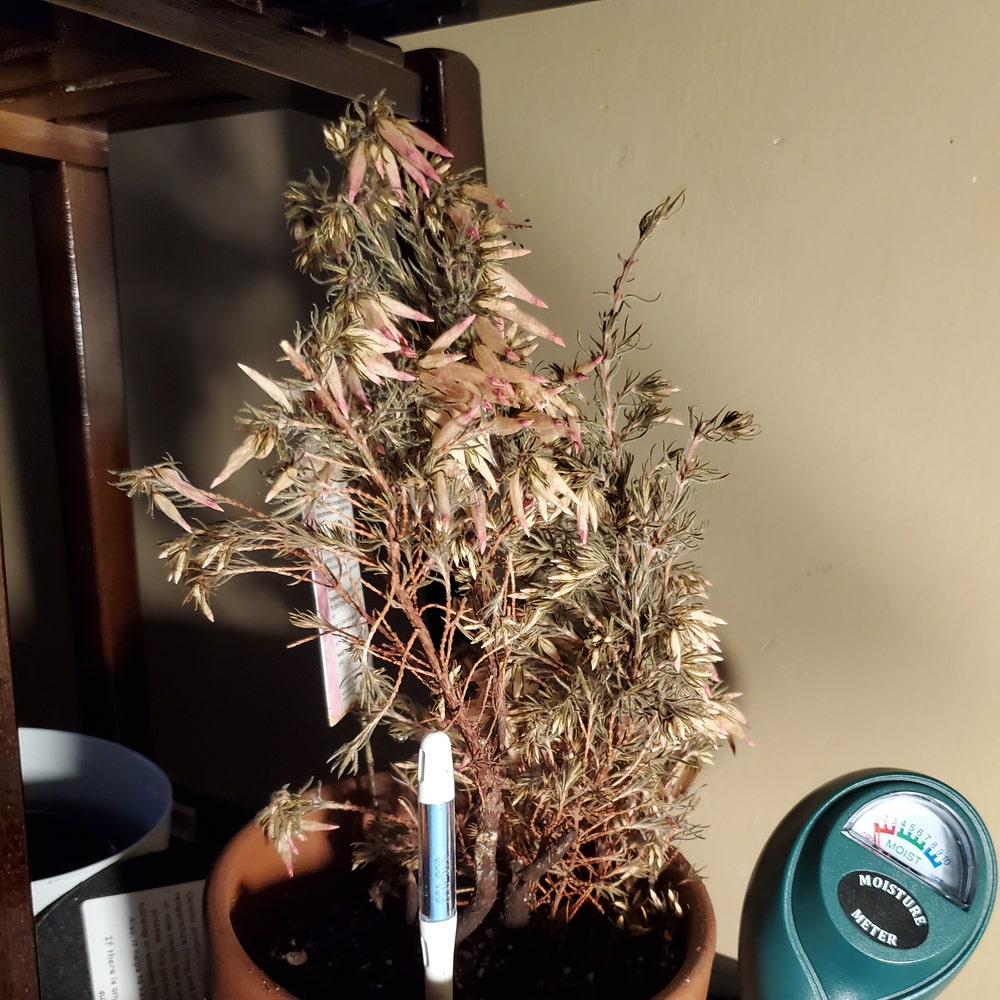
Frost can wreak havoc on your plants, leaving behind telltale signs of distress. Look for symptoms like brown, crispy leaf edges and wilting, which indicate that your plants have been affected by cold temperatures.
To assess frost damage, inspect both the foliage and stems closely. Check for discoloration or any signs of softness, which can signal that your plant is struggling to recover.
❄️ Addressing Cold Hardiness Issues
Cold hardiness issues often manifest as root rot from excess moisture or unexpected leaf drop. These problems can be particularly frustrating during winter, as they can compromise your plant's health.
To combat root rot, ensure proper drainage by using well-draining soil. This helps prevent waterlogging, which is a common culprit in cold weather.
Additionally, monitoring temperatures is crucial. Use thermometers to track local conditions, allowing you to adjust your care accordingly and protect your plants from harsh winter elements.
By staying vigilant and proactive, you can help your plants thrive even in the coldest months. With the right strategies, you’ll set the stage for a vibrant spring ahead.
⚠️ Safety First
This content is for general information and may contain errors, omissions, or outdated details. It is not medical, veterinary advice, or an endorsement of therapeutic claims.
Always consult a qualified healthcare professional before using any plant as food, medicine, or supplement.
Never eat any plant (or feed one to pets) without confirming its identity with at least two trusted sources.
If you suspect poisoning, call Poison Control (800) 222-1222, the Pet Poison Helpline (800) 213-6680, or your local emergency service immediately.
Spotted an error? Please report it here.
Keep your Erica 'Fontana' thriving this winter ❄️ by using Greg's tailored care reminders to protect it from frost and ensure a vibrant spring bloom! 🌱