💧 How to Cure Root Rot in Your Erica 'Fontana'
Erica 'Fontana'
By the Greg Editorial Team
Nov 07, 2024•5 min read
This article was created with the help of AI so we can cover more plants for you. May contain errors. See one? Report it here.
Rescue your Erica 'Fontana' from root rot with these essential tips for thriving plants! 🌱
- 🌱 Identify root rot by wilting leaves, yellowing foliage, and stunted growth.
- 🔍 Inspect roots: healthy roots are white; brown or black indicates rot.
- 🛠️ Treat root rot by trimming affected roots and using well-draining potting mix.
Identifying Root Rot Symptoms
👀 Visual Signs
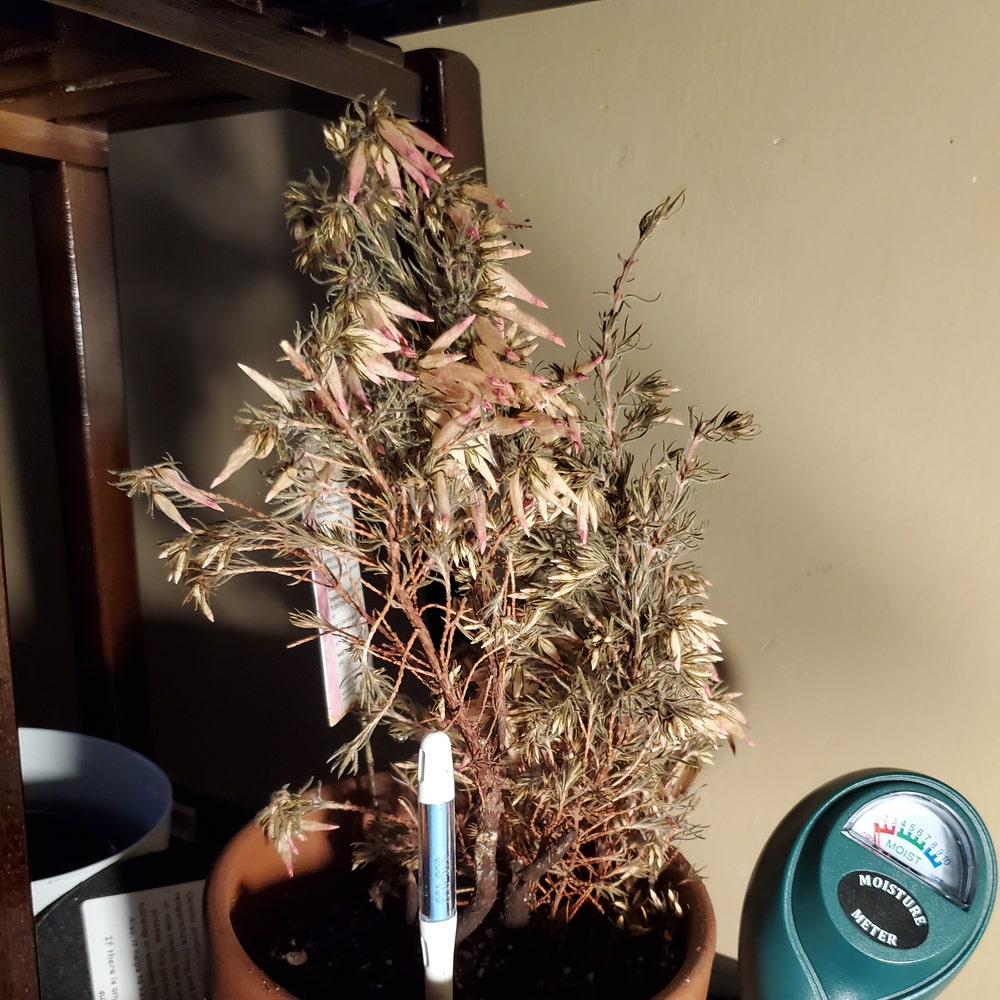
Root rot can be a sneaky problem for your Erica 'Fontana'. Start by looking for wilting leaves, which indicate a lack of turgor pressure even when you've watered adequately.
Next, watch for yellowing foliage. This is a clear sign of stress and potential nutrient deficiencies. If your plant is stunted in growth, it’s another red flag, showing reduced vigor and overall health.
🔍 Checking Roots for Rot
To confirm root rot, you need to inspect the roots directly. First, carefully remove the plant from its pot.
Once out, check the root system for discoloration. Healthy roots should be white or light tan, while brown or black roots signal trouble.
Finally, assess the texture of the roots. Soft, mushy roots are a sign of rot, whereas firm, healthy roots indicate your plant is still in good shape.
🕵️♂️ Distinguishing from Other Issues
It's essential to differentiate root rot from other common issues. Nutrient deficiencies, pests, and environmental stress can mimic root rot symptoms.
Consider the context of your plant's care. Recent changes in watering, light conditions, or temperature can provide clues to the underlying problem. Understanding your plant's history is key to effective diagnosis.
With these signs and checks, you can pinpoint root rot early and take action before it’s too late. Next, let’s explore how to treat this pesky issue effectively.
Treating Root Rot
📝 Step-by-Step Treatment Guide
Treating root rot in your Erica 'Fontana' requires careful attention and a few essential steps. Start by removing the plant from its pot and inspecting the roots for any signs of damage.
Next, trim away any affected roots using sterilized scissors. This helps prevent the spread of rot and encourages healthy growth.
Now, prepare a fresh potting mix that is suitable for Erica 'Fontana'. A well-draining mix is crucial to prevent future issues.
Finally, repot the plant in a clean container with good drainage. This ensures that excess water can escape, reducing the risk of root rot recurrence.
💊 Recommended Treatments
When it comes to treating root rot, effective fungicides can make a significant difference. Look for products specifically designed for root rot treatment, and follow the application instructions closely for the best results.
If you prefer organic alternatives, consider using natural fungicides like neem oil or cinnamon. These can be effective in combating root rot while being gentler on the environment.
Timing is key when applying treatments. Ensure you apply fungicides after repotting to give your plant the best chance of recovery.
By following these steps and recommendations, you can help your Erica 'Fontana' bounce back from root rot and thrive once again. Next, let’s explore how to prevent root rot from occurring in the first place.
Preventing Root Rot
🌊 Best Watering Practices
To prevent root rot in your Erica 'Fontana', it's crucial to establish a proper watering routine. Aim to allow the soil to dry out between waterings, as consistently wet soil can lead to root issues.
You can check soil moisture using simple techniques. The finger test is effective: insert your finger about an inch into the soil. If it feels dry, it’s time to water. Alternatively, a moisture meter can provide a more precise reading.
🪴 Soil Drainage and Pot Selection
The right potting mix is essential for healthy root development. Look for a mix that promotes good drainage, ideally one designed for ericaceous plants, which often includes components like peat and perlite.
Choosing the right container is equally important. Select a pot that is slightly larger than the root ball, made from breathable materials like terracotta, and ensure it has adequate drainage holes to prevent water accumulation.
🍂 Seasonal Care Tips
Adjust your watering practices according to the seasons. In warmer months, your Erica 'Fontana' may require more frequent watering, while in cooler months, you should reduce the frequency.
Keep an eye on environmental conditions, such as temperature and humidity. These factors can significantly affect your plant's water needs. Additionally, ensure there is good air circulation around your plant to help maintain healthy growth and prevent moisture buildup.
By following these preventive measures, you can create a thriving environment for your Erica 'Fontana' and minimize the risk of root rot. Next, we’ll explore how to care for your plant after treatment if root rot does occur.
Post-Treatment Care
Caring After Treatment 🌱
After treating root rot, it's crucial to adjust your watering schedule. Gradually reintroduce moisture to the soil, allowing it to dry out slightly between waterings to prevent further issues.
Fertilization should be approached with caution. Delay any fertilizing until you see clear signs of recovery in your Erica 'Fontana', as the plant needs time to heal before taking on additional nutrients.
Signs of Recovery 👀
Keep an eye out for indicators that your plant is bouncing back. New growth and improved leaf color are excellent signs that your Erica 'Fontana' is regaining its health.
Regular checks for moisture levels and root health are essential during this recovery phase. This vigilance will help ensure that your plant continues on the path to recovery.
Adjusting Care Routines 🔧
Long-term care strategies are vital for maintaining your plant's health. Develop a routine that includes regular inspections and adjustments based on how your Erica 'Fontana' responds to its environment.
Routine inspections will help you catch any potential issues early. By staying proactive, you can ensure your plant thrives and remains vibrant for years to come.
⚠️ Safety First
This content is for general information and may contain errors, omissions, or outdated details. It is not medical, veterinary advice, or an endorsement of therapeutic claims.
Always consult a qualified healthcare professional before using any plant as food, medicine, or supplement.
Never eat any plant (or feed one to pets) without confirming its identity with at least two trusted sources.
If you suspect poisoning, call Poison Control (800) 222-1222, the Pet Poison Helpline (800) 213-6680, or your local emergency service immediately.
Spotted an error? Please report it here.
Revive your Erica 'Fontana' from root rot and keep it thriving 🌱 by using Greg's custom watering reminders and expert care tips to prevent future issues!