
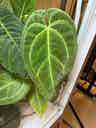
Burman Tristaniopsis
Taxonomy

Tristaniopsis burmanica var. burmanica
Tristaniopsis
Myrtaceae
Myrtales

How to care for Burman Tristaniopsis
How often to water your Burman Tristaniopsis

every 9
Burman Tristaniopsis needs 0.5 cups of water every 9 when it doesn’t get direct sunlight and is potted in a 5" pot.
Use our water calculator to personalize watering recommendations to your environment or download Greg for more advanced recommendations for all of your plants.
Water 0.5 cups every
9
Finding light for Burman Tristaniopsis in your home

a window
Burman Tristaniopsis may have difficulty thriving, and will drop leaves 🍃, without ample sunlight.
Place it less than 3 feet from a south-facing window to maximize the potential for growth.
Select your region to see how the current weather in your area affects the placement of Burman Tristaniopsis in your home 🏡.
How to fertilize Burman Tristaniopsis

Most potting soils come with ample nutrients which plants use to produce new growth.
By the time your plant has depleted the nutrients in its soil it’s likely grown enough to need a larger pot anyway.
To replenish this plant's nutrients, repot your Burman Tristaniopsis after it doubles in size or once a year—whichever comes first.
Care Summary for Burman Tristaniopsis
Burman Tristaniopsis
 Greg recommends:
 Water
Water
0.5 cups every 9 days
 Placement
< 3ft from a window
 Nutrients
Repot after 2x growth
Based on the 4” pot your plant is in, and that it doesn’t get direct sunlight.
 Trending in your area





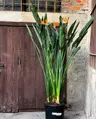


 Similar to Burman Tristaniopsis

✨ Discover rare plants

Echeveria Arrow

Parrot Pitcher Plant
Chinese Evergreen 'Ga…
White Apple Moth Orch…

Aloe 'Lavender Star'

Stomatium acutifolium
Graptopetalum 'Marqui…

Kilimanjaro Plant

Maroon Pitcher Plant

Betel

Crassula 'Purple Drag…

Tillandsia caerulea A…

Miss All-American Bea…

Kudu Lily
Ace of Spades

Royal Flush Split Rock

Tuber Fleeceflower
